Brake Pedal Pulsation After a Brake Job: Rotor Runout, Hub Rust and Caliper Checks
Brake pedal pulsation is a common issue that many vehicle owners experience after a brake job. Though it may seem like a minor inconvenience, it is often indicative of underlying problems that need to be addressed to ensure safety and optimal vehicle performance. This article delves into the primary causes of brake pedal pulsation, including rotor runout, hub rust, and caliper issues, offering insights into each component’s role in the braking system’s functionality.
Understanding Rotor Runout
Rotor runout is a frequent culprit behind brake pedal pulsation and can significantly impact the smoothness of your braking experience. It refers to the variation in the thickness and alignment of the brake rotor, which can occur due to improper installation, uneven wear, or defects in the rotor itself. When a rotor exhibits runout, it can lead to uneven contact with the brake pads, resulting in a pulsating sensation through the brake pedal. Addressing rotor runout requires precise measurement and adjustment, often necessitating the expertise of a professional mechanic to ensure the rotor is true and balanced. In severe cases, replacing the rotor may be the only viable solution to restore proper braking function.
The Role of Hub Rust
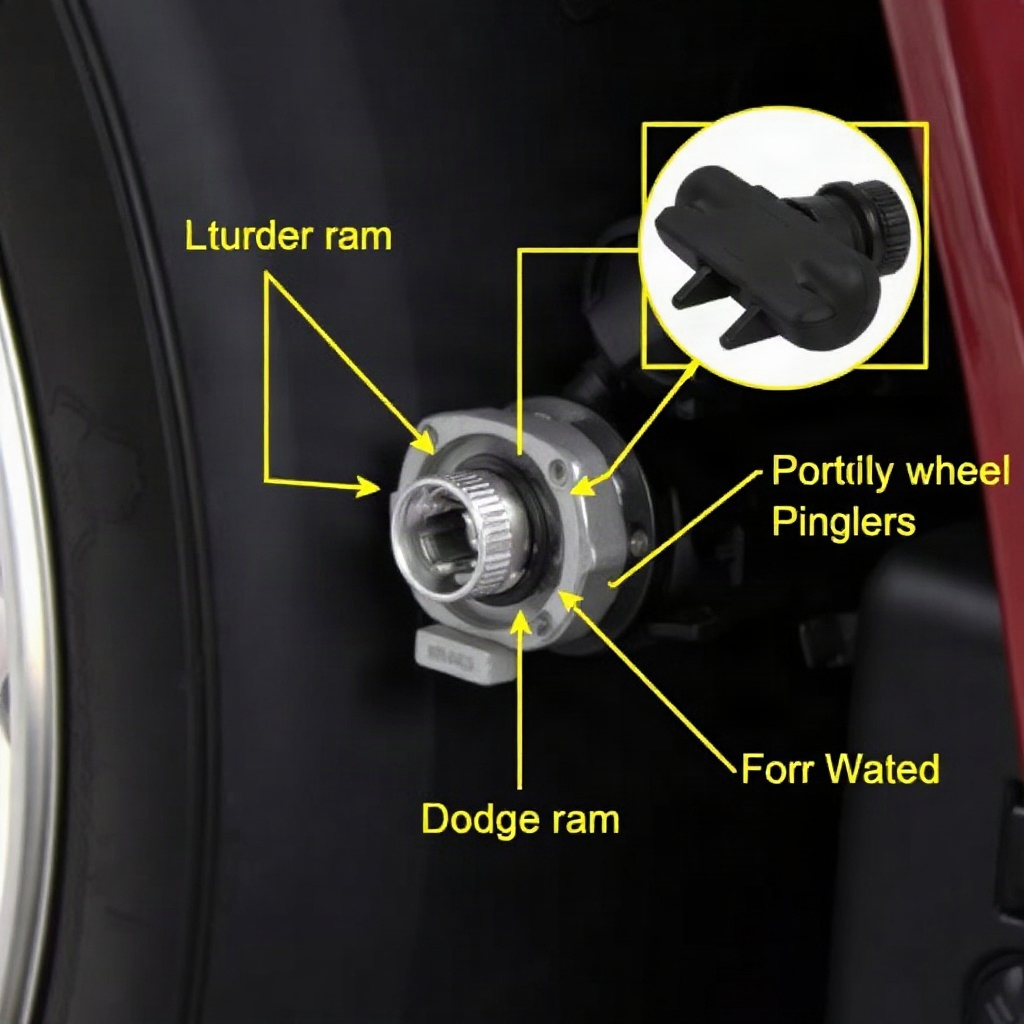
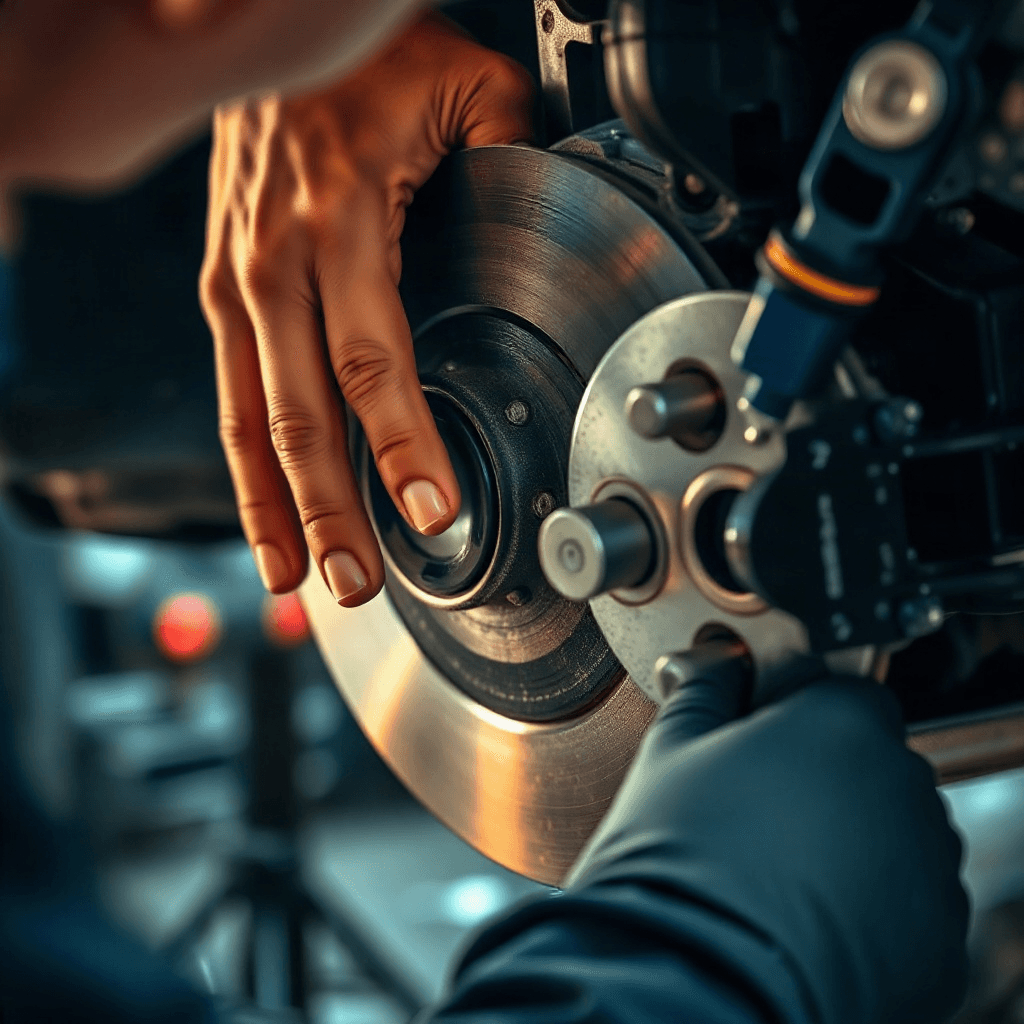
Rust accumulation on the wheel hub can be another significant factor contributing to brake pedal pulsation following a brake job. The hub serves as the mounting surface for the brake rotor, and any rust or debris can create an uneven surface, leading to improper rotor seating. This misalignment exacerbates rotor runout, further intensifying the pulsation effect. To prevent this issue, it is crucial to thoroughly clean and inspect the hub during brake service, removing any rust or contaminants that may interfere with the rotor’s proper installation. Regular maintenance and timely attention to rust issues can help prolong the life of brake components and ensure a smoother driving experience.
Importance of Caliper Checks
Calipers play a critical role in the braking system by applying pressure to the brake pads, which in turn contact the rotors to slow down the vehicle. If the calipers are malfunctioning or improperly aligned, they can cause uneven pad wear and contribute to brake pedal pulsation. It is essential to inspect calipers for any signs of wear, damage, or misalignment during a brake job. Ensuring the calipers are functioning correctly and are appropriately aligned will help maintain consistent pressure on the brake pads, promoting even wear and reducing the likelihood of pulsation issues. Regular inspection and maintenance of calipers can prevent more severe braking problems and enhance overall vehicle safety.
Preventing Brake Pedal Pulsation
Preventing brake pedal pulsation starts with understanding the intricate interplay between rotors, hubs, and calipers. Regular vehicle inspections and maintenance are paramount in identifying and addressing potential issues before they lead to more significant problems. During brake jobs, mechanics should meticulously clean and inspect all components, ensuring proper alignment and function. Additionally, vehicle owners should be vigilant for signs of pulsation and seek professional assistance promptly to diagnose and resolve any underlying issues. By taking these proactive measures, drivers can enjoy a smoother, safer ride and extend the lifespan of their braking system.
Diagnosing and Resolving Issues
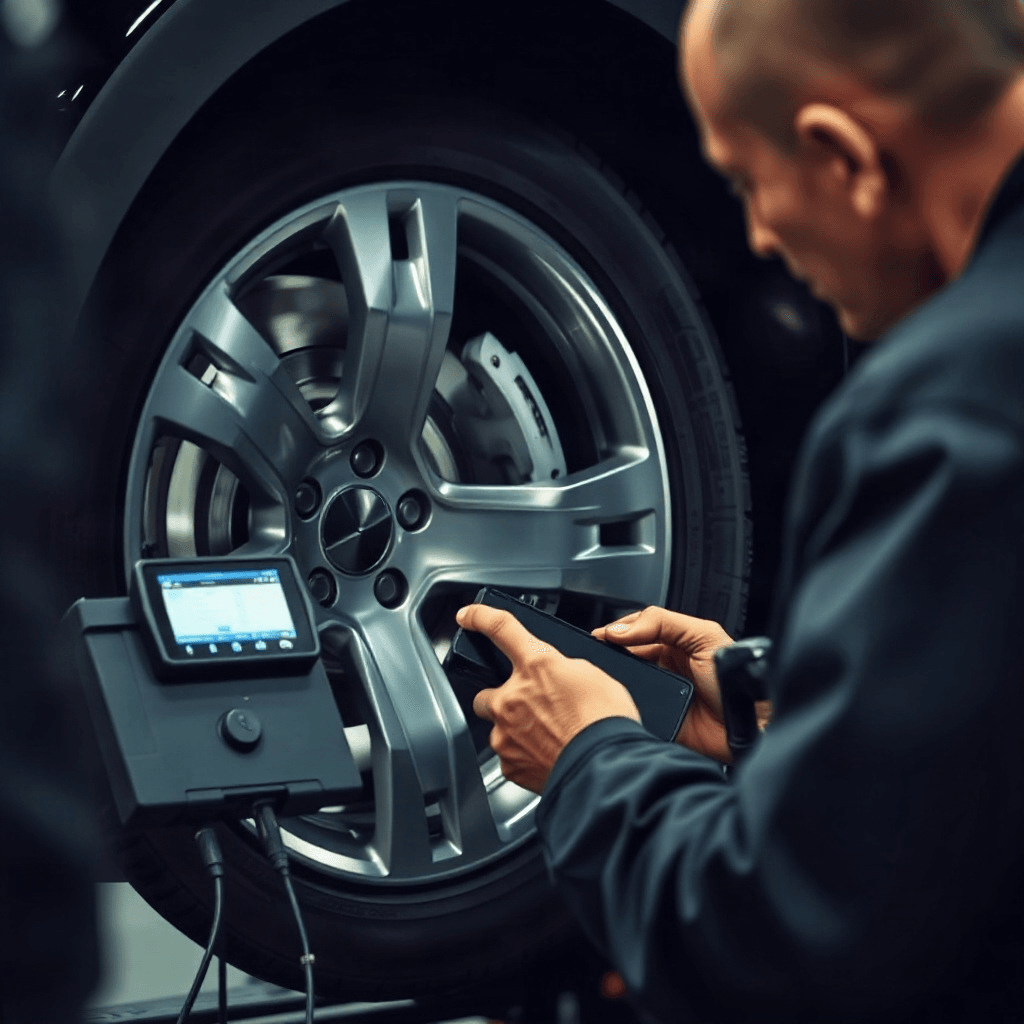
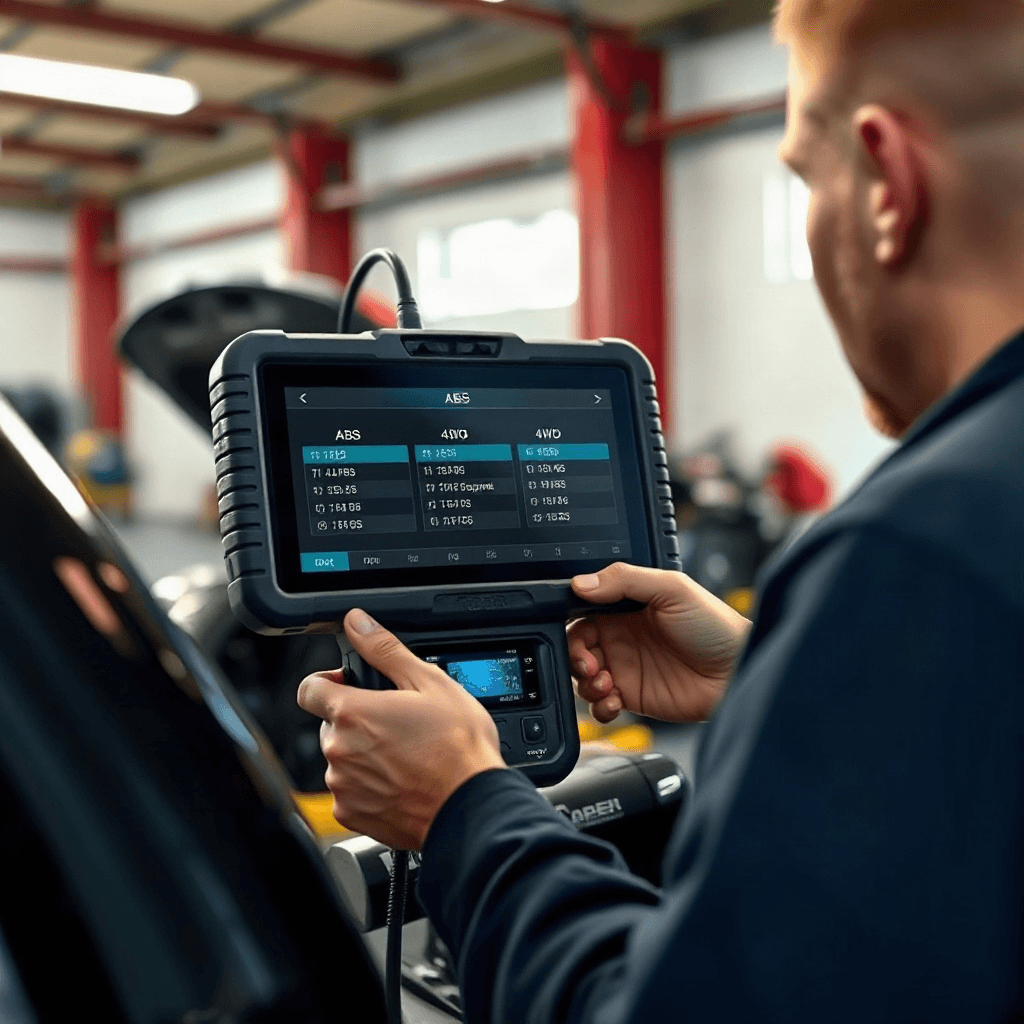
Diagnosing the root cause of brake pedal pulsation can be challenging, given the complexity of the braking system and the interplay of various components. A comprehensive inspection by a qualified mechanic is often necessary to accurately identify the source of the issue. This process typically involves measuring rotor runout, checking for hub rust, and examining the condition and alignment of calipers. Once the underlying cause is established, targeted repairs or replacements can be undertaken to resolve the pulsation problem. Whether it’s machining the rotors, cleaning the hub surface, or replacing faulty calipers, addressing the issue promptly ensures the vehicle remains safe and reliable.
The Importance of Professional Expertise
While some aspects of brake maintenance can be performed by knowledgeable vehicle owners, addressing brake pedal pulsation often requires professional expertise. Mechanics have the tools and experience necessary to accurately diagnose and resolve complex issues within the braking system. Attempting to repair these problems without proper knowledge can lead to further complications and even compromise vehicle safety. Therefore, it is advisable to entrust brake-related concerns to professionals who can ensure the job is done correctly and safely. By doing so, drivers can have peace of mind knowing their vehicle’s braking system is in optimal condition.