Subaru Powertrain DTCs: Distinguishing a Wiring Fault From a Failed Sensor

Subaru vehicles are renowned for their reliability and performance, but like any complex machine, they occasionally experience issues that can be perplexing for even seasoned mechanics. One such challenge is diagnosing powertrain Diagnostic Trouble Codes (DTCs) to determine if a problem stems from a wiring fault or a failed sensor. Understanding the nuances of these issues is crucial for accurate diagnosis and repair, ensuring that your Subaru remains in optimal condition. This article delves into the intricacies of powertrain DTCs, offering insights into distinguishing between wiring faults and sensor failures, backed by expert knowledge and practical tips.
Understanding Subaru Powertrain DTCs
Powertrain DTCs are essential in identifying and diagnosing issues within a vehicle’s engine, transmission, and related components. For Subaru owners and technicians, comprehending these codes is the first step in resolving any underlying issues. Each code corresponds to a specific malfunction, providing a roadmap for diagnosis. However, interpreting these codes requires more than just reading numbers from a scanner; it involves understanding the context and the symptoms being exhibited by the vehicle. By analyzing the behavior of a Subaru when a DTC is present, mechanics can begin to discern whether the issue is due to a wiring fault or a sensor failure.
The Role of Sensors in Subaru Vehicles
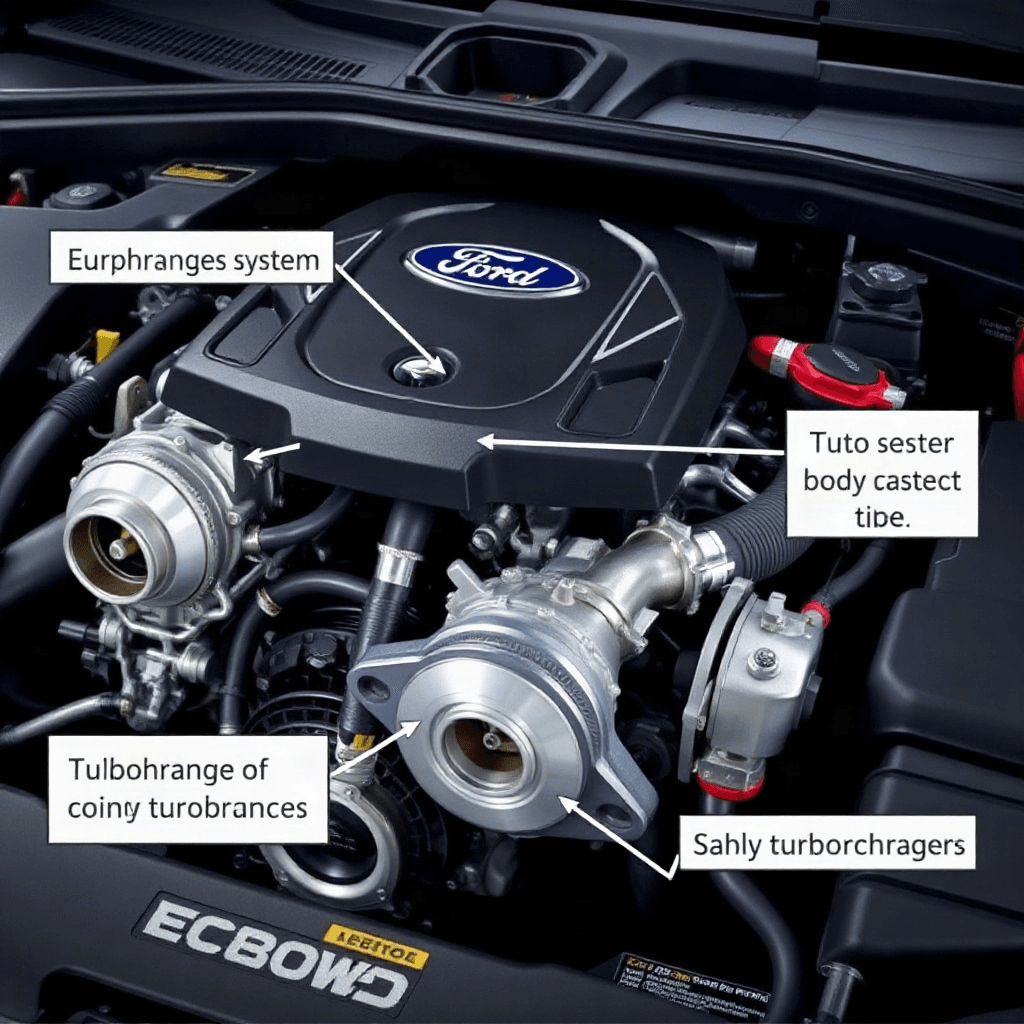
Sensors play a pivotal role in the functioning of modern vehicles, including Subarus. They provide real-time data to the vehicle’s onboard computer, ensuring that the engine operates efficiently and safely. In Subarus, common sensors include oxygen sensors, mass airflow sensors, and crankshaft position sensors, among others. Each sensor has a specific function, and a failure can lead to a range of issues, from reduced fuel efficiency to complete engine failure. Understanding the function and importance of each sensor is critical for diagnosing whether a DTC is indicating a sensor failure or another underlying issue.
Identifying Wiring Faults in Subarus
Wiring faults can be particularly challenging to diagnose as they often present symptoms similar to sensor failures. A wiring fault can disrupt the flow of information between sensors and the vehicle’s computer, leading to incorrect readings and triggering DTCs. Common causes of wiring faults include corrosion, physical damage, and poor connections. To distinguish between a wiring fault and a failed sensor, technicians must thoroughly inspect the wiring harnesses and connections associated with the sensor in question. Using diagnostic tools to check for continuity and resistance can help pinpoint the source of the issue.
Diagnostic Tools and Techniques for Accurate Identification
The use of advanced diagnostic tools is indispensable for accurately identifying the cause of powertrain DTCs in Subarus. These tools can read and interpret the codes, but a skilled technician’s expertise is needed to diagnose the root cause accurately. Techniques such as voltage drop testing, oscilloscope analysis, and using a multimeter to measure current flow can provide valuable insights into whether a wiring fault or sensor failure is present. By systematically eliminating potential causes, technicians can ensure a precise diagnosis, leading to effective repairs and the prevention of future issues.
Preventive Measures to Avoid Future Issues
Preventive maintenance is key to minimizing the occurrence of powertrain DTCs in Subaru vehicles. Regular inspections, timely replacements of worn-out components, and ensuring that wiring connections are secure can prevent many issues before they arise. Additionally, using high-quality parts and fluids can extend the life of sensors and other critical components. Educating Subaru owners on the importance of regular maintenance can also play a significant role in early detection and prevention of both wiring faults and sensor failures.
Conclusion and Expert Recommendations
In conclusion, distinguishing between wiring faults and sensor failures in Subaru powertrain systems is a complex task that requires a blend of expertise, experience, and the right tools. By understanding the role of sensors, identifying potential wiring issues, and using advanced diagnostic techniques, technicians can accurately diagnose and repair these issues. For Subaru owners, following recommended maintenance schedules and staying informed about potential issues can help keep their vehicles running smoothly. For more information on maintaining your Subaru, visit [our comprehensive guide on Subaru maintenance].