Car Goes Into Limp Mode While Driving: Immediate Steps and Diagnosis
Experiencing your car going into limp mode while driving can be an unsettling experience, especially if you’re not familiar with the reasons behind it or the steps you should take immediately. Limp mode is a safety feature designed to protect your vehicle from further damage when the engine detects a fault. Understanding the immediate actions to take and how to diagnose the issue can save you time, money, and stress. In this article, we’ll delve into the intricacies of limp mode, providing you with expert insights and guidance.
Understanding Limp Mode and Its Purpose
When your car enters limp mode, it’s essentially a self-preservation mechanism. The vehicle’s onboard computer, often referred to as the Engine Control Unit (ECU), detects an issue that could potentially harm the engine or transmission. As a result, the ECU limits the car’s performance to prevent further damage. This typically means reduced power, limited speed, and potentially the disabling of certain non-essential systems. By understanding the purpose of limp mode, you can better appreciate its role in vehicle maintenance and safety. It’s crucial to acknowledge that while inconvenient, this mode is engineered to prevent more serious and costly repairs.
Immediate Steps to Take When Limp Mode Activates
The moment you realize your car is in limp mode, it’s important to remain calm and take specific steps to address the situation. First, pull over safely to the side of the road or a nearby parking lot. Once you’re safely parked, turn off the engine and allow it to rest for a few minutes. Sometimes, a simple restart can resolve minor electronic glitches causing limp mode. If the issue persists after restarting, consult your vehicle’s manual for any specific guidance related to your car model. Avoid driving long distances, as this could exacerbate the underlying problem. Instead, aim to drive to the nearest mechanic or your home if it’s a short distance away.
Common Causes of Limp Mode Activation
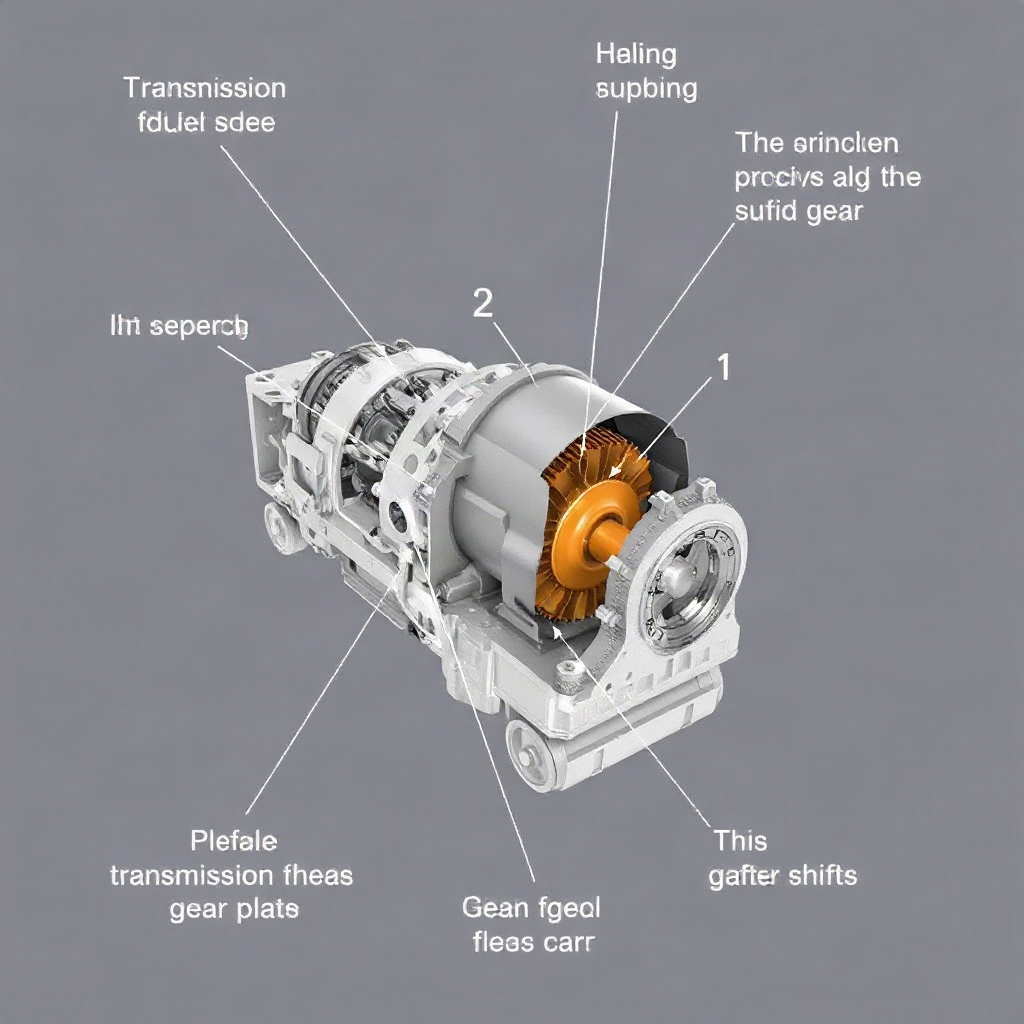
Various factors can trigger limp mode, and understanding these can aid in diagnosing the problem. One prevalent cause is issues with the transmission system, such as low fluid levels or component failures. Another common culprit is sensor malfunctions, particularly those related to the engine’s airflow or temperature. Electrical problems, including wiring issues or a failing alternator, can also lead to limp mode. Additionally, problems with the turbocharger or exhaust system, such as a clogged catalytic converter, might trigger this protective mode. Identifying these potential causes early can facilitate timely repairs and prevent future occurrences.
Diagnosing the Problem Tools and Techniques
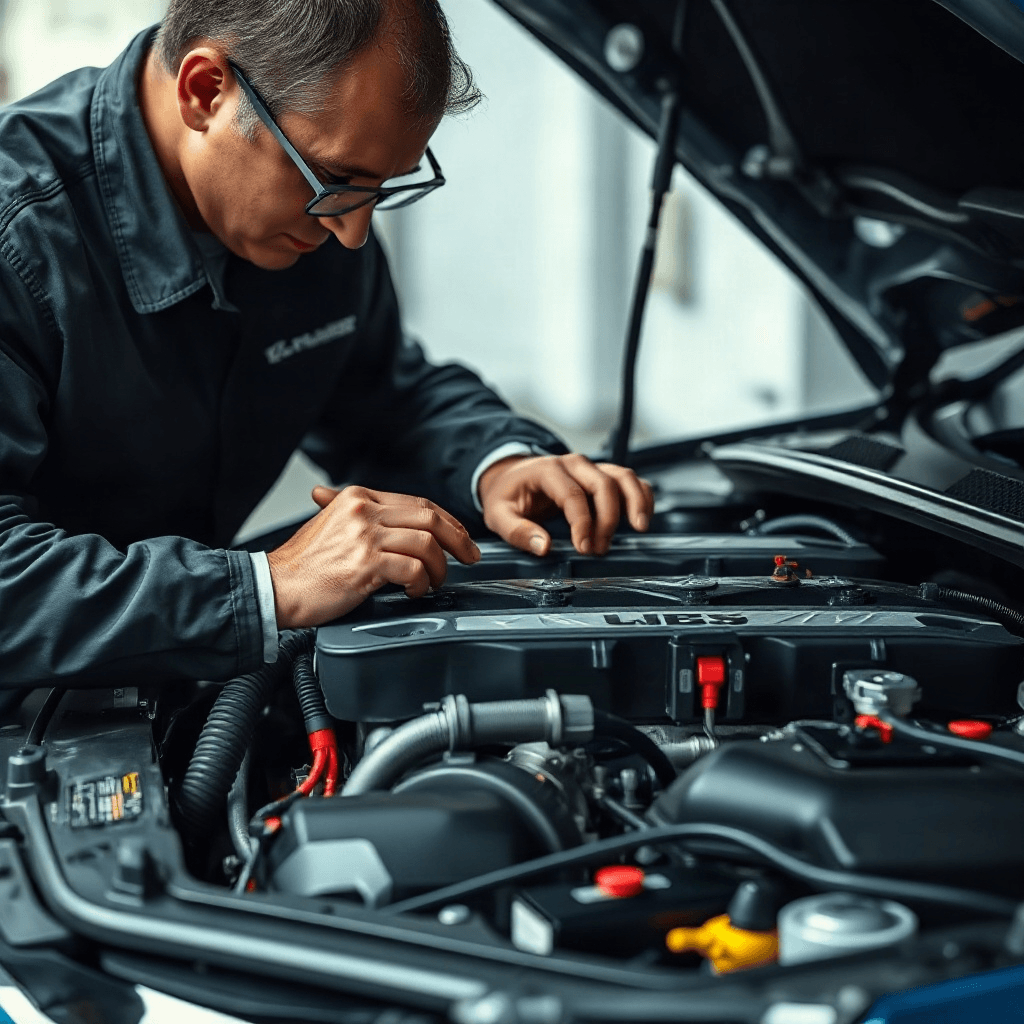
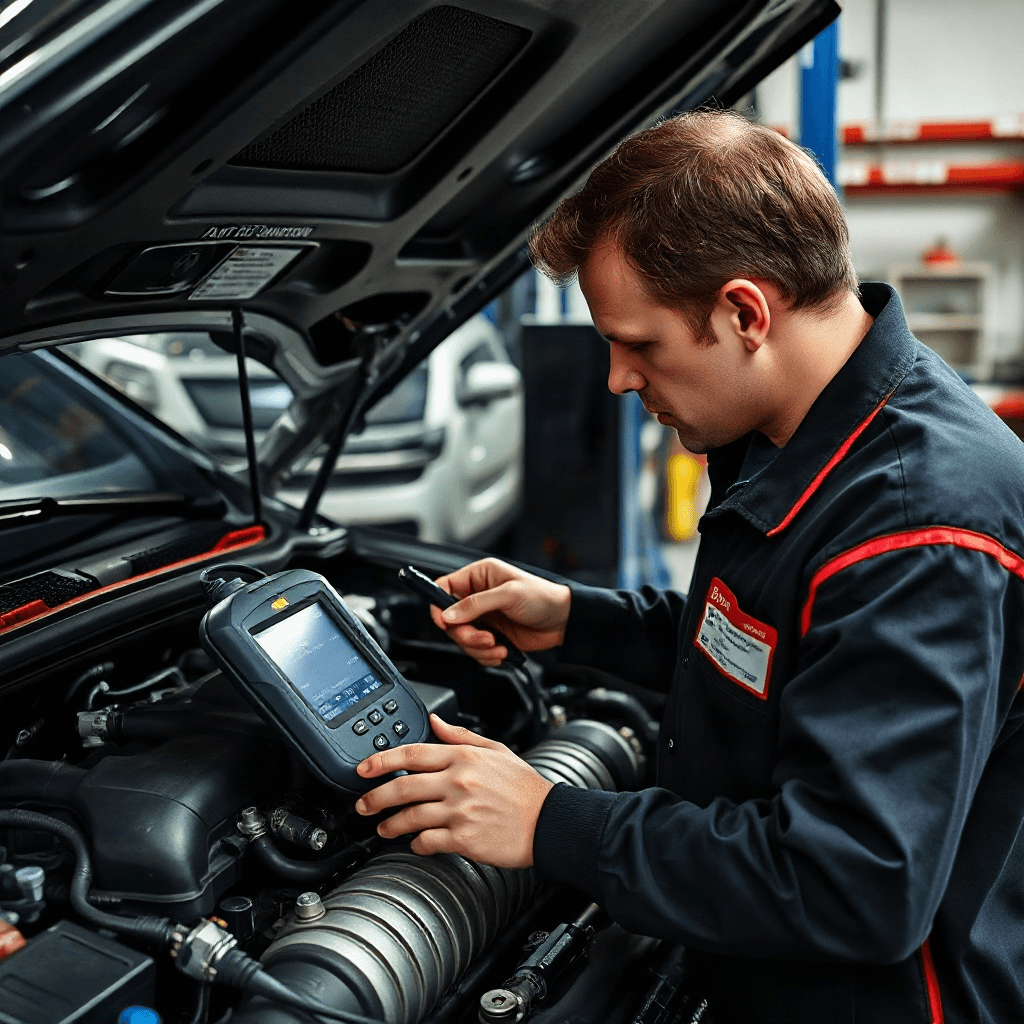
Diagnosing the root cause of limp mode requires a methodical approach and, often, specialized tools. A diagnostic scan tool is invaluable in this process, as it communicates with the car’s ECU and retrieves fault codes indicative of the problem. These codes can point you in the right direction, whether it’s a faulty sensor or a more complex engine issue. Additionally, performing a visual inspection of the vehicle’s components, such as the transmission fluid level and condition, can provide further clues. It’s also beneficial to listen for unusual noises or vibrations that might signal mechanical problems. Consulting with a professional mechanic is advisable if you’re not confident in conducting these checks yourself.
Repairing and Preventing Limp Mode Issues
Once you’ve identified the cause of limp mode, the next step is undertaking the necessary repairs. If the issue is minor, such as a loose connector or faulty sensor, a quick fix might suffice. However, more serious problems, like transmission or engine failures, could require extensive repairs or replacements. Regular maintenance is key to preventing future limp mode instances. This includes routine checks of fluid levels, timely oil changes, and addressing any dashboard warning lights promptly. By maintaining your vehicle proactively, you can mitigate the risk of encountering limp mode unexpectedly.
When to Seek Professional Help
While some drivers may possess the skills to address certain car issues, recognizing when to seek professional help is crucial. If you lack the necessary tools or expertise to diagnose or repair the problem, it’s advisable to consult a certified mechanic. Additionally, if the car remains in limp mode despite attempted fixes, professional intervention is necessary. A mechanic can perform comprehensive diagnostics and repairs, ensuring your vehicle is safe and roadworthy. Remember, addressing limp mode promptly not only protects your car but also ensures your safety and the safety of other road users.