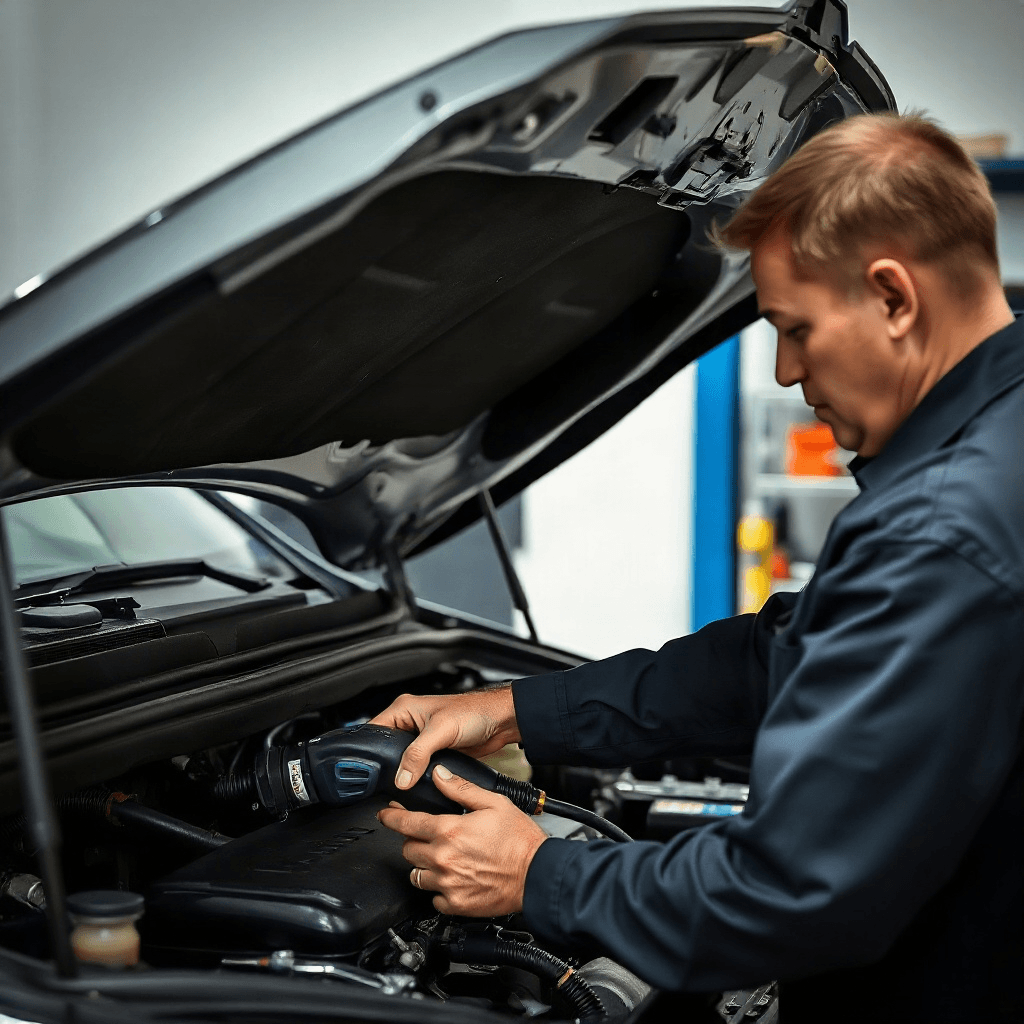
Engine Stumbles When Pressing the Gas Pedal: First Tests to Perform
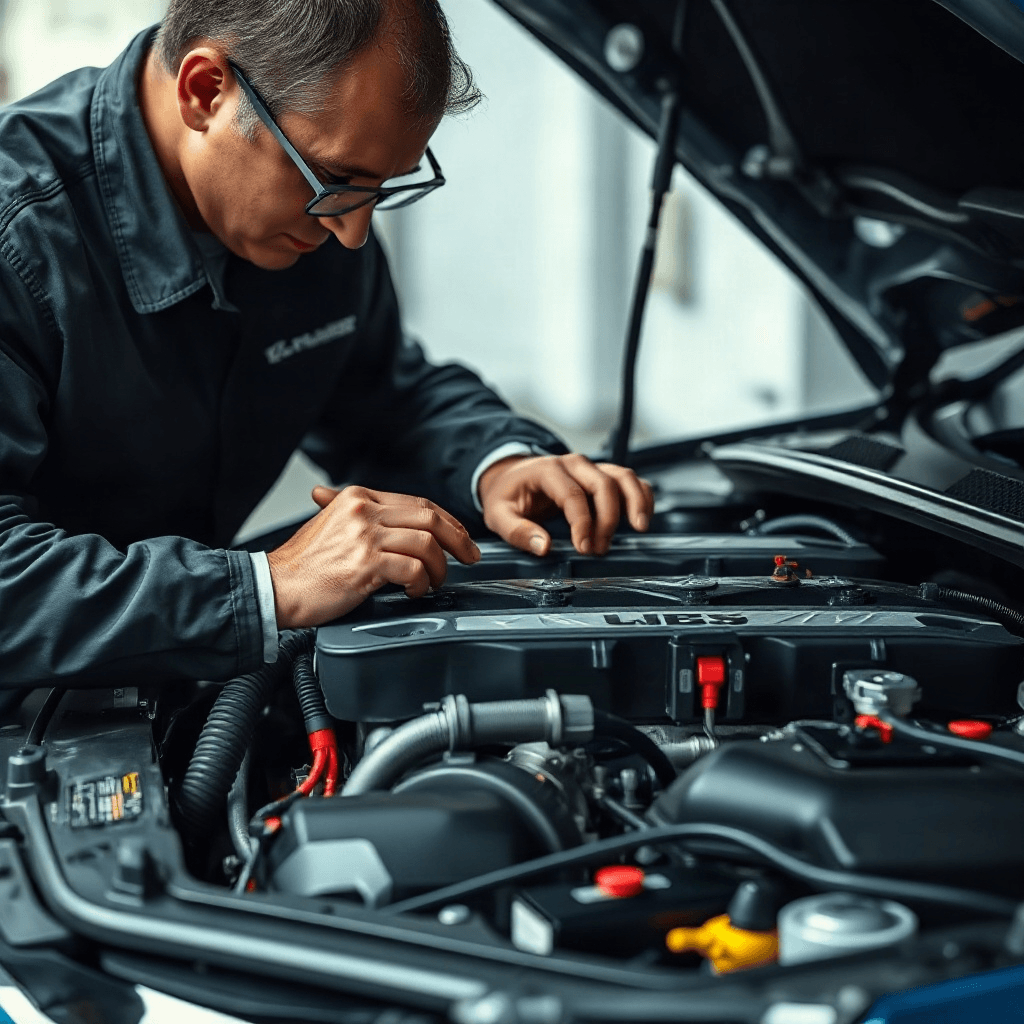
When you press the gas pedal and the engine stumbles, it’s not just an annoying interruption to your drive; it’s an issue that could indicate deeper mechanical problems. As a seasoned professional in automotive journalism, I’ve witnessed how even minor engine performance hiccups can escalate if not addressed promptly. The first sign of trouble often manifests as a hesitation or stumbling when accelerating, which might be symptomatic of various underlying causes. In this article, I aim to guide you through the initial tests that can help diagnose and possibly resolve these issues, ensuring that your vehicle remains in optimal condition. Understanding the nuances of engine performance is crucial, and I will delve into the potential reasons and troubleshooting steps that can aid in identifying the root cause of the problem.
Understanding Engine Performance Issues
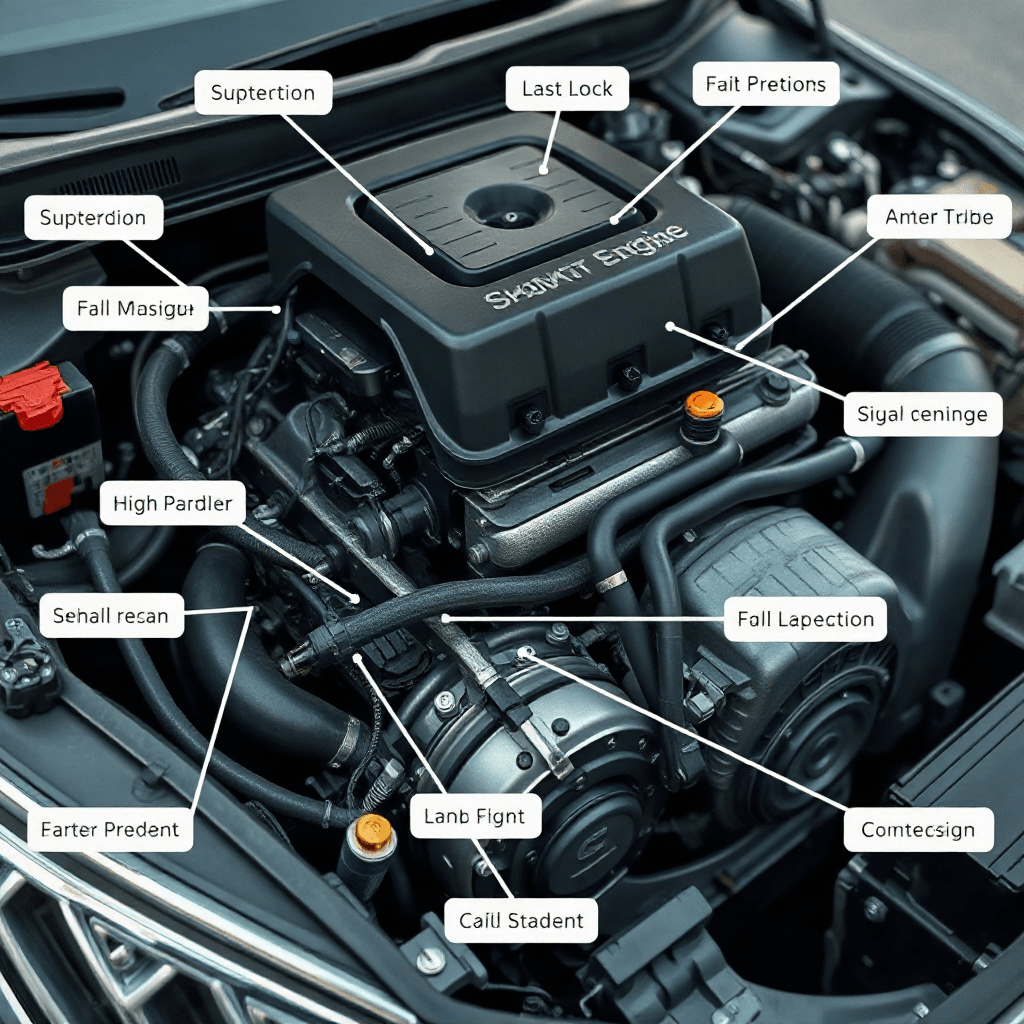
Engine stumbling during acceleration can be attributed to a variety of factors, ranging from fuel system malfunctions to ignition issues. One of the primary areas to inspect is the air-fuel mixture, as an imbalance can lead to improper combustion. This imbalance might result from clogged fuel injectors, a malfunctioning mass airflow sensor, or even a faulty oxygen sensor. Each of these components plays a vital role in maintaining the correct air-to-fuel ratio, ensuring the engine runs smoothly. In addition, ignition system problems, such as worn-out spark plugs or faulty ignition coils, can cause the engine to misfire, leading to a stumble. A comprehensive understanding of these elements is essential for effective troubleshooting and resolution of acceleration issues.
Investigating the Fuel System
The fuel system is a critical area to examine when dealing with engine stumble during acceleration. Fuel delivery issues, such as a clogged fuel filter or failing fuel pump, can restrict the flow of fuel to the engine, causing it to hesitate or stumble. Begin by checking the fuel pressure with a gauge to ensure it meets the manufacturer’s specifications. A drop in fuel pressure might suggest a clogged filter or a failing pump. Additionally, inspect the fuel injectors for any signs of dirt or debris, which can impede their function and disrupt the smooth delivery of fuel. Regular maintenance and timely replacement of these components are vital for preventing performance issues related to the fuel system.
Examining the Ignition System
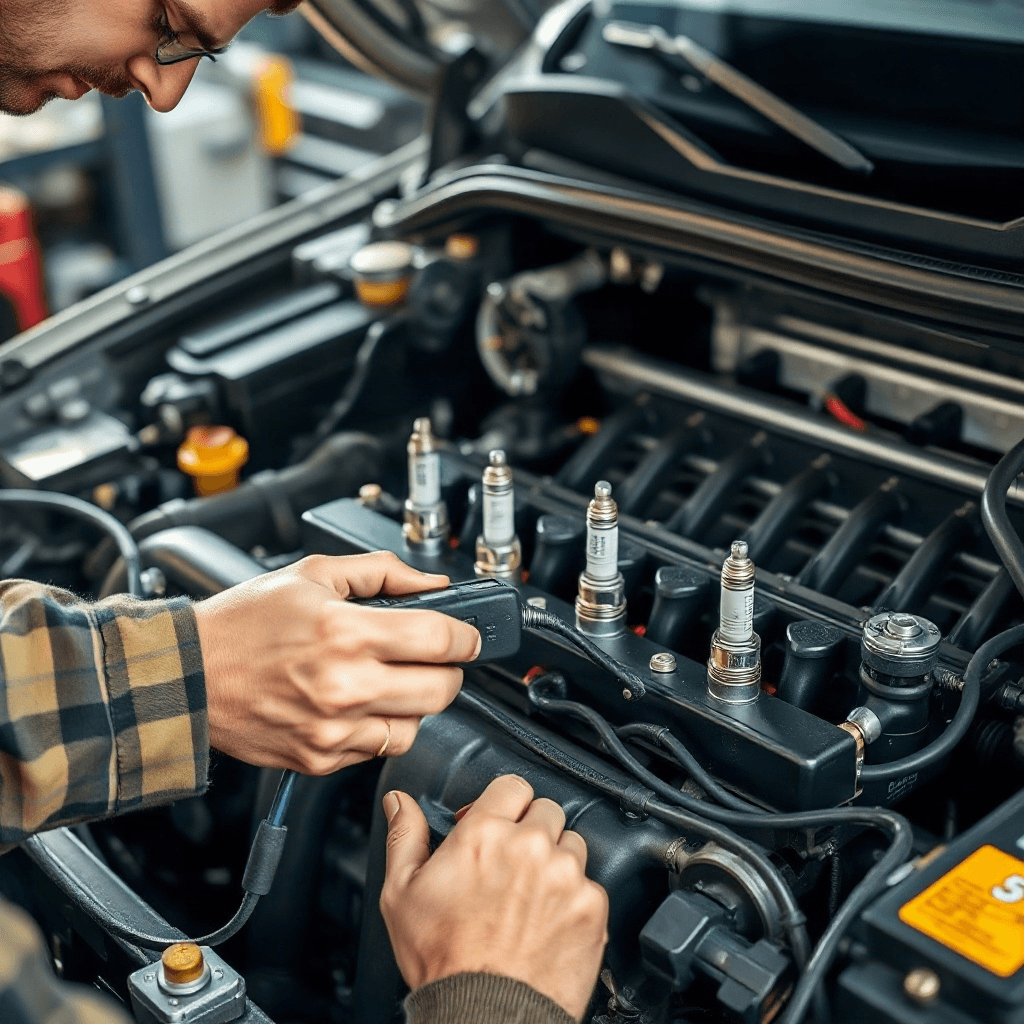
The ignition system is another crucial area to investigate when addressing engine performance problems. Spark plugs, ignition coils, and related wiring are integral to initiating the combustion process. Over time, spark plugs can become fouled or worn, leading to weak or inconsistent sparking, which can cause the engine to stumble. Similarly, ignition coils that are beginning to fail may not provide sufficient voltage to the spark plugs, resulting in misfires. Inspect these components for signs of wear or damage, and replace them as necessary. Ensuring the ignition system is in good working order is essential for maintaining engine efficiency and preventing acceleration-related issues.
Air Intake and Exhaust System Checks
A well-functioning air intake and exhaust system are essential for optimal engine performance. Any restrictions or leaks in these systems can lead to engine stumbling. Begin by inspecting the air filter for clogs or dirt, as a clean air filter is crucial for allowing the engine to breathe properly. Additionally, check for any vacuum leaks that might disrupt the air intake process. The exhaust system should also be examined for blockages or damage, which can impede the flow of exhaust gases and affect engine performance. Addressing these issues can significantly improve acceleration and overall engine operation.
Diagnosing Sensor-Related Problems
Modern vehicles rely heavily on sensors to monitor and adjust various engine parameters. Malfunctioning sensors, such as the mass airflow sensor or throttle position sensor, can provide incorrect data to the engine control unit, leading to performance issues. Use a diagnostic tool to read any trouble codes stored in the vehicle’s computer system, as these can offer valuable insights into which sensors might be malfunctioning. Cleaning or replacing faulty sensors can often resolve engine stumbling problems, restoring the vehicle’s performance to its optimal state.
Scheduling Professional Diagnostics
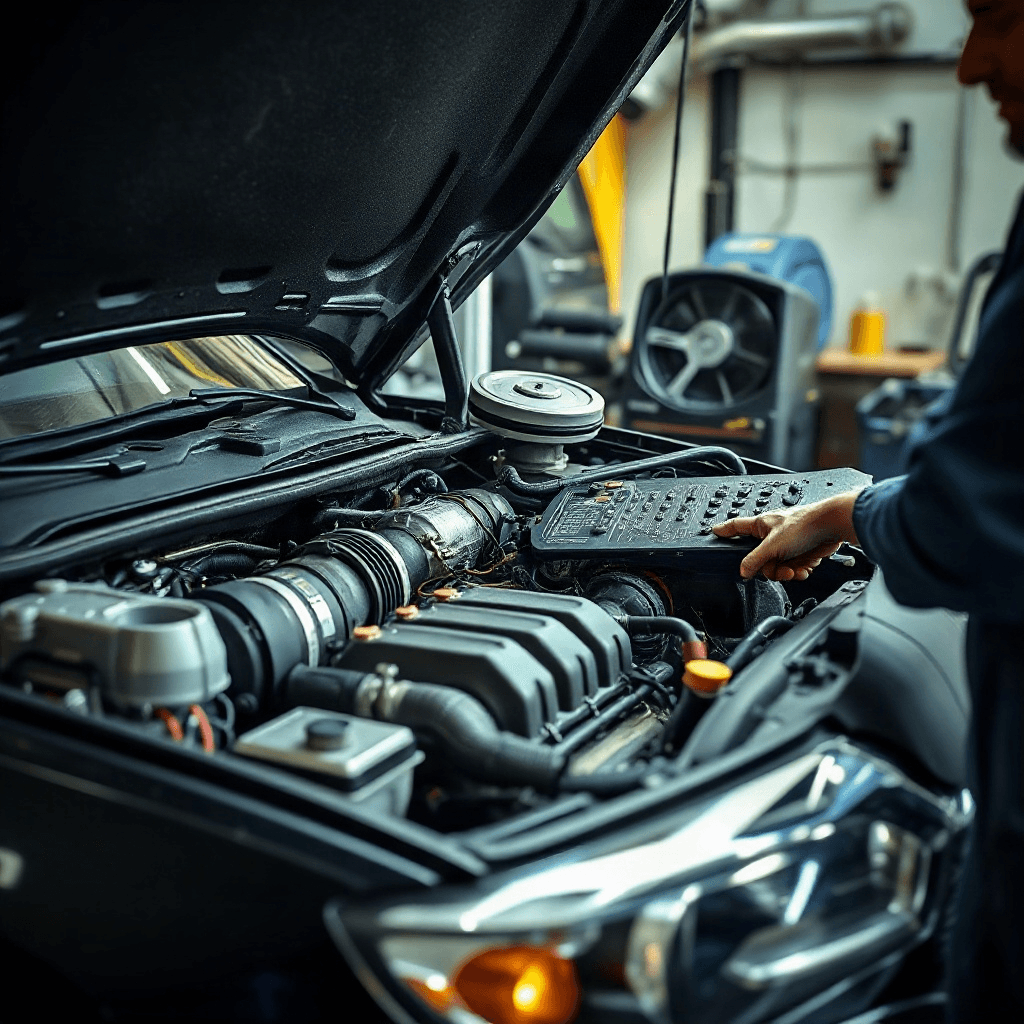
While initial testing can help identify some common issues, there are instances where professional diagnostics are necessary. Complex problems, such as those involving the engine control unit or intricate internal engine components, may require specialized equipment and expertise. If the engine continues to stumble despite performing the initial tests, it is advisable to consult with a professional mechanic who can conduct a thorough diagnostic assessment. This approach ensures that any underlying problems are accurately identified and addressed, preventing further damage and maintaining vehicle reliability.