Fuel Smell After Parking: How to Check for Leaks and EVAP Problems
The distinctive smell of fuel emanating from your vehicle after parking can be both puzzling and alarming. This olfactory clue often indicates underlying issues that require immediate attention. When it comes to vehicles, the scent of fuel often points to potential leaks or problems within the EVAP system. Understanding these signs and knowing how to address them can save you from costly repairs and potential hazards down the road.
Detecting Fuel Leaks and Their Common Sources
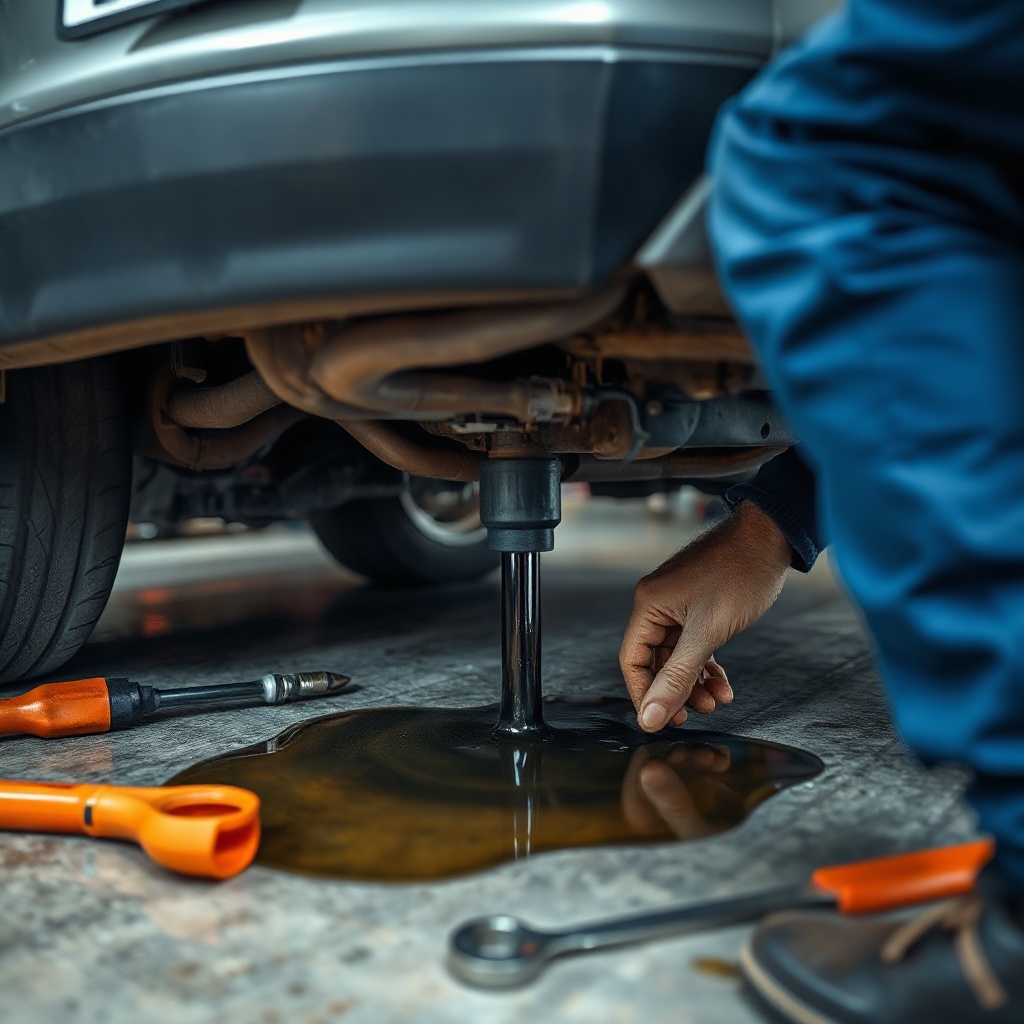
When the scent of fuel lingers around your vehicle, identifying the source of a potential leak is critical. Fuel leaks can originate from several areas, including the fuel tank, fuel lines, and the fuel injector. Over time, wear and tear or corrosive elements can damage these components, leading to leaks. Checking for visible signs such as fuel stains on the ground or an unusually low fuel gauge reading can help diagnose the issue. Additionally, it’s important to inspect the fuel cap, as a loose or damaged cap can cause fuel vapors to escape, resulting in the notorious fuel smell.
Understanding the Role of the EVAP System
The Evaporative Emission Control (EVAP) system plays a pivotal role in containing fuel vapors that escape from the fuel system. This system prevents these vapors from reaching the atmosphere, thereby reducing pollution. A malfunction in the EVAP system can lead to a noticeable fuel odor and even trigger the check engine light. Common issues include a faulty purge valve, a damaged charcoal canister, or leaks in the EVAP lines. Understanding the function of each component within the EVAP system can aid in diagnosing the problem effectively.
Diagnosing EVAP System Issues
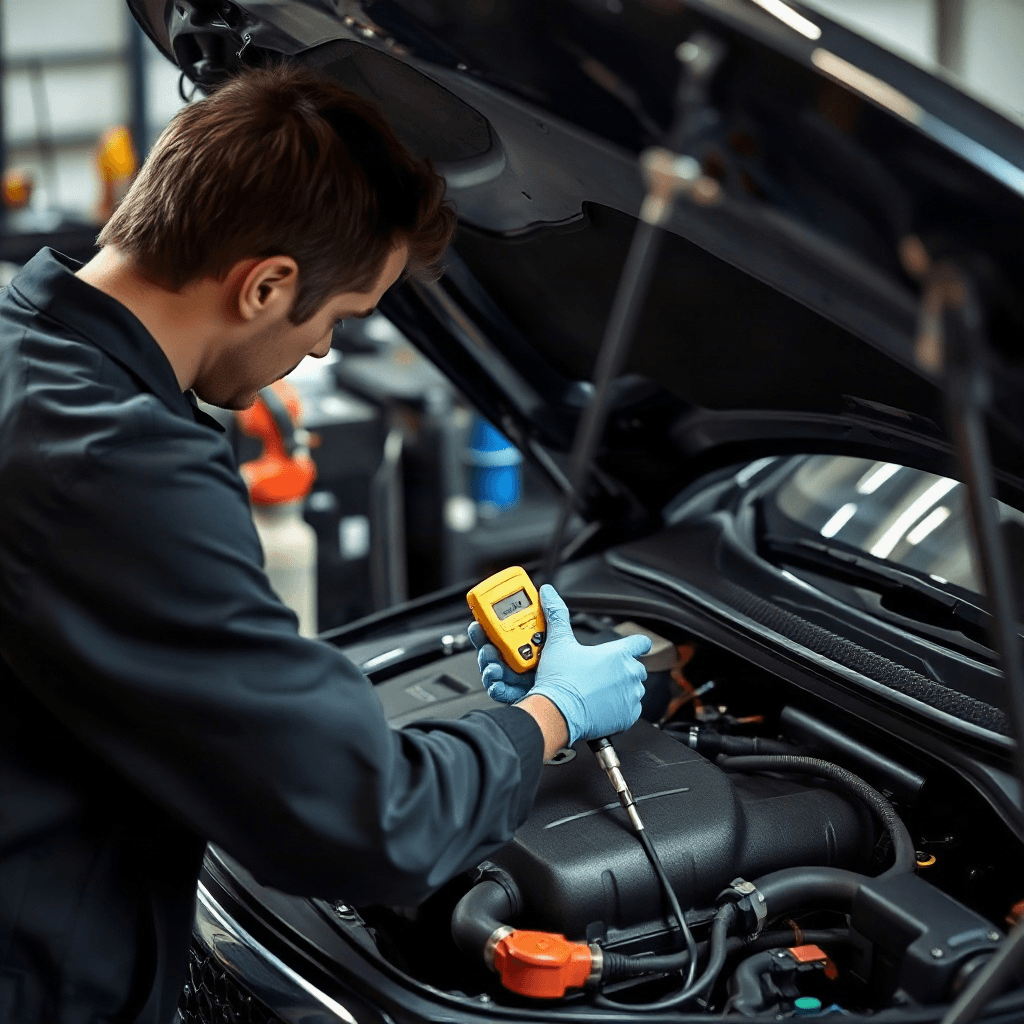
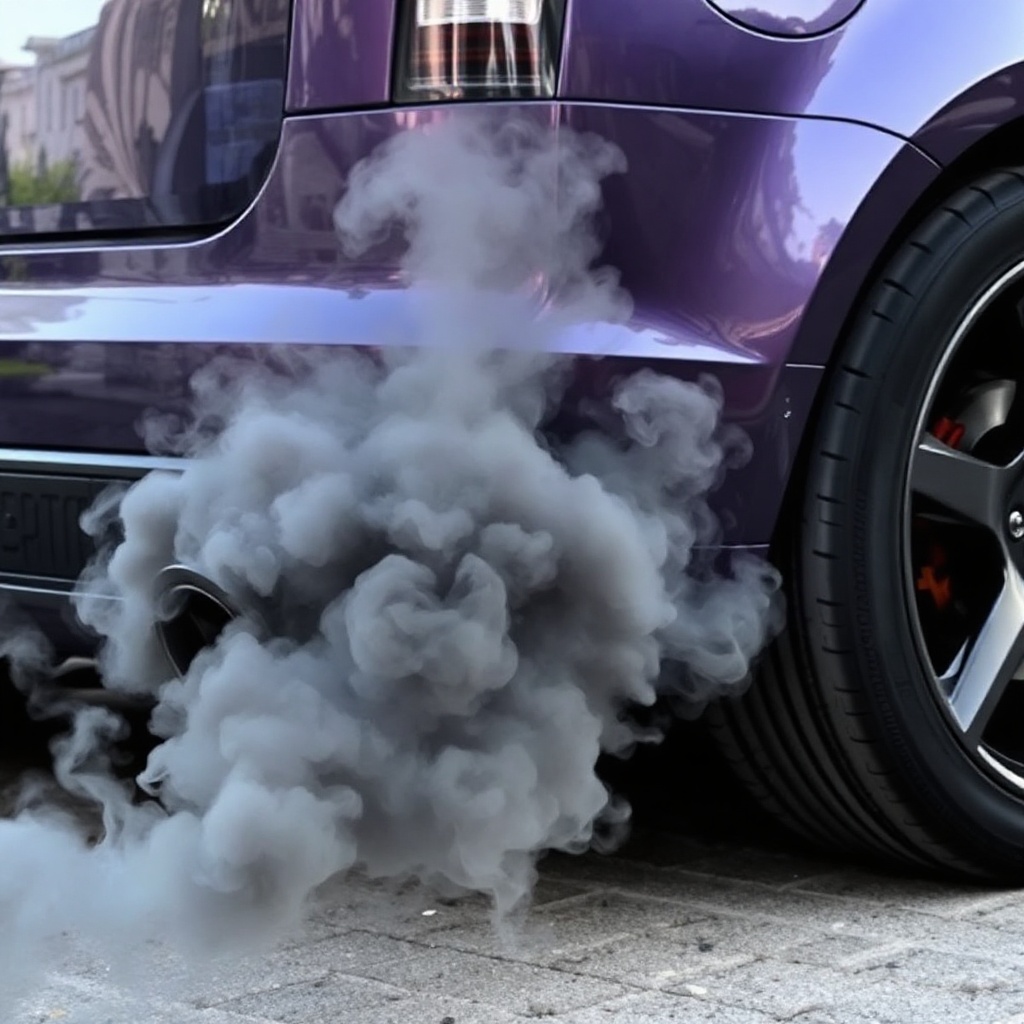
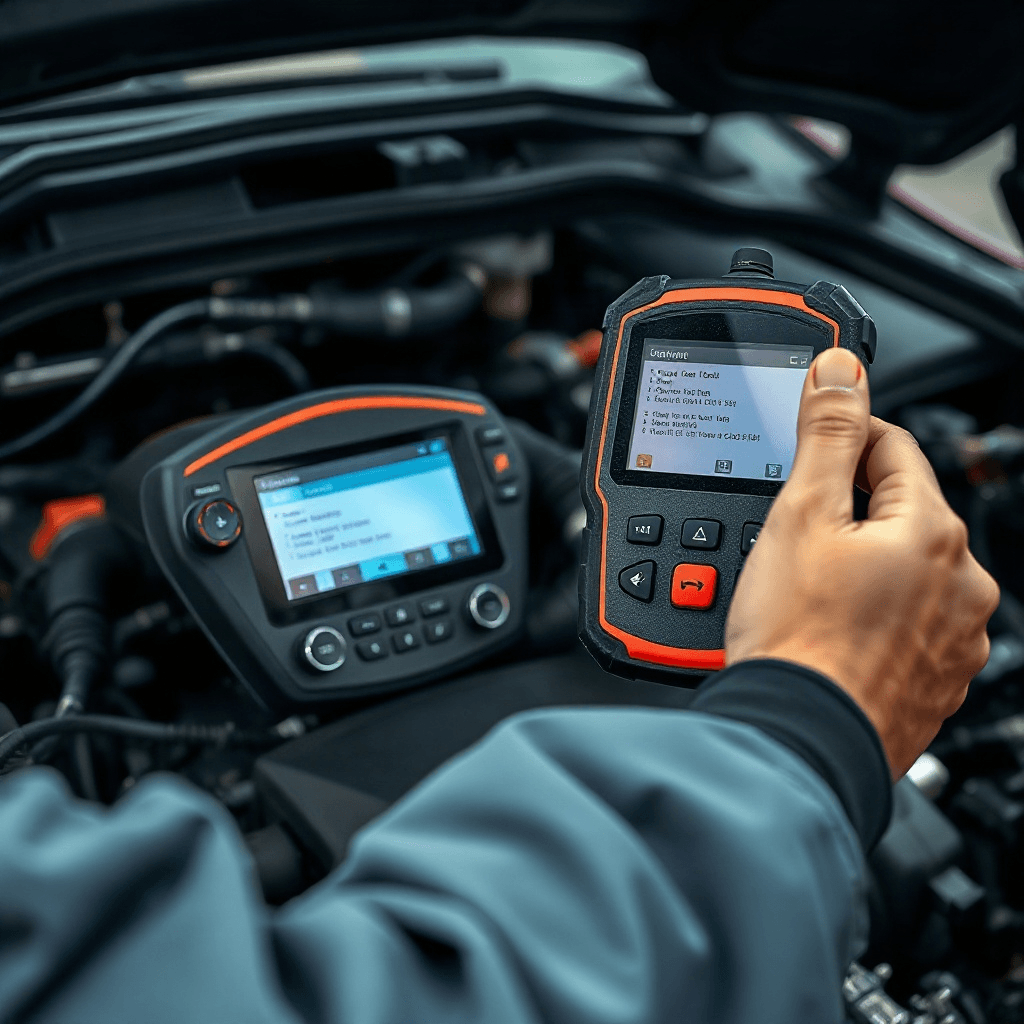
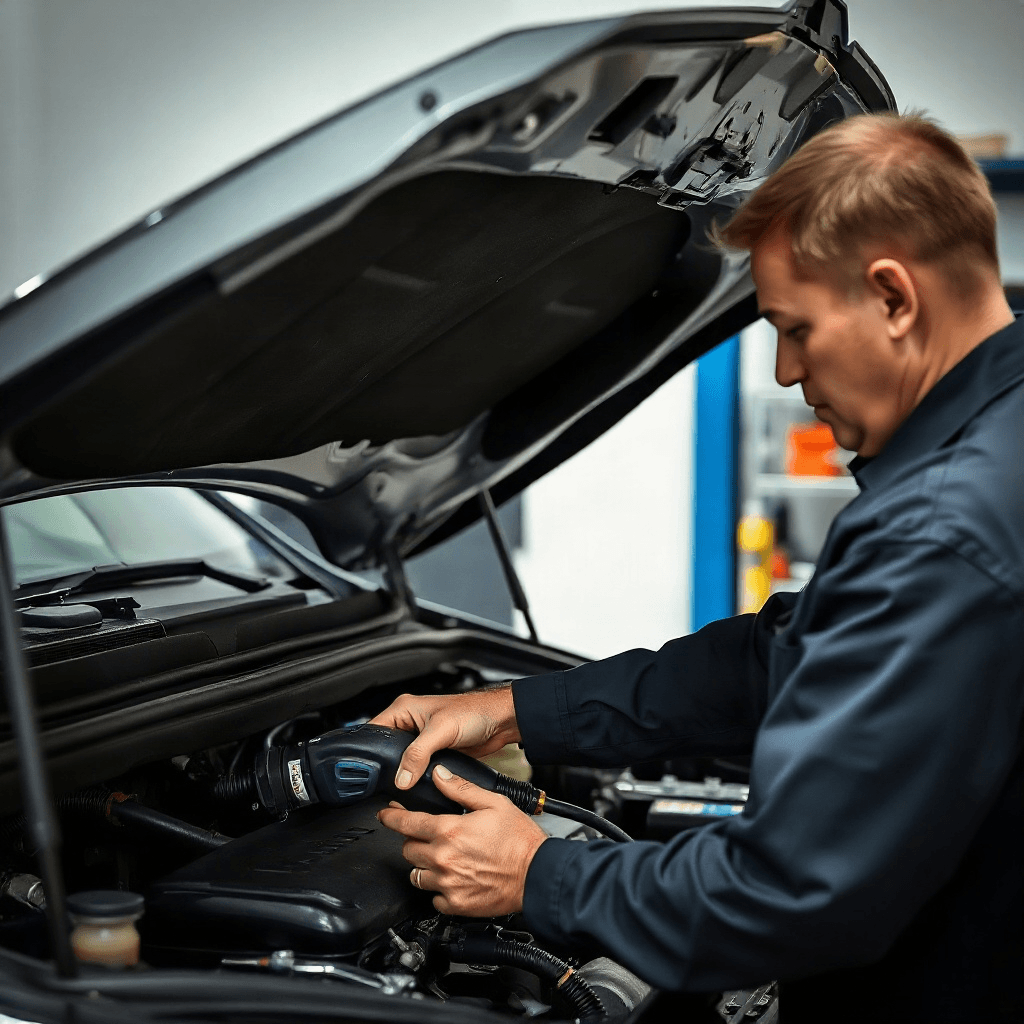
Diagnosing issues within the EVAP system requires a systematic approach. Start by connecting an OBD-II scanner to retrieve any diagnostic trouble codes (DTCs) that can pinpoint the issue. Codes related to the EVAP system often indicate leaks or component failures. A smoke test is another effective method for identifying leaks within the system. By introducing smoke into the EVAP system, you can visually detect any escaping smoke, indicating a leak. This method is particularly useful for pinpointing hard-to-find leaks.
Steps to Address Fuel Leaks and EVAP Concerns
Once you’ve identified the source of the fuel odor, it’s crucial to address the issue promptly. For fuel leaks, repair or replace the damaged components, such as the fuel lines or injector seals, to prevent further leakage. Addressing EVAP system issues often involves replacing faulty components like the purge valve or repairing leaks in the lines. It’s essential to conduct a thorough inspection and replace any worn or damaged parts to ensure the system functions optimally. Regular maintenance checks can prevent these issues from arising in the first place.
Preventive Measures to Avoid Future Problems
Preventing fuel leaks and EVAP system issues starts with regular vehicle maintenance. Regularly inspecting the fuel system for signs of wear and damage can help identify potential problems before they escalate. Ensuring the fuel cap is properly sealed and replacing it if necessary can prevent fuel vapors from escaping. Additionally, regular diagnostic scans can help catch EVAP system issues early, allowing for timely repairs. By maintaining your vehicle diligently, you can avoid the inconvenience and hazards associated with fuel leaks and EVAP problems.
When to Seek Professional Help
While some issues related to fuel leaks and EVAP systems can be addressed with basic mechanical knowledge, others may require professional expertise. If you’re unable to identify the source of the problem or if repairs involve complex components, consulting with a professional mechanic is advisable. Mechanics have the tools and expertise to conduct thorough diagnostics and perform necessary repairs, ensuring your vehicle operates safely and efficiently. [For more insights on vehicle maintenance, visit our detailed guide here].