P0730 Code: Incorrect Gear Ratio
The P0730 code, commonly encountered by automotive technicians and vehicle owners, signifies an incorrect gear ratio. When this code appears, it often signals an underlying issue with the vehicle’s transmission system. Understanding the implications of the P0730 code is crucial for diagnosing and resolving problems efficiently. In this interview, we delve into the complexities of this diagnostic code, shedding light on its causes, symptoms, and potential solutions. By the end of this discussion, you’ll have a comprehensive grasp of how to address this common automotive issue.
Understanding the P0730 Code
When you first encounter the P0730 code, it can be a perplexing experience. This code is primarily related to the transmission system, specifically indicating that the gear ratios are not aligning as expected. But what does this mean in layman’s terms? Essentially, the transmission is not shifting into the correct gear as per the vehicle’s ECU (Engine Control Unit) expectations. This misalignment can lead to a range of issues, from reduced fuel efficiency to noticeable performance drops. The root cause often lies in the transmission fluid, solenoid faults, or even internal mechanical failures, making it imperative to address the problem promptly to prevent further damage.
Symptoms of an Incorrect Gear Ratio
Before diving into the diagnostic process, recognizing the symptoms associated with the P0730 code is vital. Common signs include erratic or harsh shifting, slipping gears, and an illuminated check engine light. You might also notice a decrease in acceleration or unusual noises emanating from the transmission. These symptoms can vary in severity depending on the underlying cause, but they serve as crucial indicators that your vehicle’s transmission system is in distress. Addressing these warning signs with urgency can prevent more severe and costly repairs down the line.
Diagnosing the P0730 Code
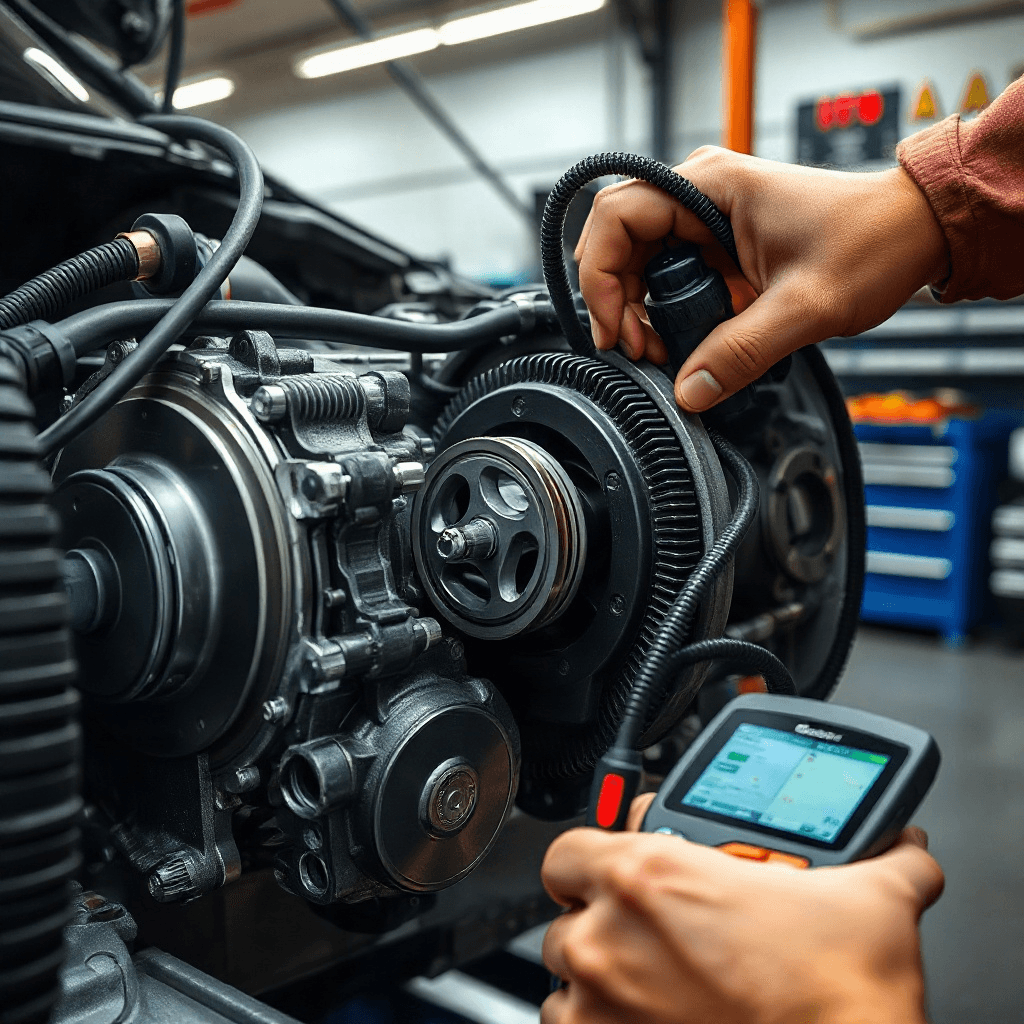
Diagnosing the P0730 code requires a systematic approach. Utilizing an OBD-II scanner is the first step, allowing you to retrieve the diagnostic trouble code and any related codes that might provide further insights. From there, inspecting the transmission fluid levels and condition is essential. Low or contaminated fluid can significantly affect the transmission’s performance. Additionally, checking for any wiring issues or solenoid malfunctions is necessary, as these components play a critical role in maintaining the correct gear ratios. A thorough diagnosis is essential to pinpoint the exact cause and ensure an effective repair strategy.
Common Causes of Gear Ratio Discrepancies
The causes of the P0730 code can be diverse, ranging from simple to complex issues. One common culprit is the transmission fluid, which, if low or degraded, can impair the transmission’s ability to shift gears properly. Solenoid failures, where the solenoid is unable to control hydraulic pressure effectively, are another frequent cause. Mechanical issues within the transmission, such as worn-out gears or bearings, can also lead to incorrect gear ratios. Understanding these possible causes is crucial for implementing a targeted and effective repair plan, ensuring the longevity and reliability of your vehicle’s transmission.
Effective Solutions and Repairs
Addressing the P0730 code involves a combination of diagnostic precision and targeted repairs. Start with the simplest solutions, such as replacing or replenishing the transmission fluid. If the problem persists, further investigation into the solenoids and wiring may be necessary. In some cases, a complete transmission overhaul might be the only viable solution, especially if mechanical components are severely worn out. Collaborating with a skilled technician can significantly enhance the repair process, ensuring that the underlying issues are accurately identified and resolved, restoring your vehicle’s performance and reliability.
Preventive Measures and Maintenance
Preventing the recurrence of the P0730 code is just as important as addressing the issue itself. Regular maintenance, including timely transmission fluid changes and inspections, can go a long way in preserving the health of your vehicle’s transmission system. Additionally, being attentive to any unusual performance issues or warning lights can help catch potential transmission problems early, reducing the risk of severe damage. Implementing these preventive measures not only enhances your vehicle’s longevity but also ensures a smooth and reliable driving experience.