Engine Runs Rough After Refueling: Fuel Quality or EVAP Problem?
When your vehicle’s engine begins to run roughly after refueling, it can be a perplexing and frustrating experience. Amidst the myriad of possible causes, two primary suspects often emerge: fuel quality and issues with the EVAP system. Understanding the interplay between these factors is crucial for diagnosing the root of the problem and ensuring your vehicle runs smoothly. In this commentary, we will explore these components in detail, shedding light on how they can affect your vehicle’s performance and what you can do to address these issues effectively.
Understanding Fuel Quality and Its Impact
Fuel quality is a fundamental aspect that can dramatically influence engine performance. Poor quality fuel may contain contaminants or have an incorrect octane rating, both of which can lead to a rough-running engine. Contaminants such as water, dirt, or even residues from the refining process can clog filters and injectors, causing misfires and reduced efficiency. Likewise, using a fuel with an octane rating lower than recommended can cause knocking, which is detrimental to engine health. Ensuring that you refuel at reputable stations and are aware of your vehicle’s fuel requirements can mitigate these issues. Furthermore, regular maintenance checks can help identify and rectify fuel system problems before they escalate.
The Role of the EVAP System in Engine Performance
The Evaporative Emission Control (EVAP) system plays a critical role in preventing fuel vapors from escaping into the atmosphere. This system not only reduces pollution but also helps maintain optimal fuel pressure for efficient combustion. A malfunctioning EVAP system, perhaps due to a faulty purge valve or a leak in the system, can lead to an imbalance in air and fuel mixtures, causing the engine to run rough. Diagnosing EVAP system problems often requires professional expertise and specialized equipment, as the components are intricately linked to the emissions system. Regular inspections and timely repairs are essential to keep the EVAP system functioning correctly.
Symptoms and Diagnoses Differentiating the Culprits
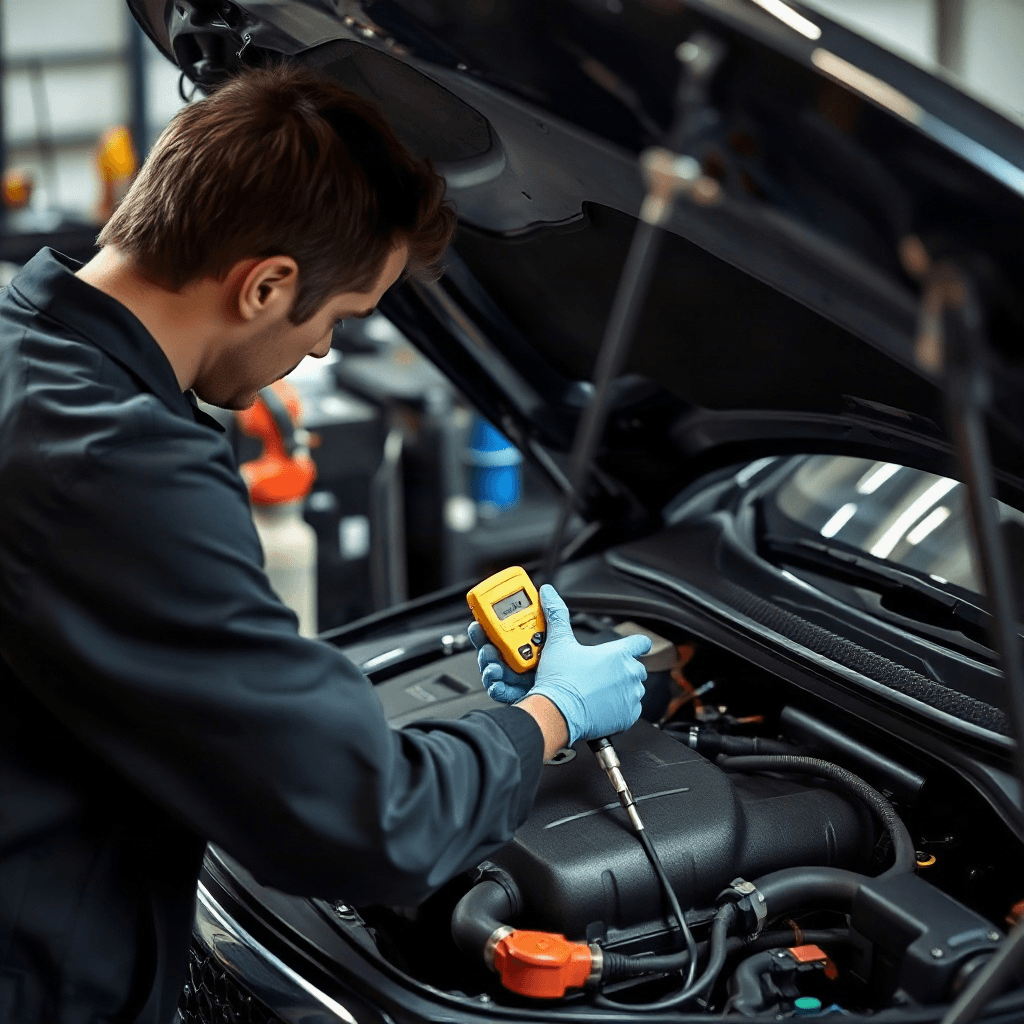
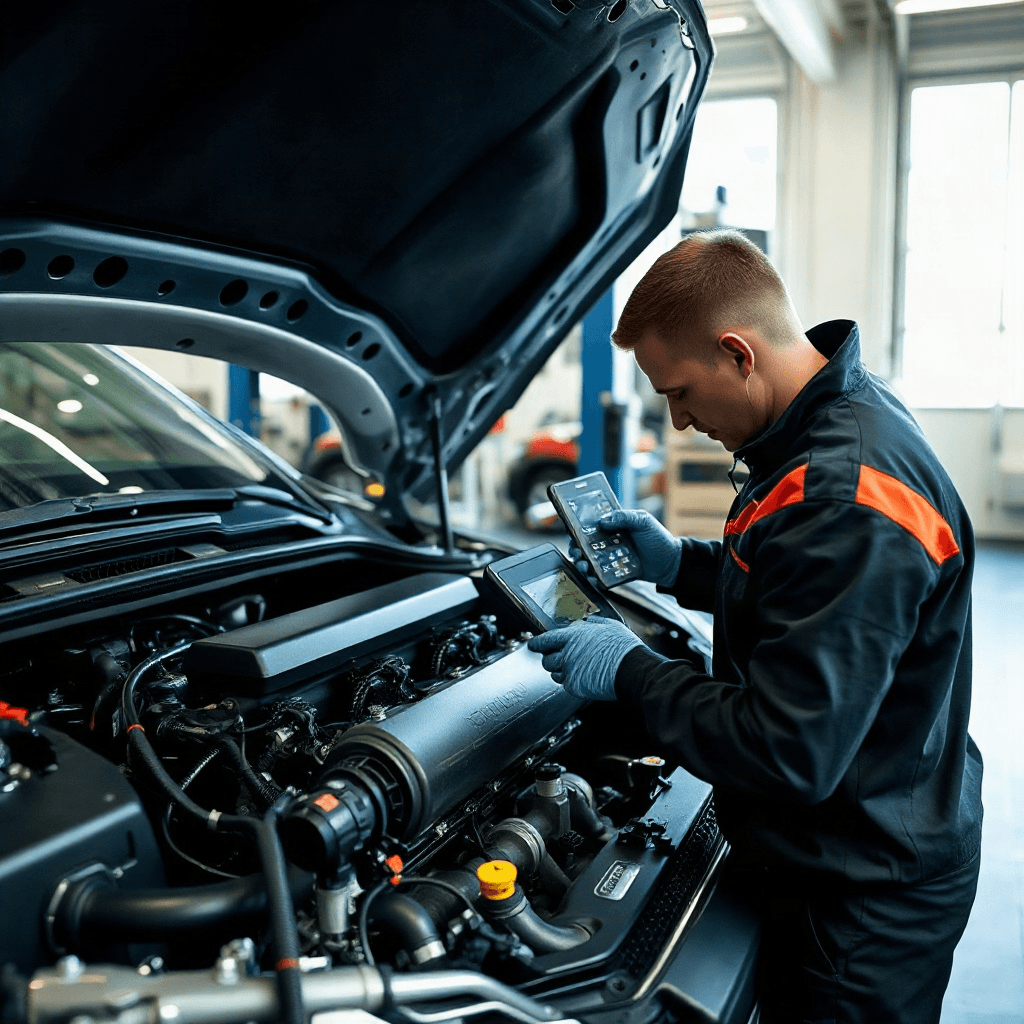
Differentiating between fuel quality issues and EVAP system problems involves careful observation of symptoms and professional diagnostics. If the engine runs rough exclusively after refueling, this might indicate a problem with the EVAP system, as refueling can disrupt the pressure balance within the system. On the other hand, if engine performance issues persist regardless of refuel timing, fuel quality might be the culprit. Advanced diagnostic tools such as OBD-II scanners can read error codes that provide insights into what might be causing the issue. It is important to address these problems promptly to avoid more significant engine damage or costly repairs.
Maintenance Tips to Prevent Engine Issues
Preventative maintenance is the most effective strategy to mitigate issues related to both fuel quality and the EVAP system. Regularly replacing fuel filters, using high-quality fuel additives, and adhering to manufacturer-recommended service intervals can keep your fuel system clean and efficient. For the EVAP system, it is advisable to have periodic checks for leaks or faulty components, especially if you often drive in dusty or harsh environmental conditions. Simple habits like ensuring your gas cap is tightly secured can also prevent EVAP system issues. Maintaining your vehicle not only enhances performance but also extends its lifespan.
When to Seek Professional Help
While some minor engine performance issues can be resolved with basic maintenance, others may require professional intervention. If you notice persistent rough idling or engine stalling after refueling, it is wise to consult an automotive technician. They can perform comprehensive diagnostics to determine whether the problem lies with fuel quality or the EVAP system. A professional mechanic has access to advanced tools and the expertise necessary to repair or replace faulty components efficiently. Timely professional assistance can prevent minor issues from escalating into major ones, saving you time and money in the long run.
Conclusion Ensuring Optimal Engine Performance
In conclusion, understanding the nuances of fuel quality and the EVAP system is vital for diagnosing and resolving engine performance issues. By staying informed and proactive in your vehicle maintenance, you can prevent many common problems associated with these components. Ensuring that your vehicle receives the right fuel and regular check-ups for the EVAP system will keep your engine running smoothly. Should problems arise, do not hesitate to seek professional help to ensure that your vehicle remains reliable and efficient for years to come.