Fuel Smell Inside the Car: Safe Checks and When to Stop Driving
In the context of vehicle maintenance and safety, encountering a fuel smell inside your car can be both alarming and confusing. Understanding the potential causes and knowing when to take action is crucial for ensuring your safety on the road. In this interview-styled article, we will explore the intricacies of fuel odors within a vehicle, offering insights from experts in automotive safety. You will learn about the necessary checks to perform and recognize the critical point when it’s best to stop driving altogether.
Identifying the Source of the Fuel Smell
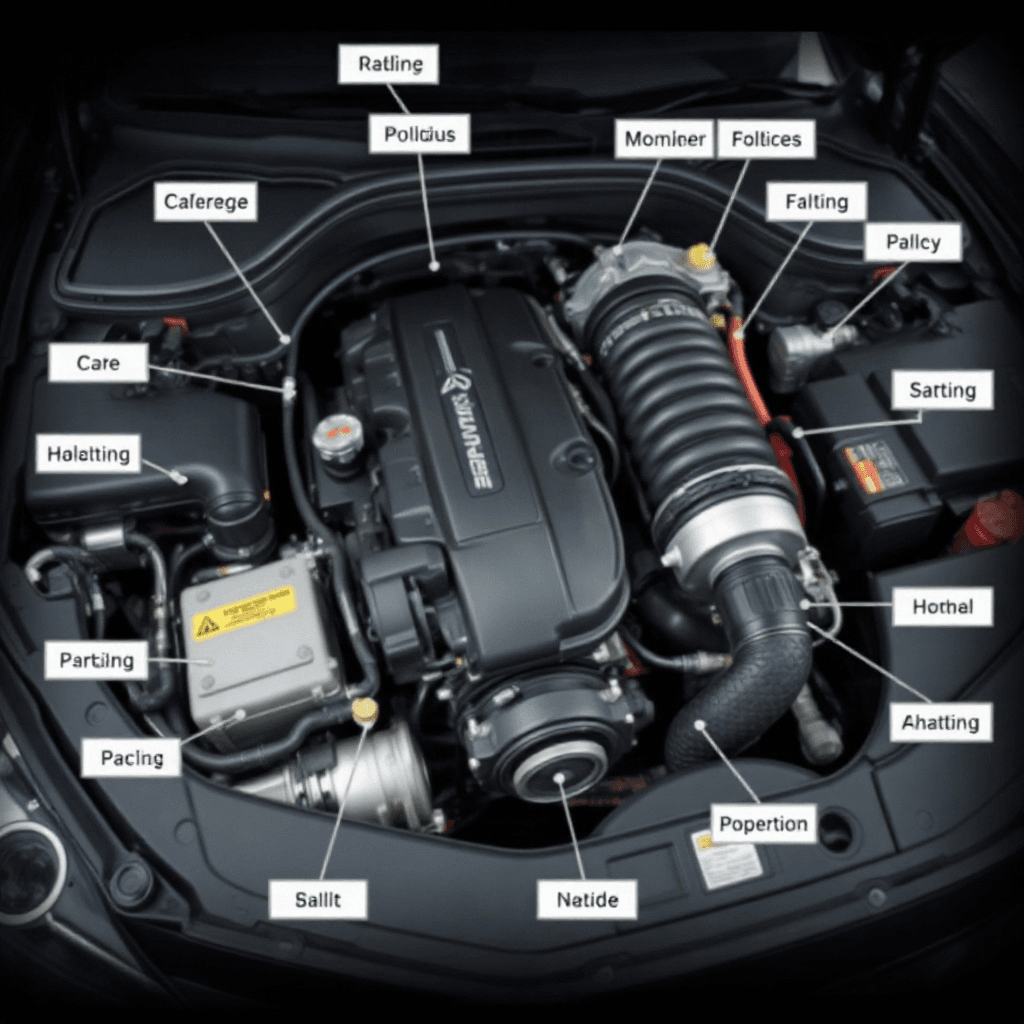
When you first notice a fuel smell inside your car, the initial step is to pinpoint its origin. According to automotive engineer Dr. Lisa Chen, identifying whether the odor is coming from the engine compartment, the cabin, or the exhaust is crucial. “Each source can indicate different issues, ranging from minor to severe,” she explains. If the smell is strongest in the cabin, it could be due to a leak in the fuel system, a common yet serious problem. Dr. Chen emphasizes the importance of checking for visible leaks around the fuel lines and under the vehicle. The presence of a puddle beneath the car can be a clear indicator of a leak. However, if the smell is more profound when the vehicle is running, it may relate to the exhaust system, which requires immediate attention.
Performing Safe Checks Yourself
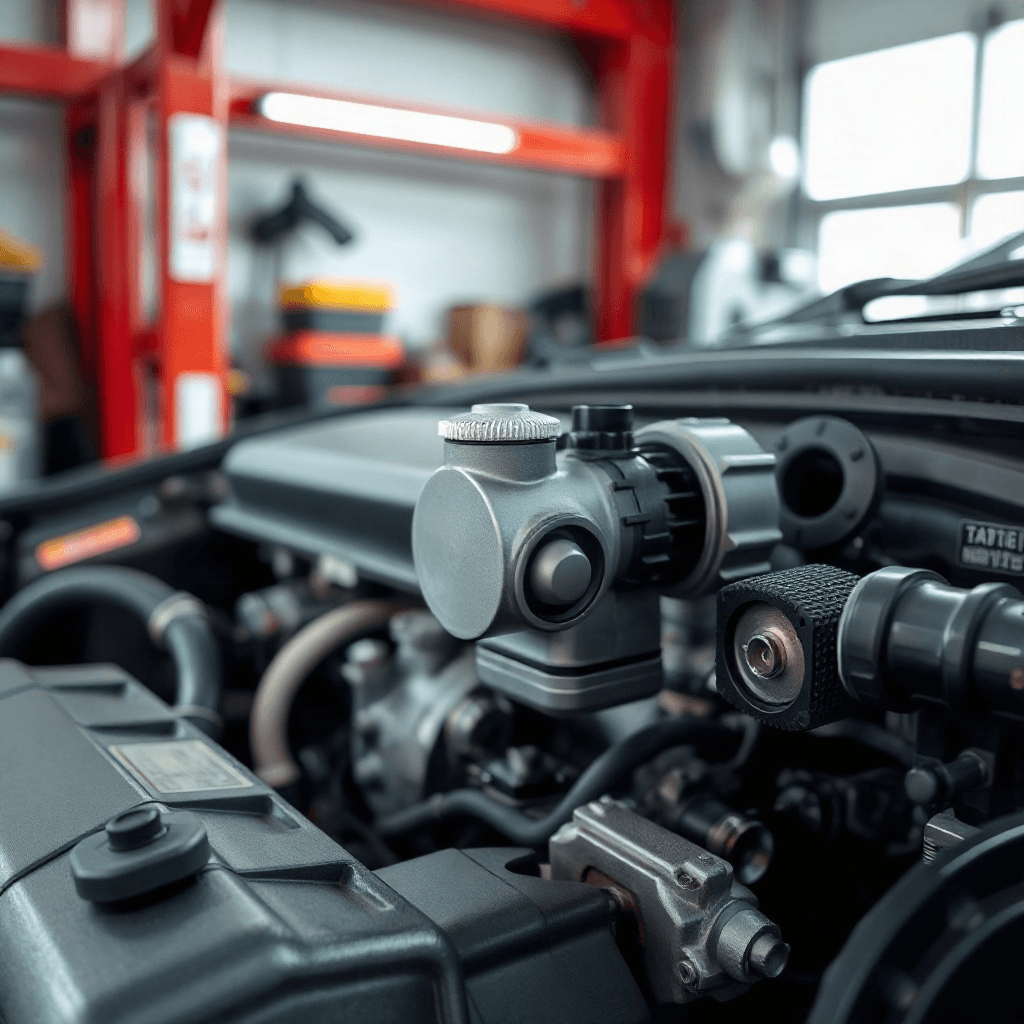
Car enthusiast and mechanic, Jake Martinez, suggests a few safe checks you can perform on your own before seeking professional help. “Begin by inspecting the fuel cap,” he advises. An improperly sealed or damaged fuel cap is a frequent culprit for fuel odors. Ensure it is tightly secured and inspect for any cracks or wear. Jake also recommends checking the fuel lines for signs of wear or damage. “Look for any wet or oily spots along the lines,” he urges, as these could signify a leak. Additionally, examining the vehicle’s air filter can be beneficial, since a clogged filter might cause fuel vapors to enter the cabin. However, it’s important to remember that while these checks can be informative, they are not a substitute for professional diagnostics.
Understanding the Risks of Ignoring Fuel Smells
Ignoring a persistent fuel smell in your car can lead to serious consequences. Automotive safety expert Dr. Emily Rogers warns that fuel vapors are highly flammable and pose a significant fire hazard. “Even a small spark can ignite these vapors, leading to devastating results,” she cautions. Furthermore, prolonged exposure to fuel fumes inside the cabin can be harmful to your health, causing headaches, dizziness, or more severe respiratory issues. Dr. Rogers highlights that addressing the issue promptly not only prevents potential health risks but also avoids costly repairs down the line. “The longer you wait, the higher the risk and the repair cost,” she adds.
When to Seek Professional Help
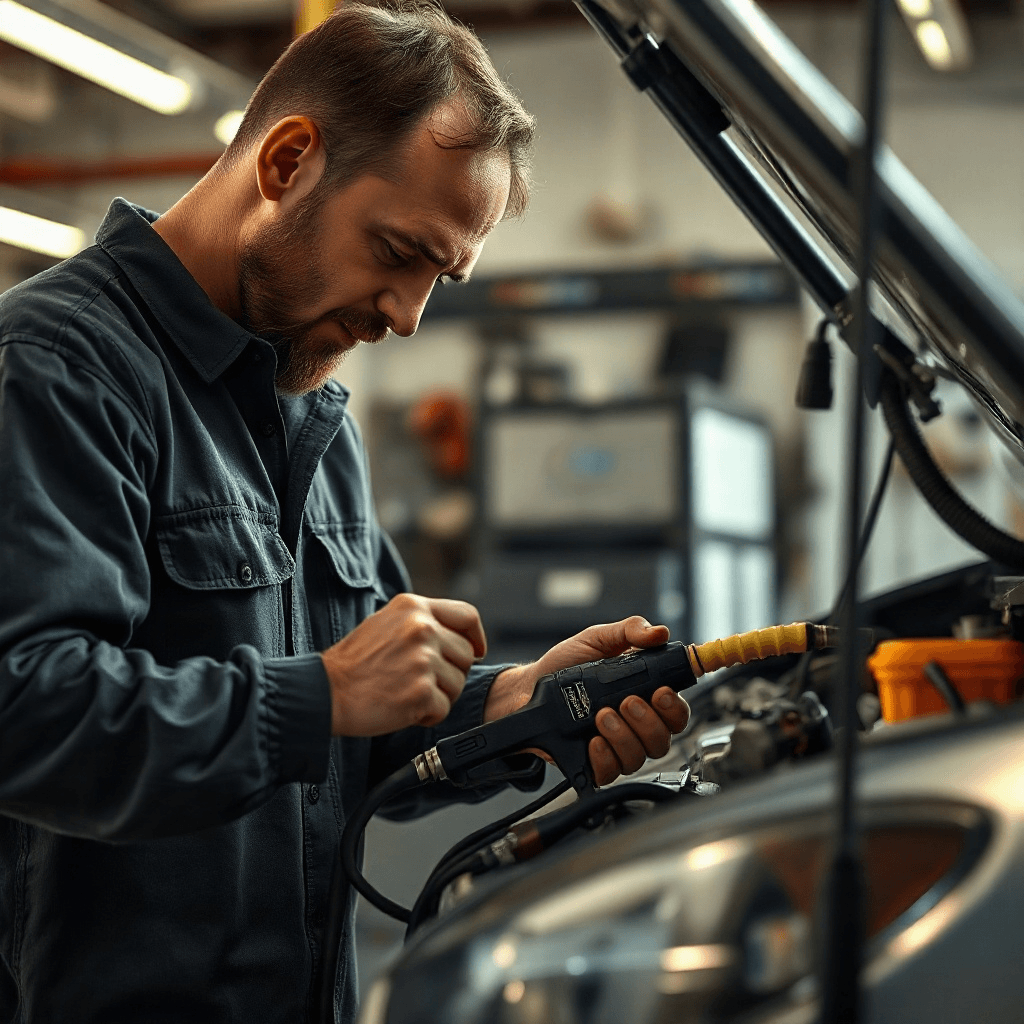
Determining when to seek professional help is crucial in addressing fuel odors effectively. As automotive technician Sarah Green advises, if the odor persists despite your initial checks, it’s time to consult a professional. “A persistent smell indicates a more complex issue that requires specialized tools and expertise,” she notes. Professionals can conduct comprehensive diagnostics to identify problems such as faulty fuel injectors, cracked fuel tanks, or exhaust leaks. Sarah emphasizes that timely intervention by a professional can prevent minor issues from escalating into major repairs, saving both time and money.
Recognizing When to Stop Driving
One of the most critical decisions you may face is knowing when to stop driving due to a fuel smell. Fire safety officer Tom Benson stresses that if the odor becomes overpowering or you notice visible signs of a leak, it is essential to stop driving immediately. “Continuing to drive under these conditions can put you and others at risk,” he warns. In such cases, safely pull over, turn off the engine, and contact roadside assistance. Tom also advises keeping a fire extinguisher in your vehicle as a precautionary measure, especially if you frequently experience fuel-related issues.
Preventive Measures for the Future
Preventing future occurrences of fuel smells in your car involves regular maintenance and awareness. Automotive maintenance specialist Laura Kim suggests routine checks of the fuel system during regular service intervals. “Early detection of wear and potential leaks can prevent problems before they arise,” she explains. Additionally, ensuring that your vehicle’s ventilation system is in good condition can help prevent fuel vapors from entering the cabin. Laura recommends replacing cabin air filters regularly and checking for any blockages in the ventilation ducts. By staying proactive and informed, you can maintain a safer driving environment and reduce the likelihood of encountering hazardous fuel odors.