How to Fix TPMS Warning Light
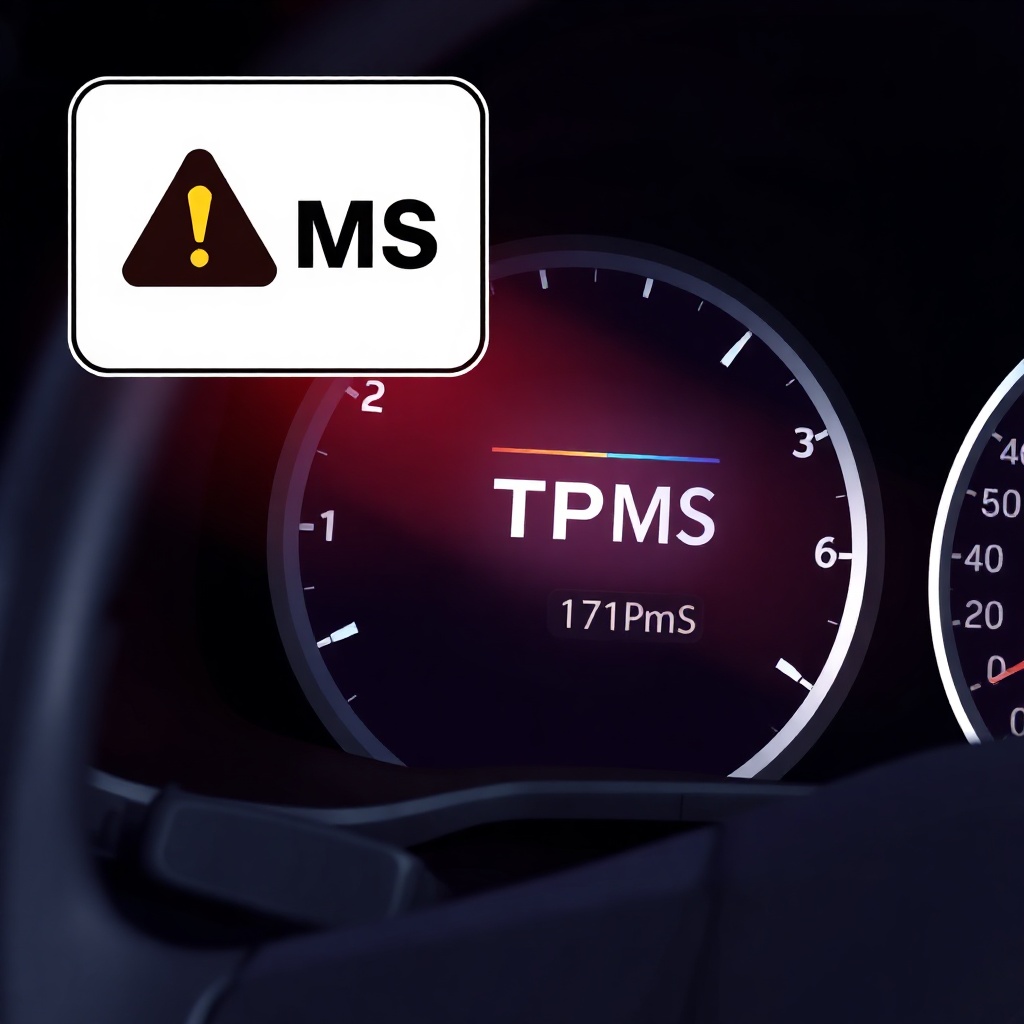
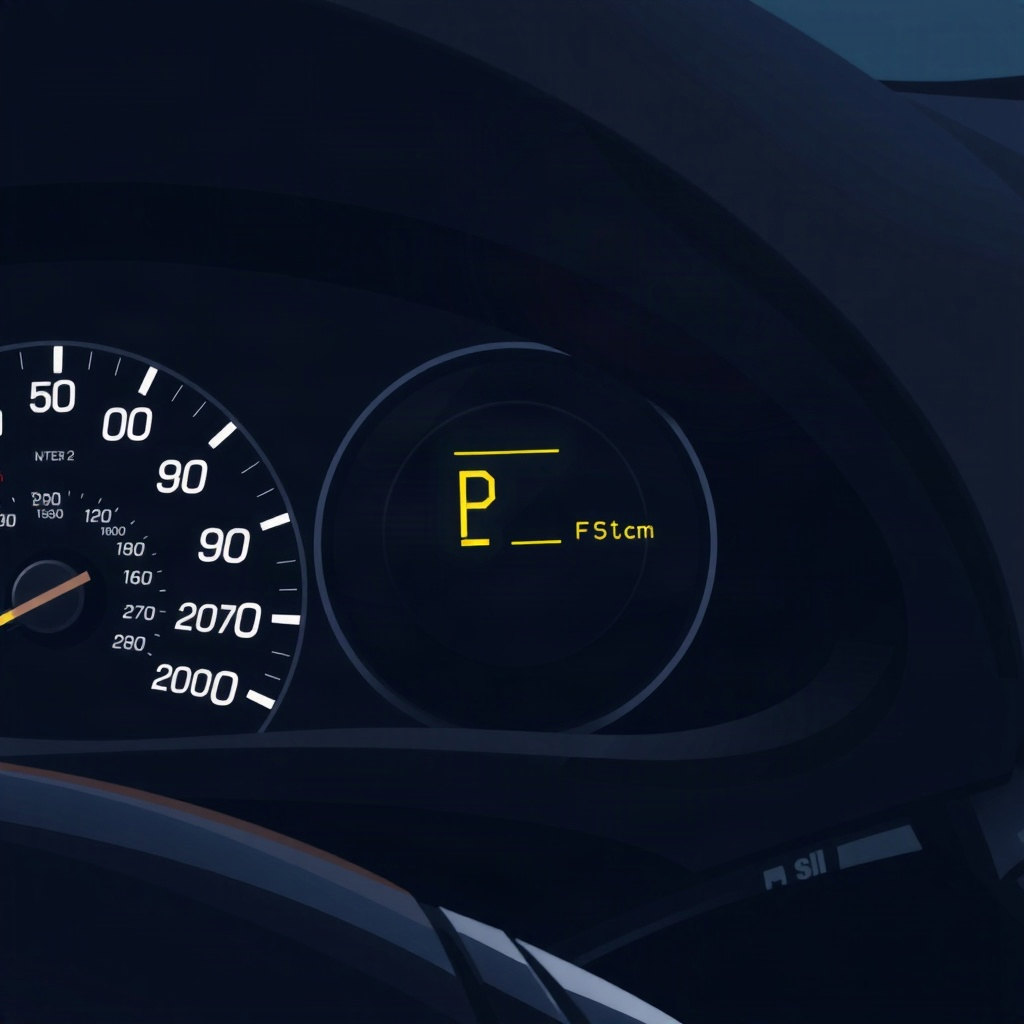
The TPMS warning light on your car’s dashboard can be a cause of concern for many drivers. This indicator light, which stands for Tire Pressure Monitoring System, is designed to alert you when one or more of your tires are significantly underinflated. Driving with low tire pressure can be dangerous and can affect your vehicle’s performance and fuel efficiency. In this blog post, we will discuss how you can fix the TPMS warning light and ensure your safety on the road.
Understanding the TPMS Warning Light
Before you can fix the TPMS warning light, it’s important to understand why it illuminates in the first place. The TPMS is a safety feature that monitors the air pressure in your tires. When the pressure in one or more tires drops below a certain threshold, the TPMS warning light will come on to alert you to the issue. This can be caused by a variety of factors, including changes in temperature, punctures, or simply normal air loss over time.
Checking Tire Pressure
The first step in fixing the TPMS warning light is to check the air pressure in your tires. You can do this using a tire pressure gauge, which can be purchased at any auto parts store. Make sure to check the pressure in all four tires, as well as the spare if your vehicle has one. The recommended tire pressure for your car can usually be found in the owner’s manual or on a sticker inside the driver’s side door jamb.
Inflating Your Tires
If you find that one or more of your tires are underinflated, you will need to inflate them to the recommended pressure. You can do this at a gas station with an air pump, or you may choose to invest in a portable air compressor for convenience. Be sure to use the correct inflation pressure for your vehicle, as overinflating can be just as dangerous as underinflating.
Resetting the TPMS
After inflating your tires to the proper pressure, the TPMS warning light may still be illuminated on your dashboard. In this case, you will need to reset the TPMS system to recognize the new tire pressures. This can usually be done through a series of button presses on your dashboard or by following the instructions in your owner’s manual. If you are unsure how to reset the TPMS, consult a professional mechanic for assistance.
Replacing Faulty Sensors
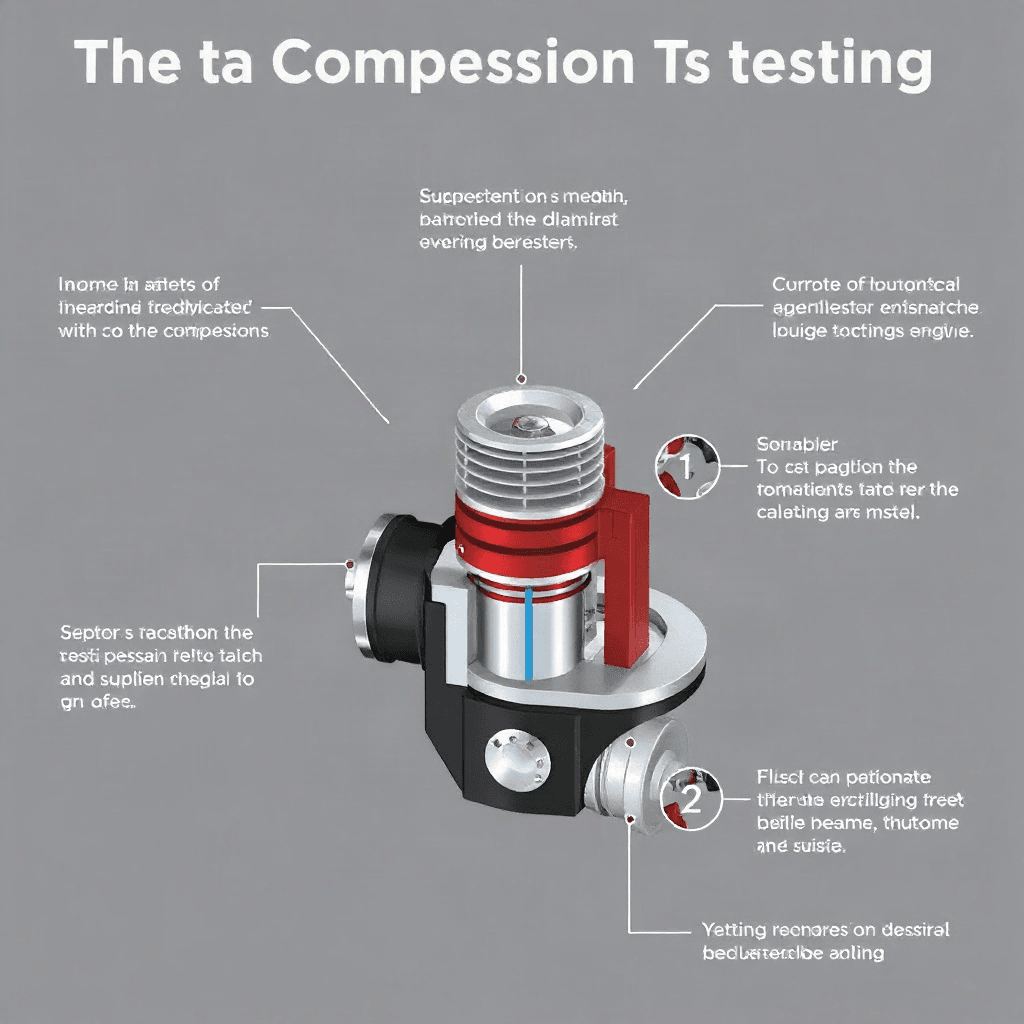
In some cases, the TPMS warning light may persist even after inflating your tires and resetting the system. This could indicate a faulty sensor in one of your tires, which may need to be replaced. TPMS sensors are located inside the tire assembly and can be difficult to access without the proper tools. If you suspect a faulty sensor, it’s best to have it inspected and replaced by a qualified technician.
Maintaining Proper Tire Care
Preventing the TPMS warning light from coming on in the future involves regular tire maintenance. Check your tire pressure at least once a month and before long road trips to ensure that they are properly inflated. Additionally, inspect your tires for signs of damage, such as cuts, bulges, or uneven wear. Proper tire care not only keeps you safe on the road but also improves your vehicle’s performance and fuel efficiency.