Brake Lights Stay On When the Pedal Is Released
When you release the brake pedal in your car, you expect the brake lights to turn off promptly. However, if they remain on, it can signal an underlying issue that requires attention. This situation is more than a mere annoyance—it can be a safety hazard, leading to potential misunderstandings with other drivers and even resulting in a drained battery if left unattended. As a seasoned automotive journalist, I’ve frequently encountered this problem, and it’s essential to understand the causes, implications, and solutions. In this article, we’ll delve into why brake lights stay on even when the pedal is released and what steps you can take to address this issue effectively.
Understanding the Brake Light System
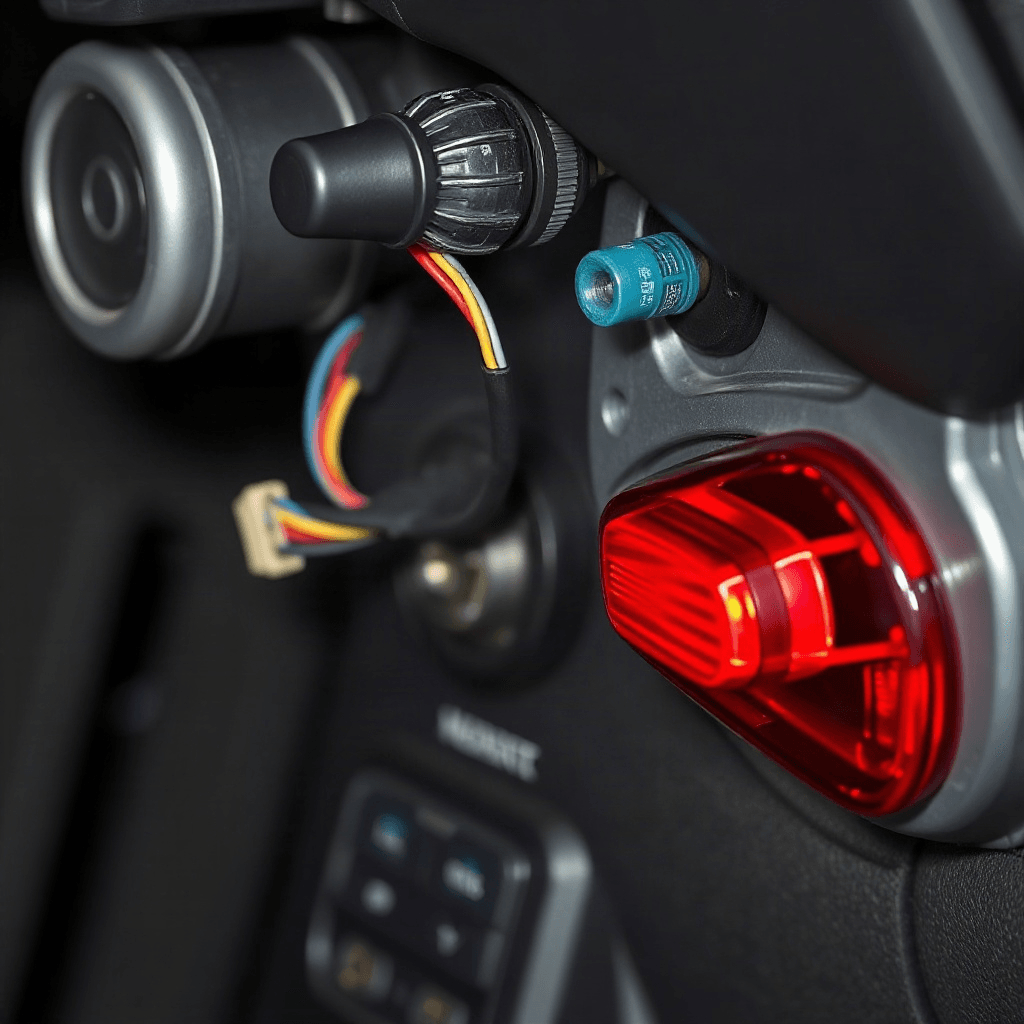
The brake light system in a vehicle is a critical component of its safety features. Its primary function is to alert drivers behind you that your car is slowing down or stopping. The system typically consists of the brake pedal, a switch, wiring, and the lights themselves. When you press the brake pedal, a switch is activated, completing an electrical circuit and illuminating the brake lights. Conversely, when you release the pedal, the switch should deactivate, breaking the circuit and turning off the lights. However, if the lights remain on, it indicates a malfunction in one of these components. Understanding this system’s intricacies is vital for diagnosing why your brake lights might be persistently glowing.
Common Causes of Brake Light Malfunctions
There are several reasons why brake lights might stay on even after the pedal is released. A common culprit is a faulty brake light switch. This switch is typically located near the pedal and can wear out over time, causing it to stick in the “on” position. Another possibility is an issue with the brake pedal itself, such as a misalignment or a mechanical obstruction preventing it from returning to its proper position. Electrical problems, such as a short circuit in the wiring, can also lead to this issue. Moreover, some modern vehicles have complex electronic control systems that might malfunction, causing the lights to stay on. Identifying the exact cause requires a systematic approach, often involving inspection and testing of each component.
Implications of Persistent Brake Lights
Having brake lights that stay on continuously can lead to numerous problems. Firstly, it can confuse other drivers, increasing the risk of rear-end collisions as they aren’t accurately informed of your driving actions. Moreover, if the brake lights remain on while the car is off, it can lead to battery drainage, leaving you stranded with a vehicle that won’t start. Additionally, continuous illumination of the brake lights might be indicative of broader electrical issues within the car, potentially affecting other systems. Therefore, addressing the problem promptly is not just about fixing a light bulb but ensuring your vehicle’s overall safety and functionality.
Diagnosing the Problem
Diagnosing why your brake lights remain on involves a combination of visual inspection and technical testing. Start by checking the brake pedal and switch. Look for any visible obstructions or misalignments in the pedal mechanism. Test the brake light switch manually; if it doesn’t click or reset when pressed, it might need replacing. Next, inspect the wiring for any signs of wear, fraying, or damage that could cause a short circuit. In vehicles with more advanced systems, using a diagnostic tool to scan for error codes can provide valuable insights into electronic malfunctions. Taking a systematic approach will help pinpoint the issue more efficiently.
Solutions and Repairs
Fixing brake lights that won’t turn off can range from simple DIY fixes to more complex repairs requiring professional assistance. If the brake light switch is faulty, it can often be replaced relatively easily at home with basic tools. Ensure you have the correct replacement part and follow the manufacturer’s instructions for installation. For issues related to the brake pedal, realigning or lubricating the mechanism might resolve the problem. However, if you suspect an electrical fault or a more complex system malfunction, it is advisable to consult a professional mechanic or an automotive electrician. They have the expertise and equipment to safely and effectively address such issues, ensuring your vehicle is back in optimal condition.
Preventive Measures and Maintenance Tips
Regular maintenance and inspections are key to preventing brake light malfunctions. Routinely check the condition and alignment of your brake pedal and switch, especially if your vehicle is older or frequently used. Pay attention to any unusual behavior, like flickering lights or delayed responses when braking, as these can be early indicators of a problem. Additionally, keeping your vehicle’s electrical system in good health through regular check-ups can prevent wiring issues that might affect the brake light system. By being proactive, you can avoid the inconvenience and potential dangers of brake lights that refuse to turn off.