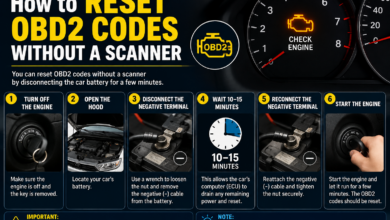
How to Diagnose an OBD-II Code That Returns Immediately After Clearing

Diagnosing an OBD-II code that reappears immediately after clearing can be a perplexing task for many car enthusiasts and professionals alike. You’ve probably been in a situation where you’ve cleared a trouble code, only for it to return almost instantly. This scenario raises questions about what might be wrong and how to address it efficiently. In this article, we’ll navigate through this process by bringing insights from a seasoned automotive technician. By the end of this conversation, you’ll have a clearer understanding of how to tackle such persistent code issues.
Understanding the Basics of OBD-II Codes
To begin with, it’s essential to grasp what OBD-II codes are. These codes are diagnostic trouble codes (DTCs) used by all modern vehicles to alert the driver or technician of potential issues. When you see a code return after clearing, it usually indicates an underlying problem that hasn’t been resolved. As our expert points out, “The OBD-II system is like the car’s nervous system; it tells you where to look but not necessarily what to change.” These codes can be related to various aspects of the vehicle, including the engine, emissions, or other critical systems. Understanding the nature of these codes is crucial before diving into diagnosing persistent problems.
Common Reasons for Persistent Codes
When it comes to codes that persist, there are a few usual suspects. According to our expert, “The most common reasons include faulty sensors, wiring issues, or even a malfunctioning ECU.” Faulty sensors can send incorrect data, causing the code to trigger repeatedly. Wiring issues, such as shorts or open circuits, can disrupt the signal between components. Additionally, the Engine Control Unit (ECU) might not be functioning correctly, leading to recurring codes. Identifying the root cause often requires a systematic approach, starting with the most straightforward explanations and progressing to more complex ones.
Step-by-Step Diagnostic Process
A structured diagnostic process is vital. Our expert outlines a methodical approach: “Start by checking the simplest components first, like the connections and wiring. Then, move on to testing sensors and the ECU if needed.” This step-by-step process begins with ensuring all connections are secure and there are no visible signs of damage. Next, using a multimeter, you can test the sensors to make sure they are functioning within their specified parameters. If the issue persists, the ECU may need to be examined or even replaced. This thorough process helps in isolating the exact cause of the persistent code.
Tools and Equipment You Will Need
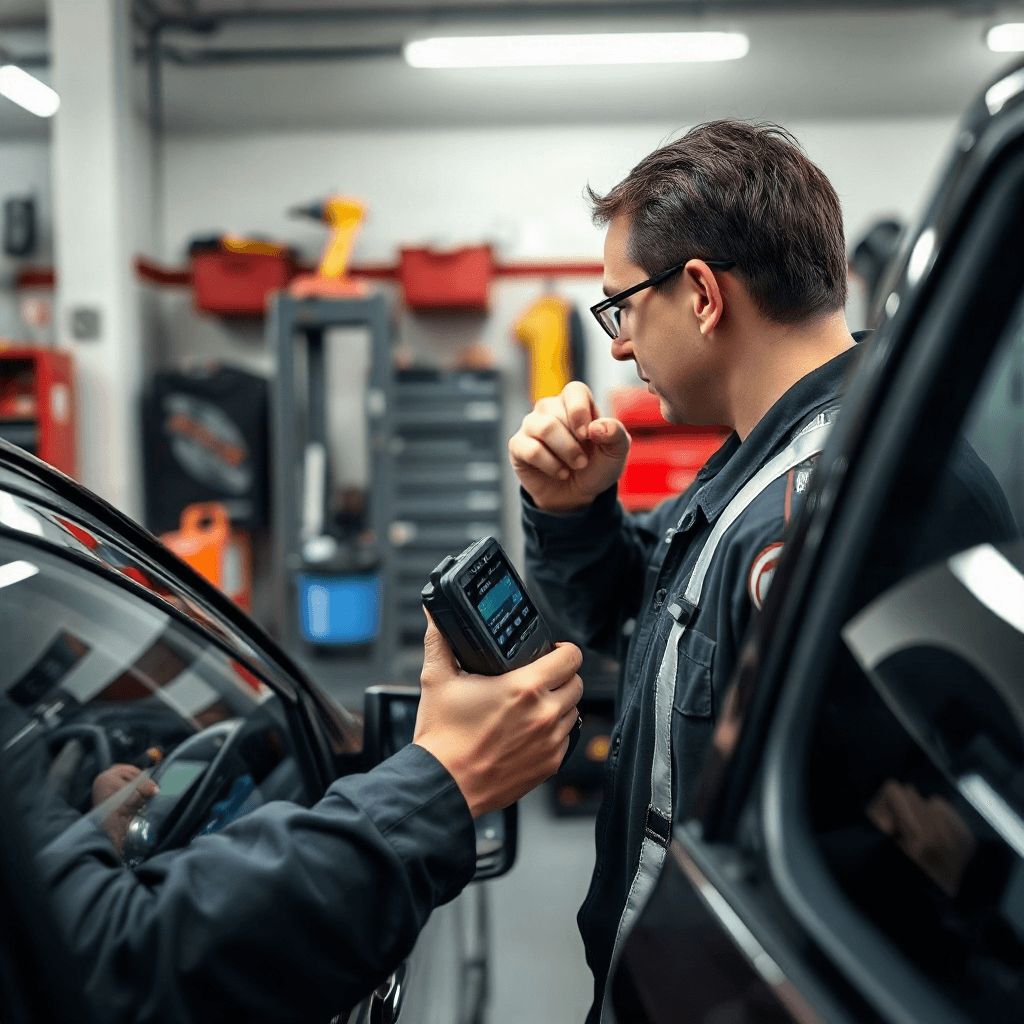
Having the right tools is half the battle won. For diagnosing an OBD-II code, our expert recommends, “A reliable OBD-II scanner, multimeter, and a basic set of tools for circuit testing and repairs.” The OBD-II scanner is essential for reading and clearing codes, while the multimeter is indispensable for checking electrical components and connections. Additionally, having a basic toolkit will allow you to make necessary repairs or replacements. The right equipment not only makes the job easier but also ensures that you’re able to perform a comprehensive diagnostic.
When to Seek Professional Help
There comes a point when professional intervention might be necessary. As our expert advises, “If you’ve exhausted all basic checks and the problem persists, it’s time to consult a professional.” Persistent codes can sometimes indicate complex issues beyond the reach of DIY diagnostics. Professionals have access to advanced diagnostic tools and databases that can identify problems that are not apparent through basic checks. Seeking professional help ensures that the issue is resolved correctly, preventing further damage to the vehicle.
Preventive Measures to Avoid Persistent Codes
Finally, preventive measures can go a long way in avoiding such issues. Regular maintenance and timely repairs are key. Our expert emphasizes, “Regularly check your vehicle’s systems, use high-quality fuel, and don’t ignore small issues as they arise.” By adhering to a routine maintenance schedule and addressing minor issues promptly, you can prevent the escalation of problems that lead to persistent codes. This proactive approach not only keeps your vehicle running smoothly but also extends its lifespan.
By understanding these aspects of diagnosing OBD-II codes that reappear, you’re better equipped to handle such challenges with confidence. Remember, a systematic approach, the right tools, and knowing when to seek help are your best allies in maintaining a trouble-free vehicle.