Engine Feels Weak but No Warning Light Is On: What to Investigate
When the engine of your beloved car starts to feel weak, yet there’s no warning light to guide you, it can be both frustrating and baffling. In the automotive world, warning lights are typically a driver’s first indication that something has gone awry. However, the absence of such an alert doesn’t necessarily mean everything is running smoothly under the hood. This situation demands a deeper dive into the inner workings of your vehicle to find the root cause of the problem. Power loss without the guidance of dashboard indicators can be a tricky scenario, often obscured by layers of mechanical complexity. Therefore, understanding what to investigate becomes crucial.
Understanding the Basics of Engine Performance
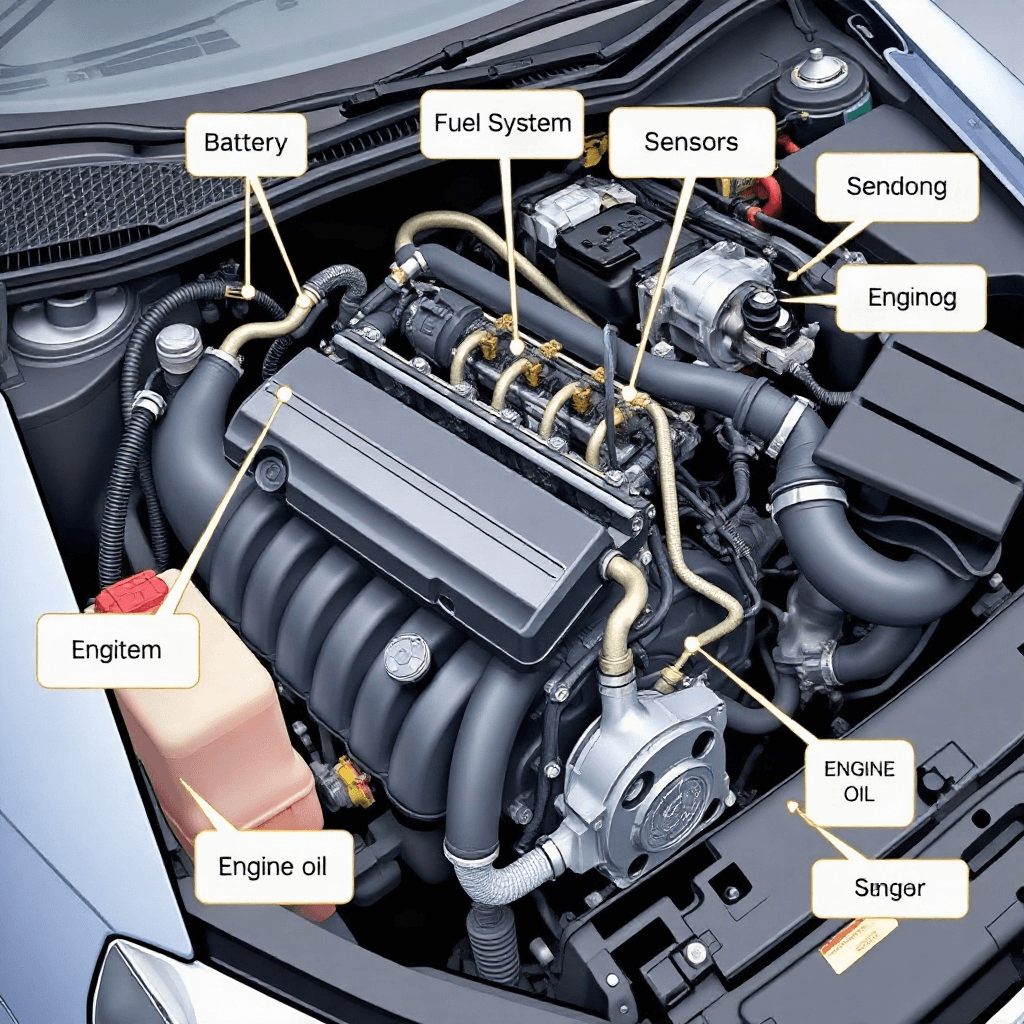
Before delving into specific problems, it’s essential to understand the fundamentals of engine performance. An engine’s power output can be affected by numerous factors, ranging from fuel delivery to air intake and ignition systems. These components must work harmoniously to ensure optimal performance. A weak engine might suggest that one or more of these systems are not functioning as intended. It is vital to remember that modern vehicles come equipped with sophisticated control systems designed to optimize performance and efficiency. However, these systems are not infallible and may not always detect subtle issues that don’t trigger obvious symptoms or warning lights.
The Role of Fuel Supply System
One of the first areas to investigate when experiencing engine weakness is the fuel supply system. Fuel injectors, fuel pumps, and filters play a pivotal role in ensuring that the engine receives the correct amount of fuel. Clogged fuel filters or failing pumps can lead to inadequate fuel supply, resulting in diminished performance. Even if the onboard diagnostics system doesn’t detect a fault, it’s worth checking the condition and functionality of these components. Regular maintenance can help prevent these issues, but if problems persist, a more thorough inspection may be necessary to pinpoint the exact cause.
Examining the Air Intake and Exhaust Systems
The air intake and exhaust systems are equally critical in maintaining engine power. An obstructed air filter can restrict airflow to the engine, causing it to struggle and underperform. Similarly, issues within the exhaust system, such as a clogged catalytic converter, can prevent proper expulsion of exhaust gases, leading to a power drop. These components should be inspected regularly to ensure they are free from debris and functioning correctly. Addressing these areas can often restore engine performance without the need for more invasive diagnostic procedures.
The Importance of the Ignition System
Another potential culprit behind a weak engine is the ignition system. Spark plugs, ignition coils, and related components must function perfectly to ignite the air-fuel mixture in the engine cylinders. Worn or damaged spark plugs can lead to misfires, which may not always trigger a warning light but can certainly cause noticeable power loss. Replacing old spark plugs and inspecting the ignition system components for wear and tear can often resolve these issues and restore engine strength.
Evaluating the Engine Control Unit
The Engine Control Unit (ECU) is the brain behind your vehicle’s performance, continuously monitoring and adjusting various parameters to keep everything running smoothly. Sometimes, a weak engine can result from outdated or corrupted ECU software, which might not effectively manage the engine’s operations. In such cases, updating the ECU software, a process known as re-flashing, can help rectify the problem. Additionally, it’s vital to ensure that all sensors connected to the ECU are functioning correctly, as faulty sensors can give inaccurate readings, leading to performance issues.
Seeking Professional Diagnostics
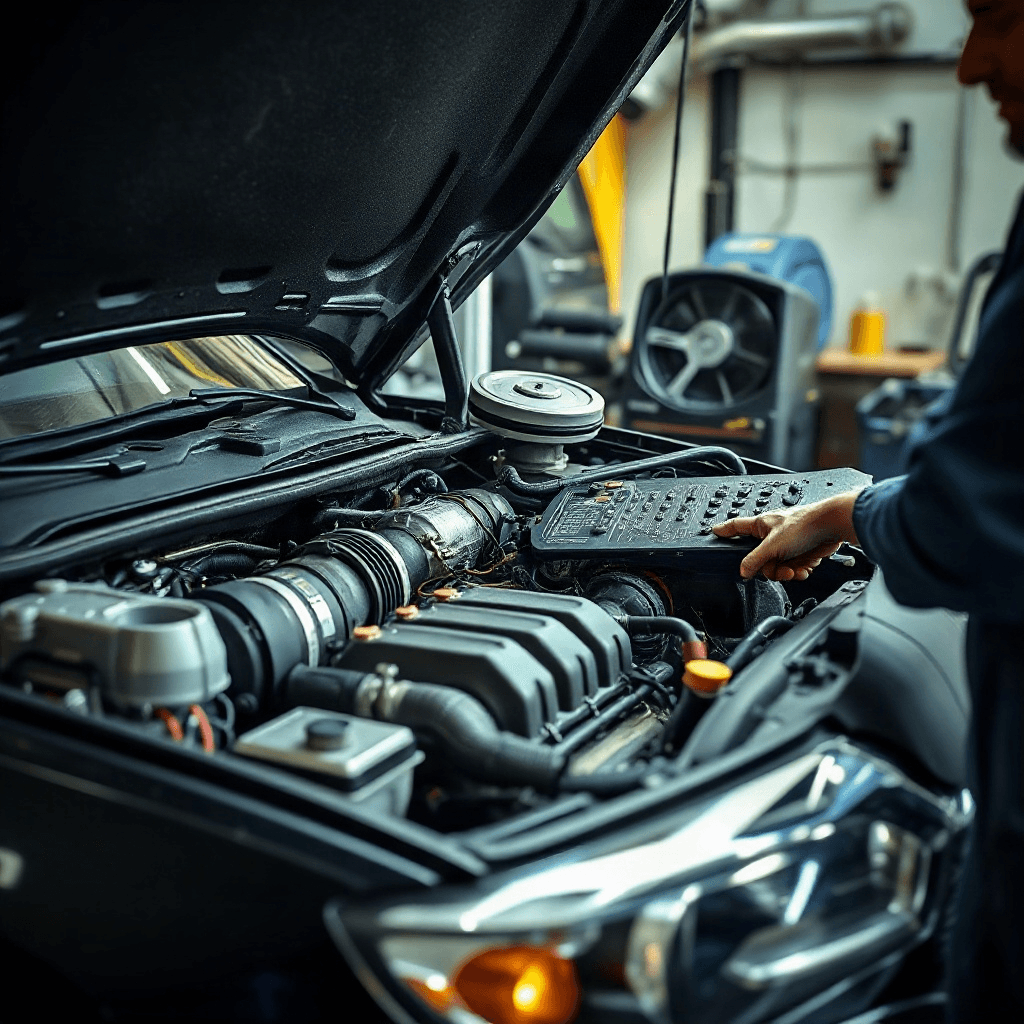
While it’s possible to address many engine performance issues with basic mechanical knowledge, sometimes the complexity of the problem necessitates professional intervention. Automotive technicians have access to advanced diagnostic tools that can identify issues which might not be apparent to the naked eye. When all else fails, seeking professional diagnostics can provide clarity and potentially uncover problems that were previously overlooked. Remember, maintaining vehicle performance is not just about addressing issues as they arise, but also about regular inspections and preventative maintenance.