Jeep P0300: Prioritizing Checks for a Random or Multiple-Cylinder Misfire
When Jeep owners encounter the P0300 error code, it signals a random or multiple-cylinder misfire. This issue can be perplexing due to its sporadic nature, but addressing it promptly is crucial for maintaining vehicle health. The P0300 code can lead to performance issues, decreased fuel efficiency, and increased emissions. Understanding the underlying causes and prioritizing the necessary checks can facilitate a more effective troubleshooting process. This article will guide them through the essential steps required to address a P0300 error in a Jeep.
Understanding the P0300 Error Code
The P0300 error code indicates random or multiple-cylinder misfires detected by the vehicle’s onboard diagnostics system. This code is a generic powertrain code that applies to all OBD-II-equipped vehicles, although its appearance in a Jeep might have specific nuances. Misfires occur when the air-fuel mixture in a cylinder fails to ignite properly, leading to incomplete combustion. This can result from various factors, including problems with the ignition system, fuel delivery, or engine timing. Recognizing the symptoms associated with this error is the first step towards a successful diagnosis and repair.
Diagnosing the Ignition System
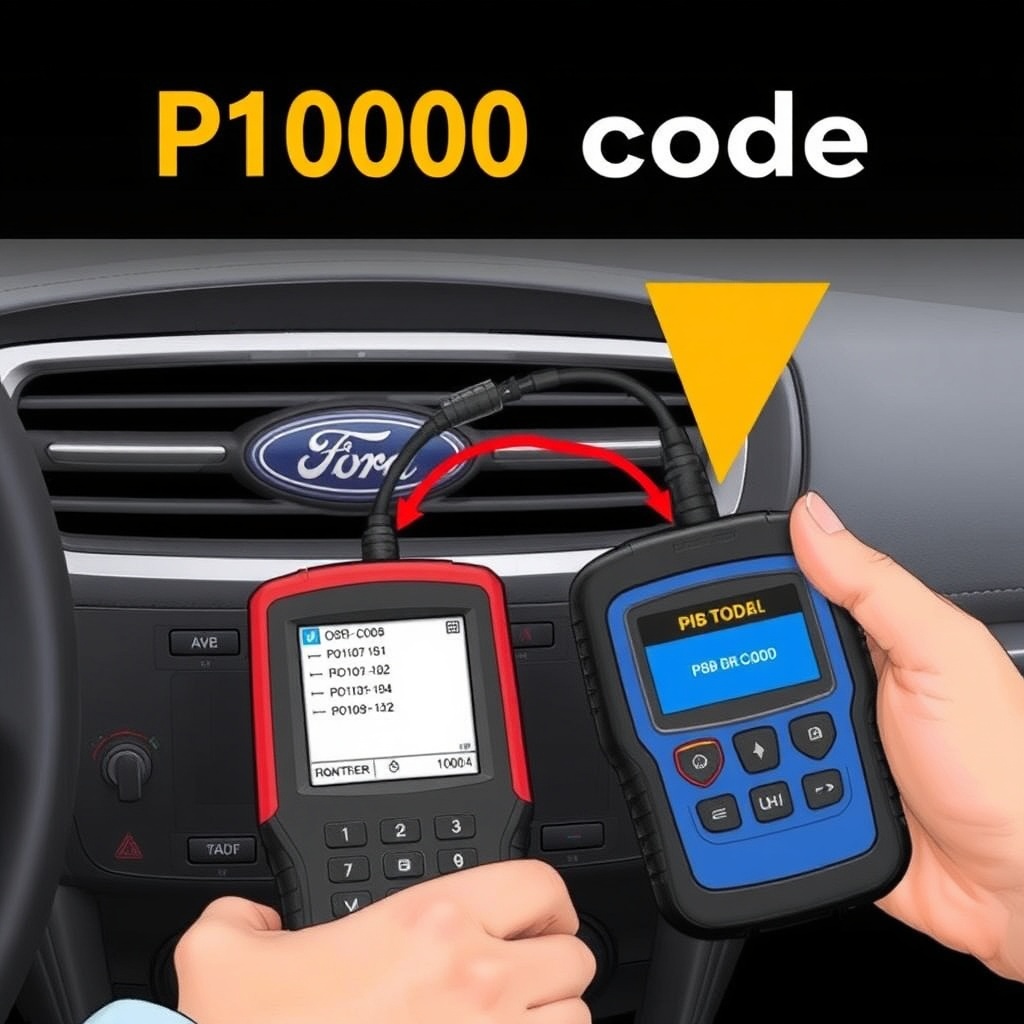
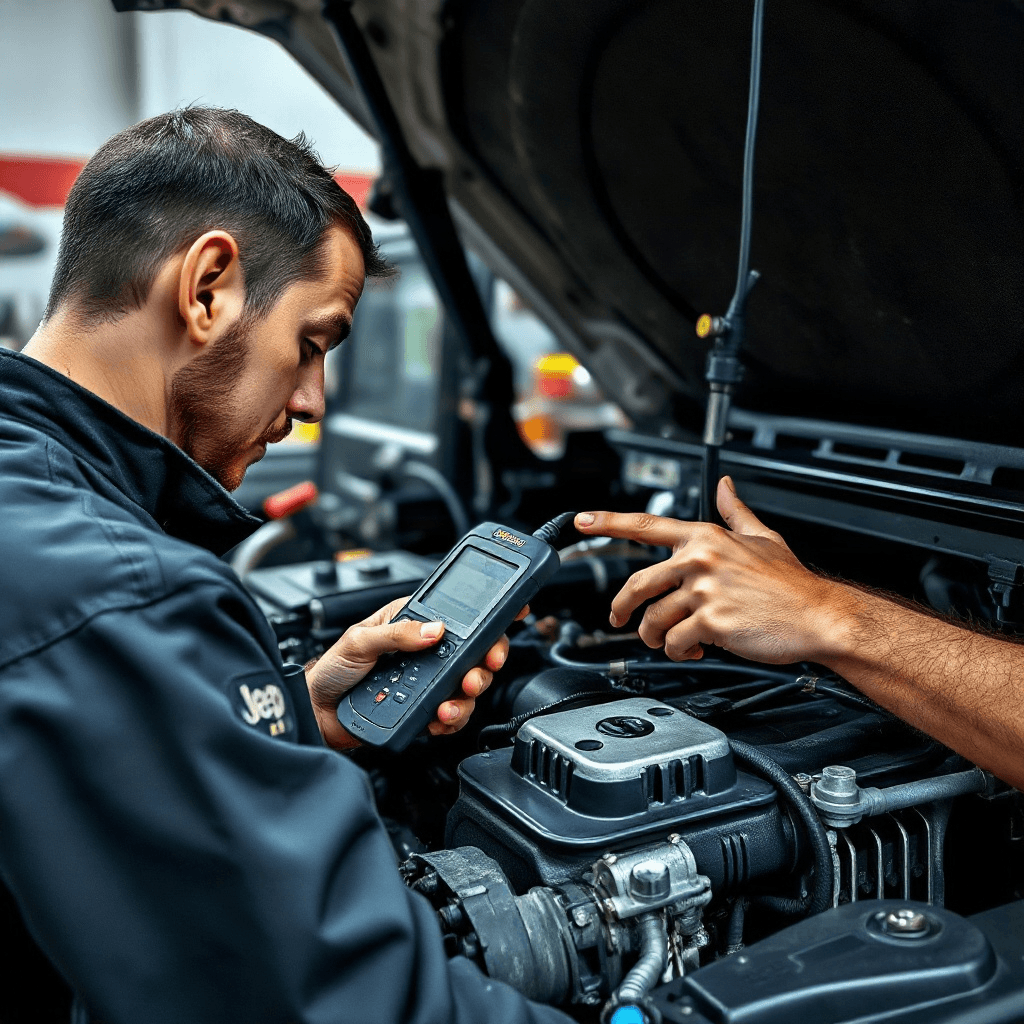
In many cases, the ignition system is the primary suspect when dealing with a P0300 code. They should begin by inspecting the spark plugs and ignition coils, as worn or faulty components can lead to misfires. Replacing spark plugs is a relatively simple task that can resolve misfire issues if they are the root cause. Additionally, they should check the ignition wires and distributor cap, if applicable, to ensure that electricity is reaching each cylinder effectively. Using an OBD-II scanner can provide valuable insights into which cylinders are misfiring, allowing for a more targeted approach to repairs.
Evaluating Fuel Delivery
Fuel delivery issues are another common cause of the P0300 error code. They should assess the fuel injectors for clogging or damage, as these can prevent the correct amount of fuel from reaching the combustion chamber. Cleaning or replacing faulty injectors can often resolve misfire problems. Furthermore, they should examine the fuel pump and fuel filter to ensure adequate fuel pressure is being maintained throughout the system. Inconsistent fuel delivery can lead to performance issues and exacerbate the misfire situation.
Inspecting the Engine Control Module
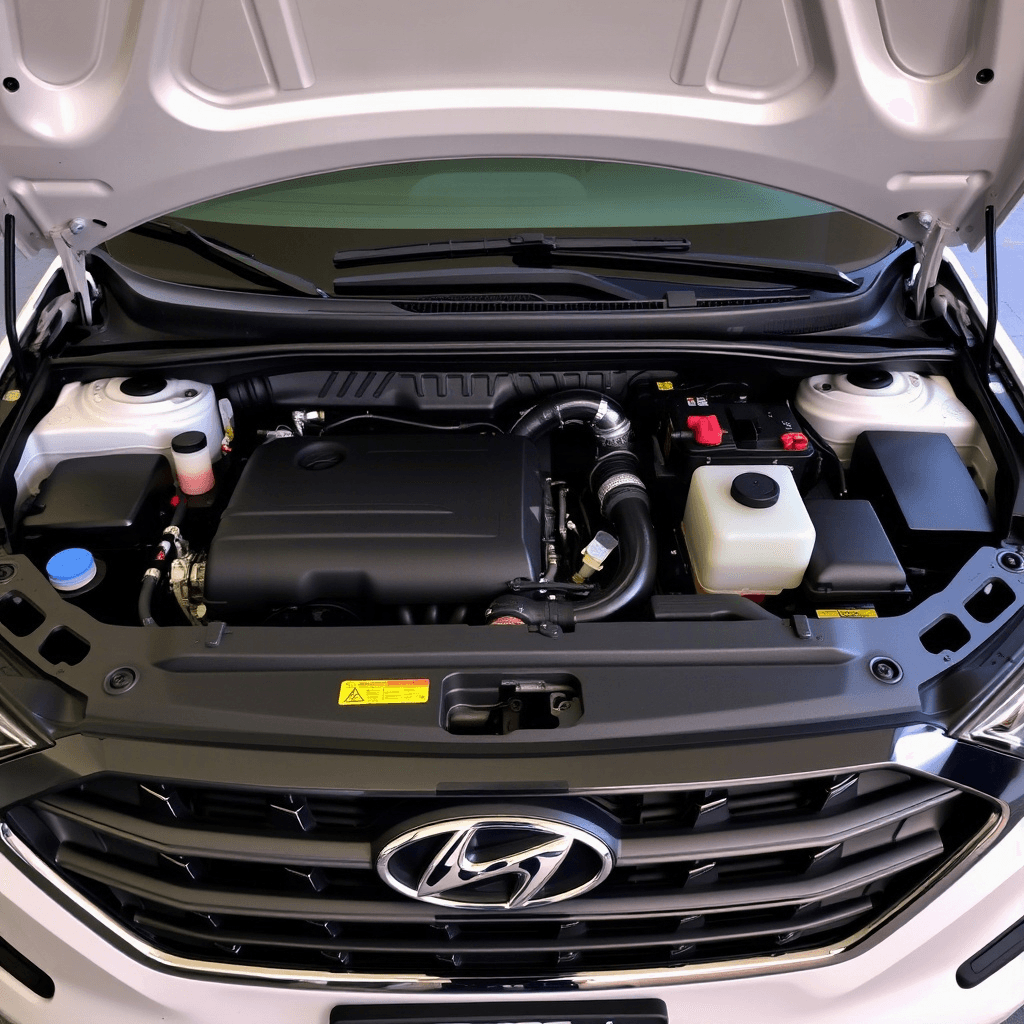
The Engine Control Module (ECM) plays a critical role in managing engine operations, including ignition timing and fuel delivery. A malfunctioning ECM can lead to misfires by providing incorrect signals to the engine components. They should consider scanning the ECM for error codes beyond the P0300 to identify any anomalies that may affect engine performance. In some cases, reprogramming or replacing the ECM may be necessary to restore proper functionality. Consulting a professional mechanic can provide further insights into complex ECM issues.
Addressing Vacuum Leaks
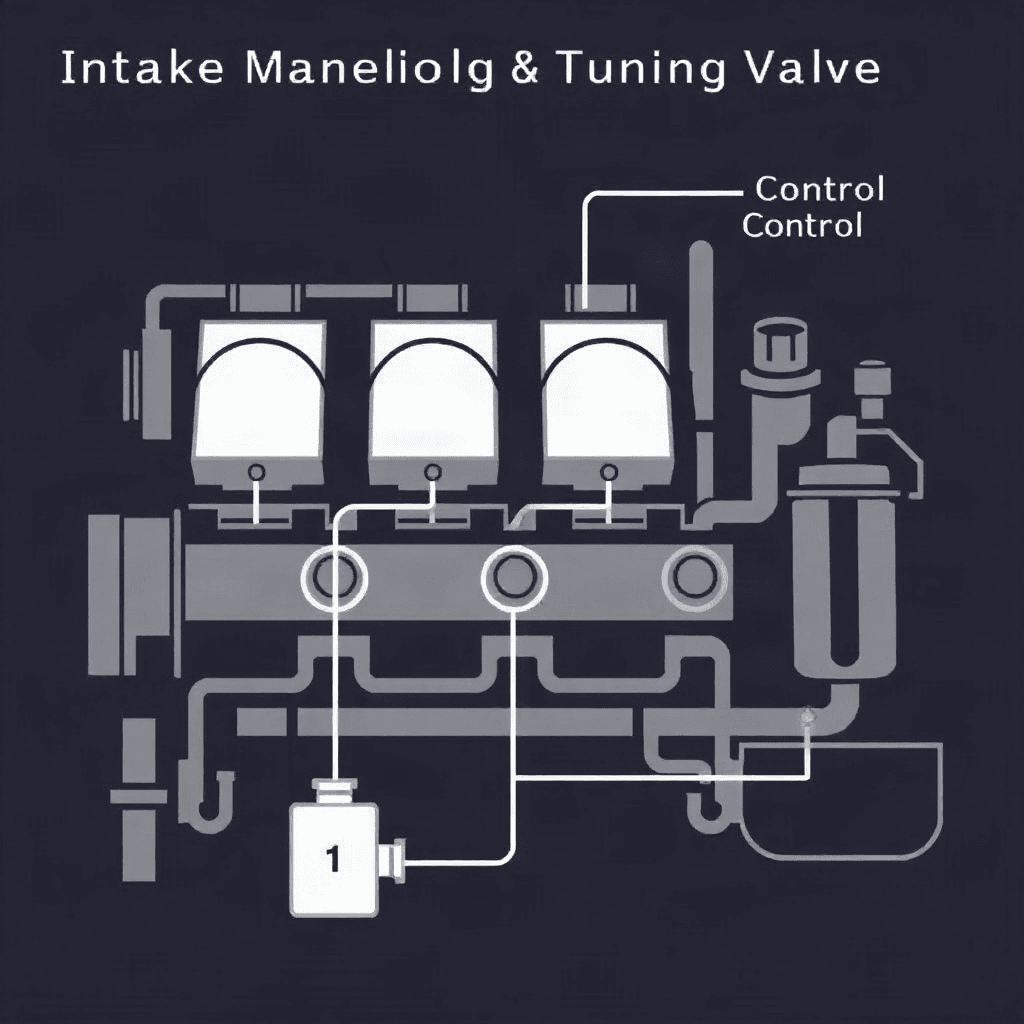
Vacuum leaks can disrupt the air-fuel mixture balance, leading to misfires and the P0300 error code. They should thoroughly inspect all vacuum hoses and connections for cracks or disconnections. A smoke test can be an effective diagnostic tool to detect leaks that are not immediately visible. Once identified, replacing or repairing damaged hoses can restore the intended air intake levels and eliminate misfire occurrences. Addressing vacuum leaks promptly can prevent further engine complications and restore optimal vehicle performance.
Monitoring Engine Timing
Finally, incorrect engine timing can lead to a P0300 error code by causing misfires across multiple cylinders. They should verify the timing chain or belt’s condition and alignment to ensure it is operating as the manufacturer intended. A timing light can assist in checking the ignition timing to ensure it is firing at the correct intervals. If timing discrepancies are detected, adjusting or replacing the timing chain or belt may be necessary. Proper engine timing is essential for efficient combustion and overall engine health.
In conclusion, addressing a P0300 error code in a Jeep requires a systematic approach to identify and rectify the root cause. By prioritizing checks on the ignition system, fuel delivery, ECM, vacuum leaks, and engine timing, they can effectively resolve misfires and maintain their vehicle’s performance. For more in-depth guidance, they can refer to related resources such as [Jeep Engine Diagnostics Guide].