How to Diagnose a P0442 EVAP Small Leak with a Smoke Test
Diagnosing automotive issues can often feel like solving a complex puzzle, especially when it comes to emissions-related problems. One of the common diagnostic trouble codes (DTCs) that mechanics encounter is the P0442 code, which indicates a small leak in the EVAP (Evaporative Emission Control System). This code suggests a minor vacuum leak, often elusive and challenging to pinpoint without the right technique. One effective method to diagnose this issue is through a smoke test. A smoke test allows technicians to visually identify leaks by filling the system with smoke and observing where it escapes. This article delves into the intricacies of diagnosing a P0442 EVAP small leak using a smoke test, offering insights into the process and its benefits.
Understanding the EVAP System
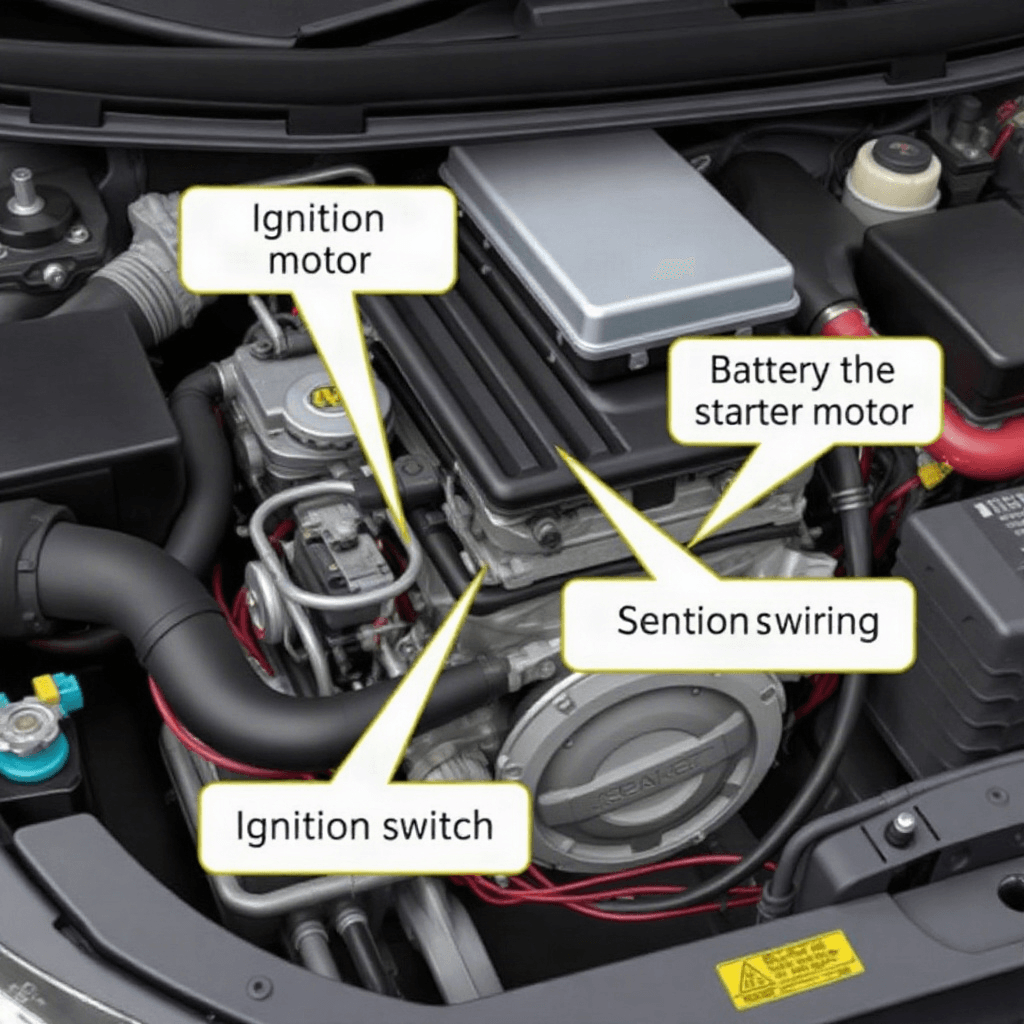
The EVAP system plays a crucial role in preventing harmful fuel vapors from escaping into the atmosphere. It captures these vapors from the fuel tank and stores them in a charcoal canister. The system later introduces them into the engine for combustion. A small leak in this system, signaled by the P0442 code, can lead to increased emissions and reduced fuel efficiency. Understanding the components of the EVAP system is vital for an accurate diagnosis. It includes the fuel tank, gas cap, vent valve, purge valve, and various hoses. A smoke test can help identify leaks in any of these components, making it an indispensable tool for technicians.
Preparing for a Smoke Test
Before conducting a smoke test, certain preparations are necessary. First, the vehicle should be parked in a well-ventilated area, and the engine should be cool. The smoke machine needs to be set up according to the manufacturer’s instructions, ensuring all connections are secure to avoid false readings. It’s also crucial to check the fuel tank cap and ensure it’s properly sealed, as a loose cap can trigger the P0442 code. By preparing meticulously, he can ensure the accuracy of the smoke test, leading to a more efficient diagnosis of the EVAP system leak.
Conducting the Smoke Test
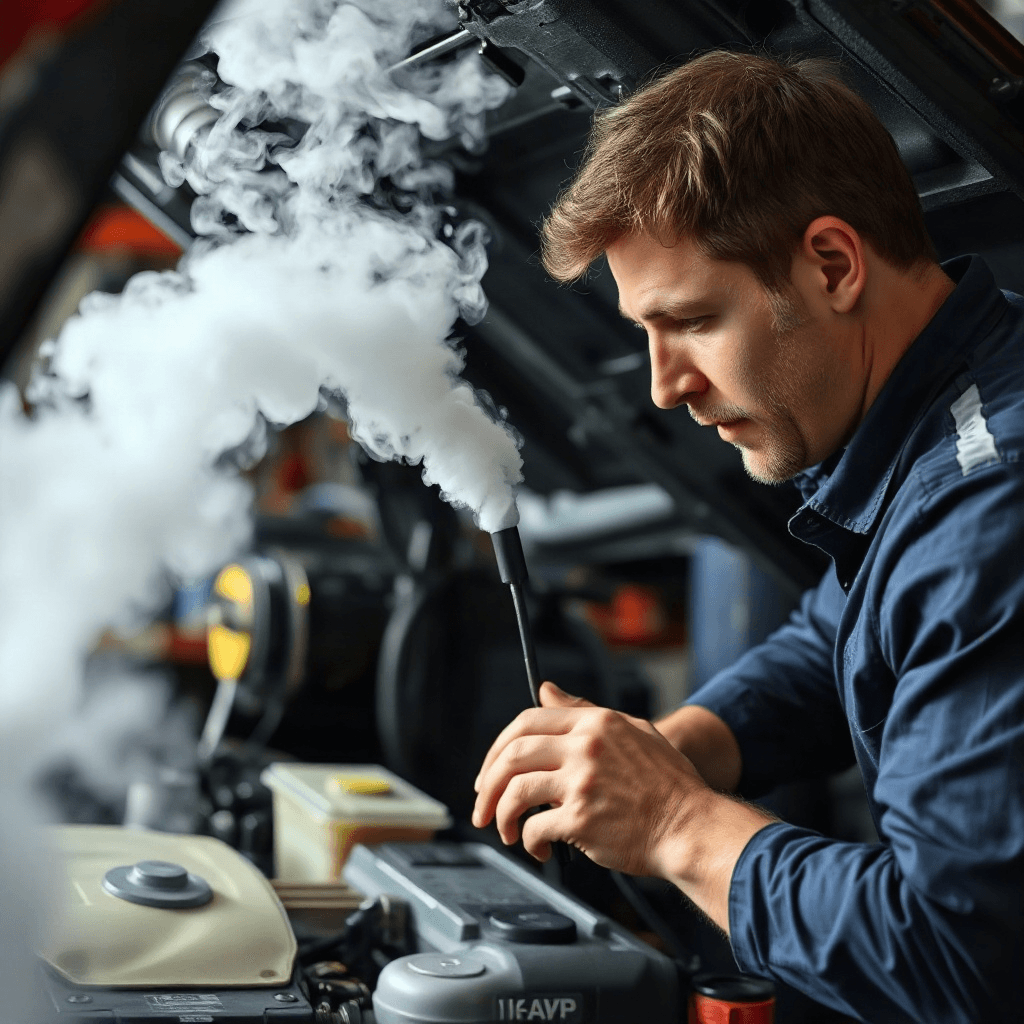
Once prepared, he can begin the smoke test by connecting the smoke machine to the EVAP system. Typically, this involves removing a hose and attaching the smoke machine’s nozzle to the system’s test port. As smoke is introduced, it will fill the system and escape through any leaks. It’s important to observe the entire system, including hoses, the canister, and valves, for any visible smoke. This step requires patience and attention to detail, as small leaks may produce only a faint wisp of smoke. By thoroughly examining the system, he can pinpoint the exact location of the leak.
Analyzing the Results
After the smoke test, analyzing the results is crucial. If smoke is visible, he should carefully inspect the area to determine the cause of the leak. Common culprits include cracked hoses, loose connections, or faulty valves. In some cases, the issue may be as simple as a worn-out gas cap. By identifying the source of the leak, he can proceed with the necessary repairs or replacements. This analysis not only resolves the P0442 code but also ensures the EVAP system functions efficiently, reducing emissions and improving fuel economy.
Addressing the Leak
Once the leak source is identified, it’s time to address the issue. Repair methods vary depending on the component affected. For instance, replacing a damaged hose or tightening a loose connection might be sufficient. However, if the leak is due to a faulty valve, he may need to replace the component entirely. It’s essential to use high-quality parts to ensure the longevity and reliability of the repair. Addressing the leak promptly not only clears the P0442 code but also prevents potential environmental hazards associated with fuel vapor emissions.
Verifying the Repair
After completing the repairs, it’s crucial to verify their effectiveness. He should conduct a second smoke test to ensure no leaks remain in the EVAP system. Additionally, clearing the DTC from the vehicle’s computer and performing a road test can confirm that the P0442 code does not reappear. This step is vital for validating the repair and ensuring customer satisfaction. Successfully diagnosing and repairing the EVAP system not only resolves the immediate issue but also contributes to a cleaner environment and more efficient vehicle operation.