How to Diagnose Intermittent Gateway Module Communication Faults

Diagnosing intermittent gateway module communication faults is a complex and often frustrating task for automotive technicians. These faults can lead to various vehicular issues, ranging from dashboard warnings to significant performance drops. Understanding the intricacies of these communication issues, and how to efficiently diagnose them, is crucial for timely and effective resolution. Intermittent faults are particularly challenging because they may not always be present during diagnostic testing, making it difficult to pinpoint their source. In this technical review, we will explore the methodology and tools available to diagnose such issues effectively, providing insights for both seasoned professionals and those new to the field.
Understanding Gateway Module Functionality
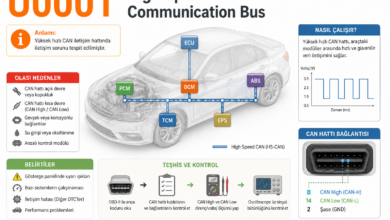
The gateway module, often considered the central nervous system of a vehicle’s electronic architecture, plays a pivotal role in managing communication between various control modules. It functions by routing data and ensuring that electronic control units (ECUs) can communicate without interference. When there is a communication fault, it can manifest in various ways, such as erratic behavior of electronic systems or complete system failures. Understanding the functionality of the gateway module is essential to diagnose its faults accurately. Technicians must be familiar with the vehicle’s network topology to interpret diagnostic trouble codes (DTCs) correctly. This foundational knowledge helps in narrowing down potential causes of communication interruptions.
Identifying Symptoms of Communication Faults
The symptoms of intermittent gateway module communication faults can vary widely, making them difficult to diagnose without a systematic approach. Common indicators include random warning lights, inconsistent operation of electronic systems, and sporadic loss of functionality in specific vehicle components. These symptoms can appear and disappear without a clear pattern, complicating the diagnostic process. Technicians should perform a comprehensive assessment, considering all possible variables, including recent repairs, environmental conditions, and the vehicle’s operational history. Documenting symptoms meticulously can aid in correlating them to specific fault codes, ultimately guiding the diagnosis.
Utilizing Diagnostic Tools and Software
Advanced diagnostic tools and software are indispensable when dealing with intermittent communication faults. Modern diagnostic equipment can scan the vehicle’s network, retrieve DTCs, and monitor live data streams, offering invaluable insights into the vehicle’s electronic systems. These tools allow technicians to perform tests under simulated conditions, which may not naturally occur during regular diagnostics. For effective troubleshooting, it is crucial to keep diagnostic tools updated with the latest software versions, as manufacturers frequently release updates addressing known issues. Proper tool utilization can significantly reduce the time and effort spent on diagnosing complex communication faults.
Analyzing Data and Isolating the Issue
Once diagnostic data is collected, the next step involves analyzing it to isolate the root cause of the communication fault. This process requires a systematic approach, often beginning with the most straightforward potential issues, such as loose connections or damaged wiring. From there, technicians can progress to more complex possibilities like faulty modules or software bugs. Cross-referencing collected data with technical service bulletins (TSBs) and manufacturer guidelines can provide additional context and potential solutions. The goal is to narrow down the potential causes methodically, ensuring that no possibility is overlooked.
Implementing Effective Solutions and Repairs
After isolating the issue, implementing the correct solution is paramount. Depending on the diagnosis, this could range from simple repairs like securing loose connectors to more involved procedures such as reprogramming or replacing modules. It is essential to follow manufacturer guidelines and procedures to ensure that repairs do not introduce new issues. Testing the vehicle post-repair is critical to confirm that the fault has been resolved and that all systems are functioning as intended. Technicians should also document the repair process thoroughly for future reference and warranty purposes.
Preventive Measures and Best Practices
To minimize the occurrence of intermittent gateway module communication faults, adopting preventive measures and best practices is advisable. Regular maintenance checks, including inspecting wiring harnesses and connections, can help detect potential issues before they develop into significant faults. Staying informed about common issues with specific vehicle makes and models through TSBs and industry publications can also be beneficial. Additionally, continuous education and training for technicians ensure they are equipped with the latest knowledge and skills to handle evolving automotive technologies effectively. By proactively addressing potential issues and fostering a culture of continuous learning, the incidence of communication faults can be significantly reduced.