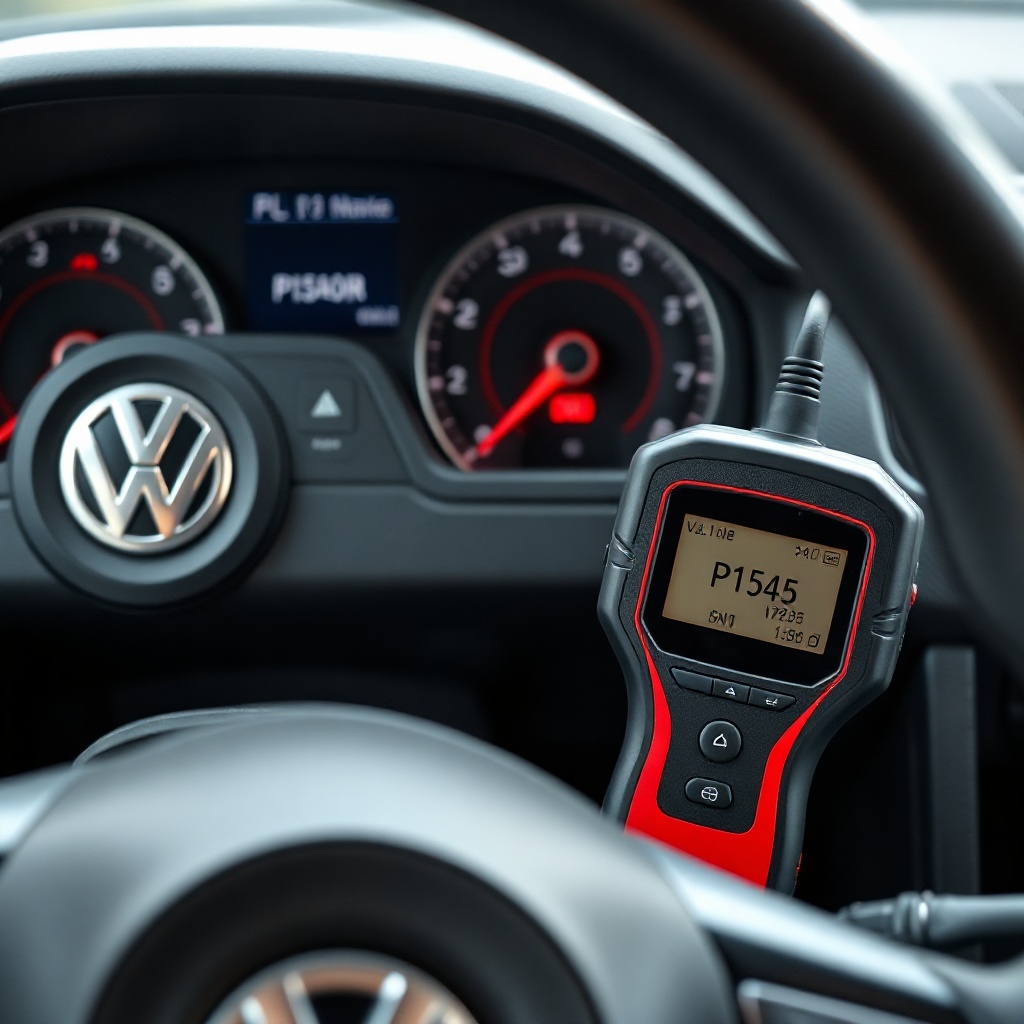
Honda Enhanced OBD-II Codes: When a Basic Reader Misses Useful Detail
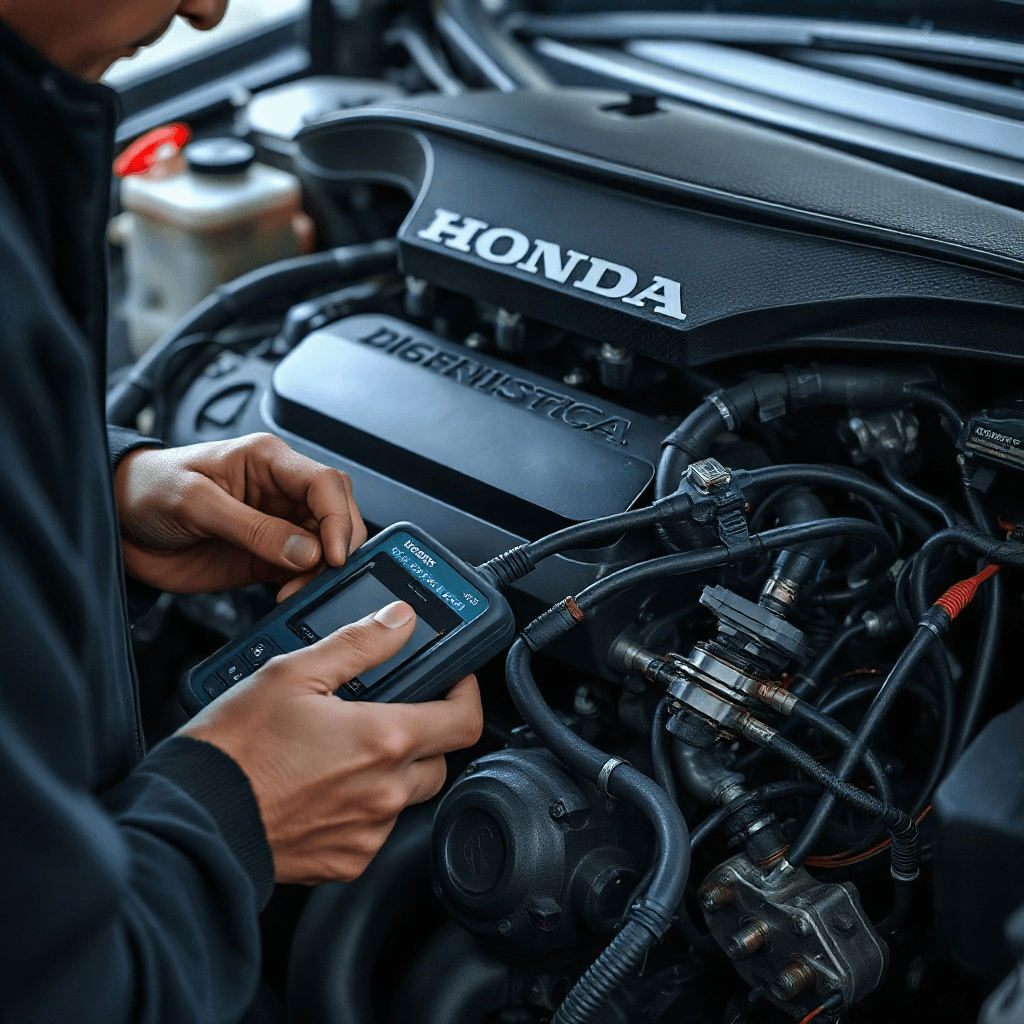
In the realm of automotive diagnostics, understanding the nuances of onboard diagnostics (OBD-II) is crucial for ensuring optimal vehicle performance and timely maintenance. Many of you, as Honda owners or enthusiasts, might be familiar with the basic OBD-II code readers, which are instrumental in identifying issues within your vehicle’s electronic systems. However, there’s a layer of enhanced diagnostics that these basic readers might miss, particularly when it comes to specific manufacturer codes that provide deeper insights into your vehicle’s health. In this article, we explore how Honda’s enhanced OBD-II codes can be a game-changer for your car maintenance routine and why relying solely on basic readers might leave you in the dark.
Understanding the Limitations of Basic OBD-II Readers
Basic OBD-II code readers serve as an essential tool for any vehicle owner by providing a glimpse into the car’s electronic brain. They can identify general issues and trigger the check engine light when something goes awry. Despite their utility, these readers are limited in scope, as they typically only access generic codes that apply to multiple makes and models. As a result, they might overlook specific manufacturer codes that are unique to Honda vehicles. This limitation can hinder your ability to perform comprehensive diagnostics, potentially leading to misdiagnoses or overlooked issues. Enhanced OBD-II codes, on the other hand, allow for a more nuanced understanding of vehicle-specific problems, offering insights that are crucial for effective maintenance.
The Importance of Enhanced Diagnostics for Honda Vehicles
Honda’s enhanced OBD-II codes are specifically tailored to address the unique engineering and electronic systems present in their vehicles. These codes go beyond the generic trouble codes, providing specific information about issues related to Honda’s proprietary systems, such as the VTEC (Variable Valve Timing and Lift Electronic Control) system. For instance, an enhanced code might reveal detailed information about a sensor malfunction or an issue within the transmission that a basic reader would not detect. By leveraging these enhanced diagnostics, technicians and vehicle owners can pinpoint problems with greater precision, ultimately saving time and money by addressing issues before they escalate.
Navigating the Complexity of Enhanced Codes
While the utility of enhanced OBD-II codes is evident, accessing and interpreting them requires more sophisticated tools and expertise than the average code reader offers. This complexity can be daunting for many vehicle owners who may not have the technical background to understand the detailed information these codes provide. However, investing in a more advanced diagnostic tool or consulting with a professional technician who has access to manufacturer-specific diagnostic software can be invaluable. These resources can help you navigate the complexities of enhanced diagnostics, ensuring that you make informed decisions about your vehicle’s maintenance needs.
Practical Implications for Maintenance and Repairs
For those of you who are proactive about vehicle maintenance, understanding and utilizing enhanced OBD-II codes can significantly impact your approach. With access to detailed diagnostics, you can anticipate potential issues and address them proactively, rather than reacting to problems once they become severe. This proactive approach not only extends the lifespan of your vehicle but also enhances its performance and reliability. Moreover, understanding these codes can improve communication with your mechanic, allowing for more precise and efficient repairs. By providing insight into specific issues, enhanced diagnostics help you and your technician focus on the root cause of a problem, rather than just its symptoms.
Costs and Benefits of Investing in Enhanced Diagnostics
While the initial investment in tools capable of reading Honda’s enhanced OBD-II codes might seem substantial, the long-term benefits far outweigh the costs. Better diagnostics lead to more accurate repairs, which in turn reduces the risk of repeat issues and the associated costs of continuous repairs. Additionally, maintaining your vehicle’s health through detailed diagnostics can enhance its resale value, as prospective buyers often seek well-maintained vehicles with documented histories of professional care. For those of you who see your vehicle as an investment, the ability to access and interpret enhanced codes is a worthwhile endeavor.
Future Trends in Vehicle Diagnostics
As automotive technology continues to evolve, the importance of advanced diagnostics becomes increasingly evident. The trend towards more complex vehicle systems, including hybrid and electric models, necessitates a deeper understanding of onboard diagnostics. Honda and other manufacturers are likely to continue developing enhanced diagnostic capabilities to keep pace with technological advancements. Staying informed about these trends and understanding how to leverage enhanced diagnostics will be crucial for vehicle owners looking to maintain their cars in optimal condition. As the industry progresses, those of you who embrace these advancements will be better equipped to navigate the challenges of modern vehicle maintenance.