B1510 Code: Headlamp Control Circuit Malfunction

In the intricate world of automotive diagnostics, the B1510 code emerges as a silent yet potent indicator of a headlamp control circuit malfunction. For many, the illumination of a warning light on the dashboard can be a source of immediate concern, urging a visit to the mechanic. Yet, beyond this simple signal lies a complex narrative of automotive technology, engineering precision, and the challenges of maintaining vehicular safety and functionality. As we delve into the story of this particular diagnostic code, we uncover not just the technical aspects but also the broader implications for vehicle performance and road safety.
Understanding the Headlamp Control Circuit
The headlamp control circuit is a critical component in modern vehicles, responsible for the regulation and operation of the vehicle’s headlamps. This circuitry ensures that the headlights function correctly, adjusting for different driving conditions, and maintaining safety during nighttime travel. When the B1510 code appears, it serves as an alert that there is a malfunction within this circuit. This could be due to a variety of reasons, such as a faulty relay, a corroded connector, or even a blown fuse. Understanding the headlamp control circuit requires not just a grasp of its components but also an appreciation for its role in vehicle safety, as headlamps are crucial for visibility and accident prevention.
Diagnosing the B1510 Code
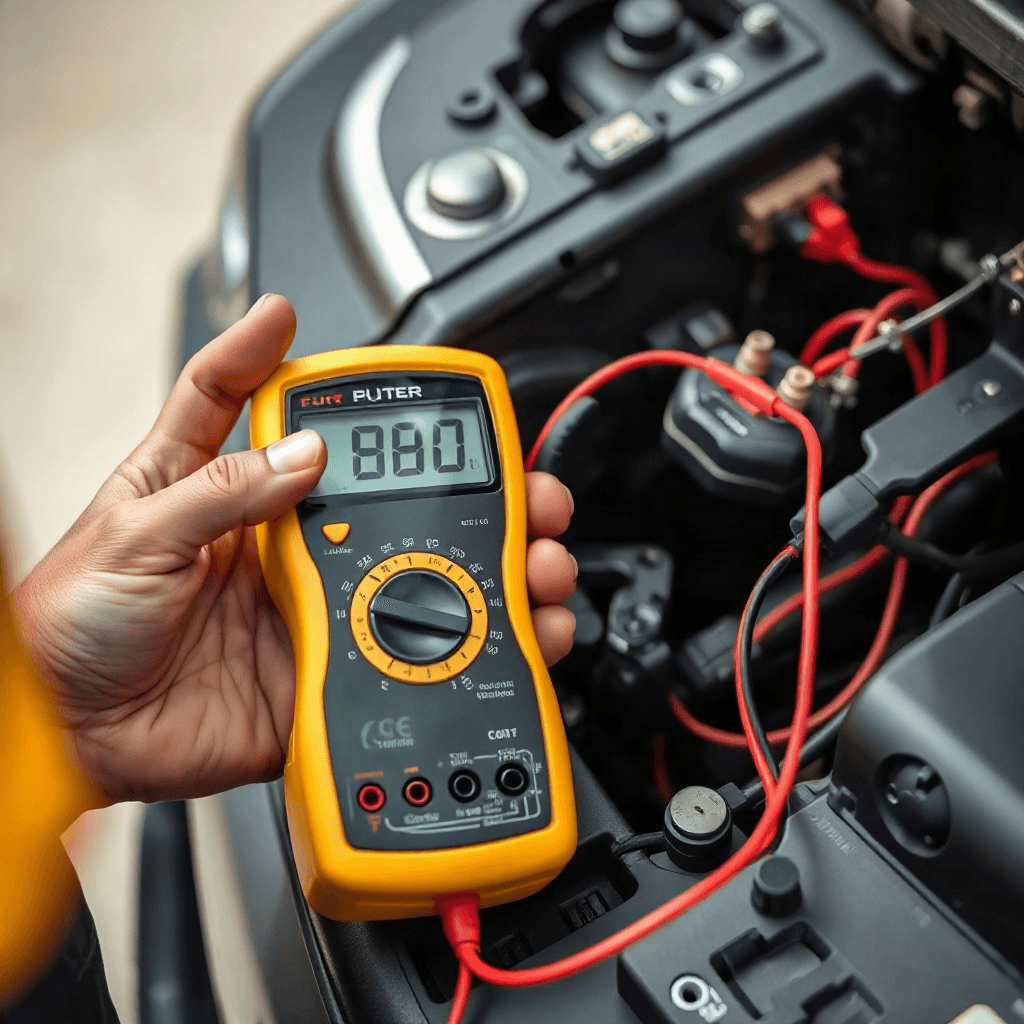
Diagnosing the B1510 code involves a systematic approach, employing both advanced diagnostic tools and traditional troubleshooting techniques. The first step often includes connecting an OBD-II scanner to the vehicle’s onboard computer to confirm the presence of the code and gather additional data. Technicians then proceed to inspect the physical components of the headlamp circuit, checking for any visible signs of wear or damage. This process may involve testing the voltage and continuity of the circuit, examining the condition of wires and connectors, and verifying the integrity of the headlamp relay. The diagnosis of this code is not solely a mechanical task; it requires a keen analytical mindset and a thorough understanding of electrical systems.
The Impact of a Malfunction
The implications of a malfunction within the headlamp control circuit extend beyond mere inconvenience. A vehicle with non-functional or erratic headlamps poses a significant risk on the road, reducing the driver’s ability to see and be seen by others. This can lead to dangerous situations, especially in low-light conditions or adverse weather. Moreover, headlamp malfunctions could result in legal repercussions, as functioning vehicle lights are a requirement by law in most regions. Consequently, addressing a B1510 code is not just about maintaining vehicle functionality but ensuring compliance with safety regulations and protecting the well-being of all road users.
Repairing the Circuit Malfunction
Repairing a headlamp control circuit malfunction involves both replacing faulty components and rectifying any underlying issues that may have led to the failure. Once the diagnostic process identifies the problematic elements—whether it be a damaged relay, corroded connectors, or defective wiring—technicians proceed to replace these components with new, reliable parts. In some cases, it might be necessary to update the vehicle’s software to ensure optimal performance of the headlamp system. A successful repair not only resolves the immediate issue but also restores the vehicle to its intended safety standards, providing peace of mind to the driver.
Preventive Maintenance and Best Practices
Preventive maintenance plays a crucial role in avoiding the recurrence of the B1510 code. Regular inspections of the vehicle’s lighting system can help identify potential issues before they develop into significant problems. Keeping connectors clean and free from corrosion, ensuring that fuses and relays are in good condition, and periodically testing the headlamp operation are all part of a comprehensive maintenance strategy. Vehicle owners can also benefit from staying informed about their vehicle’s specific requirements and following manufacturer recommendations for service intervals and component replacements. Such proactive measures contribute to the longevity of the vehicle and enhance overall safety on the road.
The Broader Implications for Automotive Technology
The story of the B1510 code is a microcosm of the broader challenges faced in automotive technology. As vehicles become increasingly complex, with advanced electronic systems and integrated technologies, the potential for technical issues rises. This underscores the importance of skilled technicians who can navigate these complexities and ensure that vehicles remain safe and reliable. Moreover, it highlights the need for ongoing education and training in the automotive sector to keep pace with technological advancements. The B1510 code, while specific in its focus, serves as a reminder of the intricate interplay between technology, safety, and the human expertise required to maintain the balance.