Car Loses Power on Hills: How to Check Air, Fuel, and Exhaust Flow
When you’re driving up a hill and suddenly feel your car losing power, it can be both frustrating and concerning. This loss of power might be a symptom of underlying issues related to air, fuel, or exhaust flow systems. By understanding these components and how they can affect engine performance, you can diagnose the problem and take necessary actions. In this article, we will explore how to address these issues by checking each system comprehensively. Your car’s ability to deliver consistent power is essential not just for performance but also for safety, and recognizing the signs early can prevent costly repairs down the road.
Understanding Air Flow in Your Cars Engine
Effective engine performance begins with optimal air intake. Your car’s engine requires a precise mix of air and fuel to operate efficiently. A clog in the air filter can restrict airflow, leading to a rich fuel mixture and eventually causing power loss, especially noticeable on inclines. Begin by inspecting your air filter for dirt and debris; a simple replacement might be the solution. Furthermore, make sure to check the mass airflow sensor, which can become faulty or dirty, disrupting the air-fuel balance. Regular maintenance of these components ensures that your engine receives the proper amount of air, maintaining its performance and efficiency.
Assessing the Fuel System for Issues
The fuel system is equally crucial in preventing power loss. Inadequate fuel delivery can stem from a variety of issues such as a failing fuel pump, clogged fuel injectors, or a dirty fuel filter. Start by listening for unusual noises from the fuel pump, which could indicate wear or failure. You should also inspect the fuel injectors for blockages that can reduce their efficiency. A fuel pressure test can help diagnose pressure issues within the system. Regularly replacing the fuel filter can prevent clogs and ensure a steady flow of clean fuel to the engine, thereby maintaining optimal performance even during demanding driving conditions like climbing hills.
Importance of the Exhaust System
The exhaust system plays a pivotal role in engine performance by expelling gases efficiently. A blocked or damaged exhaust can cause back pressure, reducing engine efficiency and power. Check your exhaust system for rust, leaks, or any visible damage. Pay particular attention to the catalytic converter, which can become clogged and restrict exhaust flow. A simple diagnostic test can reveal issues with exhaust back pressure. Ensuring that your exhaust system is in good condition not only improves performance but also reduces harmful emissions and complies with environmental regulations.
Diagnosing Sensor and Electronic Failures
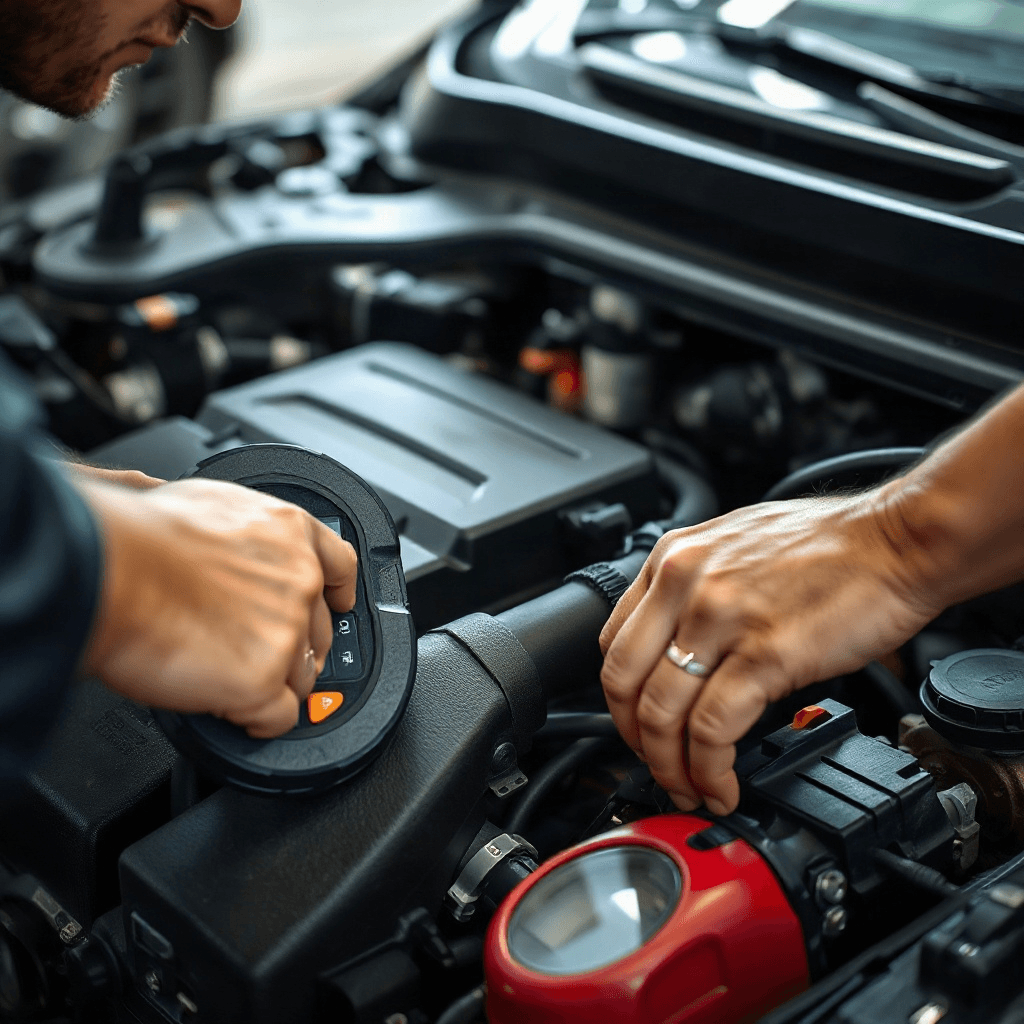
Modern vehicles rely heavily on electronic sensors to manage engine performance. A malfunctioning oxygen sensor, for instance, can misinterpret air-fuel ratios and cause power loss. Similarly, issues with the throttle position sensor can affect acceleration. Utilize a diagnostic tool to check for any error codes related to these sensors. Addressing electronic faults is often less about replacing parts and more about recalibrating or cleaning existing components. Keeping these sensors in check ensures that the engine management system operates smoothly, maintaining the vehicle’s power output under various driving conditions.
Regular Maintenance and Its Impact on Power
Preventive maintenance is key to avoiding sudden power loss on hills. Regularly scheduled check-ups allow you to catch small issues before they become major problems. Consistently changing air and fuel filters, inspecting spark plugs, and cleaning sensors can significantly extend the life of your engine. It’s essential to maintain a log of services performed, so you have a clear history of what has been done and when. This proactive approach not only ensures optimal power output but also enhances fuel efficiency and reduces the likelihood of unexpected breakdowns.
Seeking Professional Help When Necessary
While many issues can be resolved through regular maintenance and checks, some problems may require professional intervention. If you have diligently checked the air, fuel, and exhaust systems but still experience power loss, it might be time to consult an experienced mechanic. Professionals have the tools and expertise to conduct thorough diagnostics and identify complex issues that might not be apparent to the untrained eye. Remember, addressing power loss promptly can prevent further damage and ensure that your vehicle remains reliable and safe for all your driving needs.