Brake Lights Not Working but the Third Brake Light Works
When a vehicle’s brake lights fail to function while the third brake light remains operational, it can signal an underlying issue that requires immediate attention. Brake lights are crucial for road safety, alerting drivers behind you when you are slowing down or stopping. A malfunction could lead to dangerous situations, making it essential to diagnose and fix the problem as soon as possible. In this review, we will explore the potential causes of this specific issue, examining electrical systems, wiring, bulbs, and other components that may contribute to the malfunction. By understanding the intricacies of this problem, vehicle owners can take proactive steps to ensure their brake lights are always in optimal working condition.
Understanding the Brake Light System
The brake light system in automobiles, although seemingly simple, involves a complex interplay of components that work together to ensure safety on the road. Typically, the system includes multiple bulbs, a brake light switch, wiring, and fuses. The third brake light, often positioned higher and more centrally, is designed as an additional safety feature to provide better visibility to vehicles following behind. When the primary brake lights fail, yet the third brake light continues to function, it suggests that the overall electrical circuit is not entirely compromised. However, this anomaly points towards specific faults that could range from blown fuses to faulty wiring or burnt-out bulbs. Understanding the basic layout and function of these components is crucial for diagnosing and resolving issues effectively.
Common Causes of Malfunction
Several factors could lead to the primary brake lights not working while the third brake light remains operational. One of the most common reasons is a blown fuse. Each set of brake lights typically has its own fuse, and if it blows, it will disrupt the electrical flow to those specific lights. Another frequent culprit is faulty wiring. Over time, wires can become damaged due to wear and tear, exposure to the elements, or accidental cuts. Additionally, burnt-out bulbs are a straightforward yet often overlooked explanation. If the bulbs are not illuminated, it is essential to inspect them for signs of filament damage. Understanding these common causes can help in formulating a targeted approach to restore full functionality to the brake light system.
Diagnosing Electrical Issues
To effectively diagnose electrical issues within the brake light system, a methodical approach is required. Start by inspecting the brake light bulbs; remove them and check for any signs of burning, blackening, or broken filaments. If the bulbs appear intact, the next step is to examine the fuses associated with the brake lights. Use a multimeter to test for continuity and ensure that the fuses are in good working order. If the fuses are intact, proceed to check the wiring for any visible damage or disconnections. A systematic examination of these components can help pinpoint the root cause of the malfunction. Additionally, consulting the vehicle’s manual for specific wiring diagrams can aid in tracing and identifying issues within the electrical circuit.
Importance of Regular Maintenance
Regular vehicle maintenance plays a pivotal role in preventing brake light malfunctions and ensuring overall safety. Routine checks of the brake light system should include inspecting the bulbs, testing the fuses, and examining the wiring for any signs of wear or damage. Additionally, it’s beneficial to clean the light covers to ensure maximum visibility. Regular maintenance not only helps in preventing unexpected failures but also extends the lifespan of the vehicle’s components. By keeping a proactive stance on maintenance, drivers can avoid potential hazards on the road and maintain compliance with traffic regulations. Furthermore, understanding the importance of each component within the brake light system can empower vehicle owners to address minor issues before they escalate into major repairs.
Professional Assistance and Repair
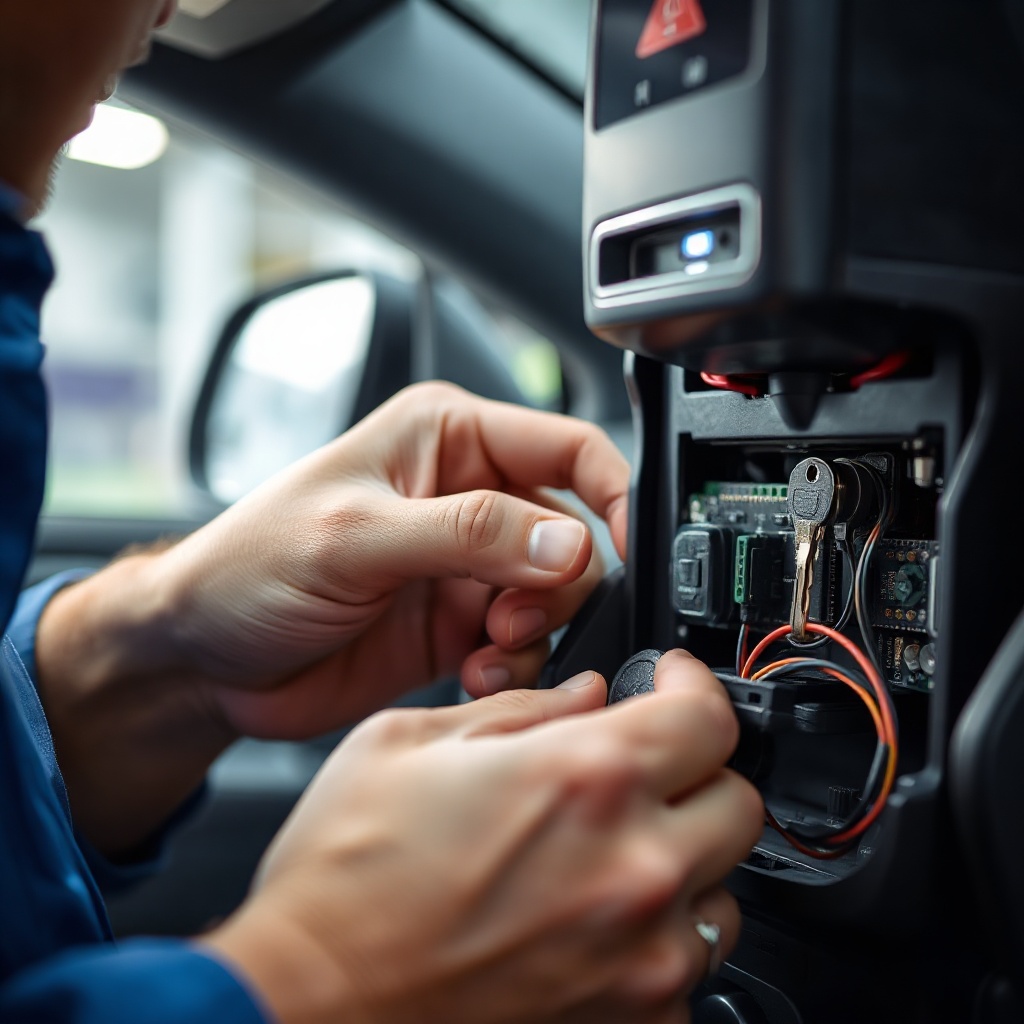
While some brake light issues can be resolved with basic tools and a good understanding of the vehicle’s electrical system, others may require professional assistance. If the problem persists after checking the bulbs, fuses, and wiring, it might be time to consult a qualified technician. Professionals have access to specialized diagnostic tools and can perform comprehensive tests to identify more complex issues such as a malfunctioning brake light switch or problems within the vehicle’s electronic control unit (ECU). Opting for professional repair not only ensures accurate diagnosis and effective solutions but also provides peace of mind knowing that the vehicle is safe to operate on the road.
Safety Implications of Ignoring the Issue
Ignoring a brake light malfunction, especially when the third brake light is still operational, can have serious safety implications. The primary brake lights provide essential signals to drivers behind, and their absence can lead to increased risk of rear-end collisions. Furthermore, driving with faulty brake lights can result in legal consequences, such as fines or penalties, as it violates traffic safety regulations. Addressing the issue promptly is not only a matter of compliance but a critical safety measure to protect oneself and others on the road. Vehicle owners should prioritize resolving brake light issues to ensure safe driving conditions and uphold their responsibility as conscientious drivers.