Honda P0012: How to Diagnose an Over-Retarded Camshaft Timing Code

Diagnosing issues with automotive engines can often seem daunting, especially when faced with a code such as the Honda P0012. This code typically indicates a problem with camshaft timing that is over-retarded, meaning the camshaft is not advancing as it should within its designated parameters. As a seasoned professional in the field of automotive journalism, I aim to delve into the complexities of this issue, providing a comprehensive guide on how to diagnose this specific problem. Understanding the intricacies of your vehicle’s engine and the potential causes of such diagnostic codes is essential for both enthusiasts and professional mechanics alike. This exploration will not only aid in better comprehension but also empower you with the knowledge to tackle this challenge efficiently.
Understanding Camshaft Timing
Camshaft timing plays a pivotal role in the internal combustion process of an engine, correlating directly with its performance and efficiency. In essence, the camshaft regulates the opening and closing of engine valves, coordinating with the crankshaft to ensure optimal engine functionality. When the timing is over-retarded, it implies that the camshaft is lagging, failing to open and close valves at the precise moments necessary for peak performance. Such a discrepancy can stem from various issues including a malfunctioning variable valve timing (VVT) solenoid, timing chain problems, or even an incorrect alignment of timing marks. Identifying these root causes requires a basic understanding of how the camshaft interacts with other engine components, emphasizing the importance of proper diagnostic procedures.
Symptoms of Over-Retarded Camshaft Timing
Recognizing the symptoms of an over-retarded camshaft timing can significantly expedite the diagnostic process. Typically, a vehicle may display reduced engine performance, noticeable as a drop in power or acceleration. Additionally, irregular idling or even stalling can occur, often accompanied by a decrease in fuel efficiency. The check engine light is your primary indicator, signaling that further investigation is needed. These symptoms not only affect the driving experience but can also lead to more severe engine issues if left untreated. Understanding these signs can help prioritize diagnostics and repairs, preventing additional damage and ensuring your vehicle operates smoothly.
Diagnostic Procedures and Tools
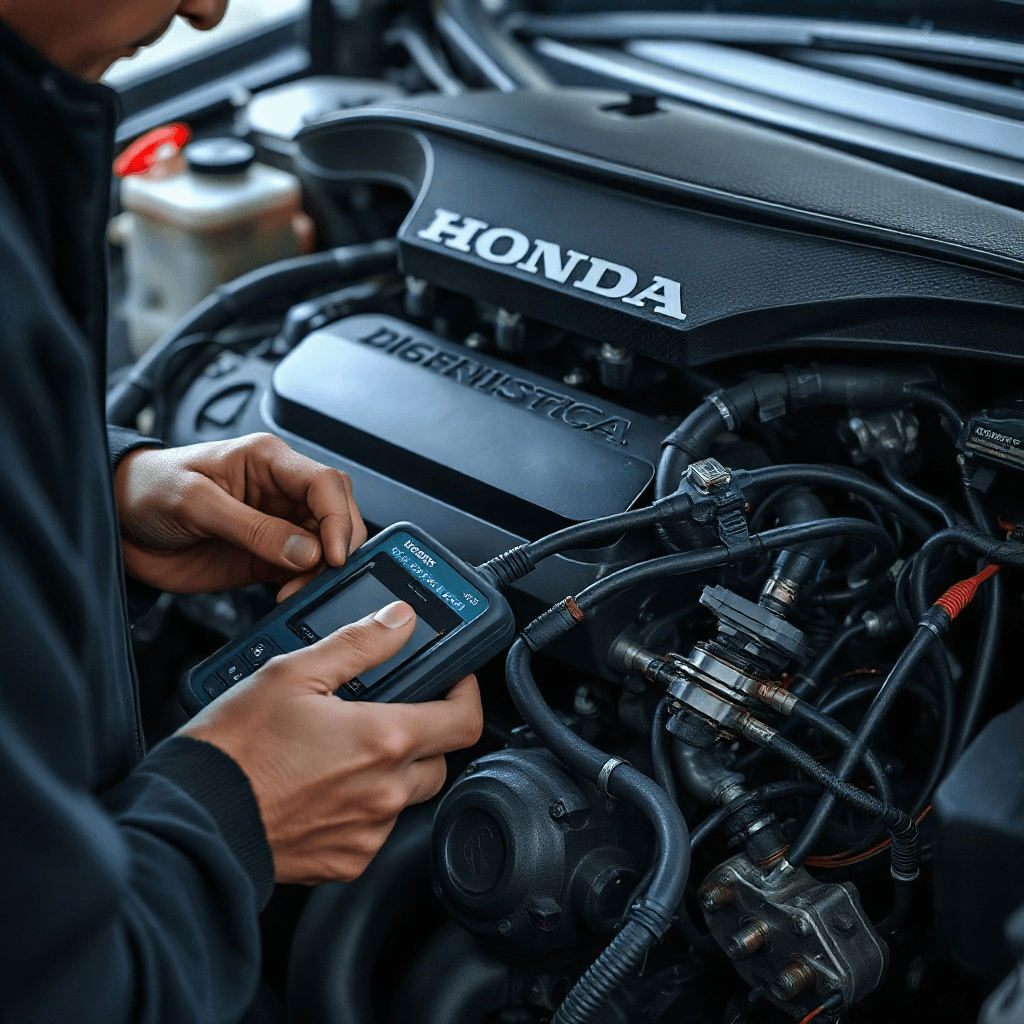
Conducting a thorough diagnostic of a P0012 code involves several steps and specialized tools. Initially, utilizing an OBD-II scanner can confirm the presence of the P0012 code and provide additional context regarding the malfunction. A visual inspection of the wiring and connections related to the camshaft position sensor and VVT solenoid is crucial to identify any physical damage or loose connections. Advanced diagnostics may require the use of a multimeter to test the electrical integrity of these components. Additionally, inspecting the timing chain for proper tension and alignment ensures that mechanical factors are not contributing to the issue. These procedural steps, combined with the correct diagnostic tools, are essential for accurately identifying the underlying cause of the problem.
Common Causes and Solutions
The origins of a P0012 code can vary, but there are common culprits that are frequently responsible. A faulty VVT solenoid is a typical offender, often requiring cleaning or replacement to restore proper function. Similarly, issues with the camshaft position sensor can lead to incorrect timing readings. Timing chain wear or misalignment is another prevalent cause, necessitating adjustment or replacement. Addressing these issues promptly is vital, as neglect can exacerbate the problem, leading to extensive engine damage or costly repairs. Implementing these solutions with precision ensures that your vehicle’s engine maintains its performance and efficiency.
Preventing Future Issues
Preventative maintenance is key to avoiding the recurrence of camshaft timing problems. Regular inspection and servicing of your vehicle’s engine components can detect wear and tear before they develop into more serious issues. Keeping up with oil changes and using the correct viscosity oil can prevent VVT solenoid and camshaft issues, as clean oil ensures proper lubrication and functionality. Staying informed about your vehicle’s recommended maintenance schedule and adhering to it can further mitigate the risk of encountering the P0012 code. By taking these proactive measures, you can ensure the longevity and optimal performance of your vehicle’s engine.
When to Seek Professional Help
While many enthusiasts enjoy the challenge of diagnosing and repairing their vehicles, there are times when seeking professional assistance is the wisest choice. Complex diagnostic procedures or repairs that involve significant disassembly should be approached with caution. Expert mechanics possess the experience and tools necessary to handle intricate issues, ensuring that repairs are both accurate and reliable. If you encounter persistent problems or lack confidence in your diagnostic abilities, contacting a professional can save time and prevent potential damage. This decision reflects a practical approach to vehicle maintenance, prioritizing both safety and efficiency.