U0073 vs. U0074: How Bus-Off Codes Identify a Network Segment

In the realm of automotive networking, understanding bus-off codes such as U0073 and U0074 is crucial for diagnosing and maintaining network health. These codes are pivotal in identifying issues within a vehicle’s communication network, and they provide insights into the specific network segments that might be affected. By analyzing these codes, we can determine the location of faults and improve the overall efficiency of vehicle diagnostics. Bus-off codes essentially serve as the language through which vehicles communicate their internal status to technicians, allowing for precise interventions. This article delves into the intricacies of these codes and their role in identifying network segments.
Understanding Bus-Off Codes in Vehicle Networks
Bus-off codes are diagnostic trouble codes (DTCs) generated by the vehicle’s onboard computer when it detects a communication failure within the Controller Area Network (CAN) bus. The CAN bus is integral to modern vehicles, facilitating communication between different Electronic Control Units (ECUs). Codes like U0073 and U0074 indicate specific types of disruptions in this communication channel. U0073 typically signifies a generic communication error, highlighting issues that might not be easily pinpointed without further investigation. In contrast, U0074 may indicate a more specific failure or miscommunication between ECUs. By interpreting these codes, we can begin to localize and address the underlying issues, ensuring the vehicle operates optimally.
The Role of U0073 in Network Diagnostics
U0073, a common bus-off code, is often indicative of a network-wide communication problem. When this code is triggered, it suggests that one or more ECUs are unable to communicate effectively over the CAN bus. This disruption can be due to several factors, including wiring issues, faulty connectors, or even software glitches within an ECU. By isolating the occurrence of U0073, technicians can systematically investigate potential sources of failure. The code serves as a starting point for detailed diagnostics, allowing us to methodically test connections, examine signal integrity, and verify ECU functionality. Ultimately, addressing the causes of U0073 is vital for restoring reliable network communication within the vehicle.
Identifying Network Segments with U0074
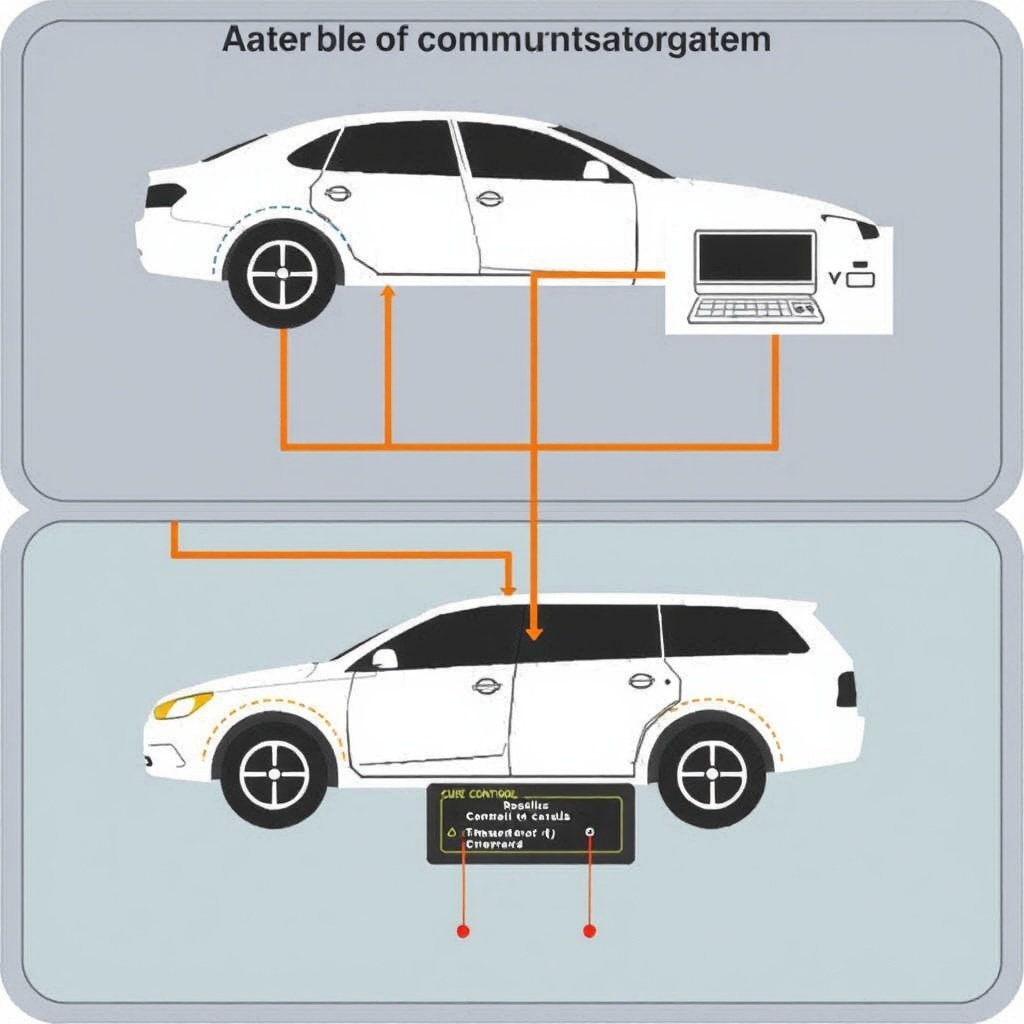
Unlike U0073, which signals a general communication breakdown, U0074 provides more targeted information about the network segment affected. When U0074 is detected, it usually points to a specific ECU or a group of ECUs that are experiencing difficulties. This specificity aids technicians in narrowing down the fault, enabling more efficient troubleshooting. For instance, if U0074 indicates a failure in the communication between the engine control module and the transmission control module, technicians can focus their efforts on examining the connectors and wiring specific to these modules. By honing in on the affected network segment, repairs can be conducted more swiftly, minimizing vehicle downtime.
The Importance of Accurate Code Interpretation
Interpreting bus-off codes accurately is essential for effective vehicle maintenance and repair. Misinterpretation can lead to unnecessary part replacements or prolonged diagnostic procedures, resulting in increased costs and time. It is crucial for technicians to have a deep understanding of how these codes interact with the vehicle’s systems. Familiarity with the nuances of U0073 and U0074 not only aids in immediate repairs but also enhances preventive maintenance strategies. By leveraging the insights provided by these codes, we can anticipate potential issues and implement measures to avert future network failures, thereby enhancing vehicle reliability and performance.
Integrating Bus-Off Code Analysis into Maintenance Routines
To maximize the benefits of bus-off code analysis, integrating it into regular vehicle maintenance routines is imperative. Routine diagnostics that include scanning for codes like U0073 and U0074 can preemptively identify issues before they escalate into major failures. This proactive approach allows for timely interventions, reducing the risk of unexpected breakdowns and ensuring continuous vehicle operability. Furthermore, integrating code analysis into maintenance protocols fosters a culture of precision and attention to detail among technicians, ultimately leading to a higher standard of automotive service and customer satisfaction.
Future Developments in Bus-Off Code Technology
As automotive technology evolves, so too does the sophistication of bus-off codes and their diagnostic capabilities. Future advancements may include more granular codes that provide even greater specificity regarding network failures, further enhancing diagnostic accuracy. Additionally, the integration of machine learning algorithms into vehicle diagnostic systems could enable real-time interpretation and predictive analysis of bus-off codes, streamlining the repair process. These developments hold promise for the automotive industry, paving the way for more efficient and effective vehicle diagnostics. As we move forward, staying abreast of these innovations will be critical for maintaining expertise in automotive network diagnostics.