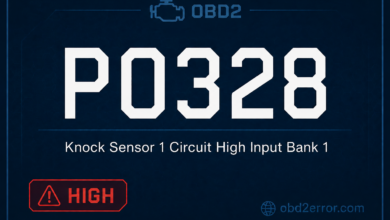
P0223 Code: Throttle/Pedal Position Sensor B Circuit High Input
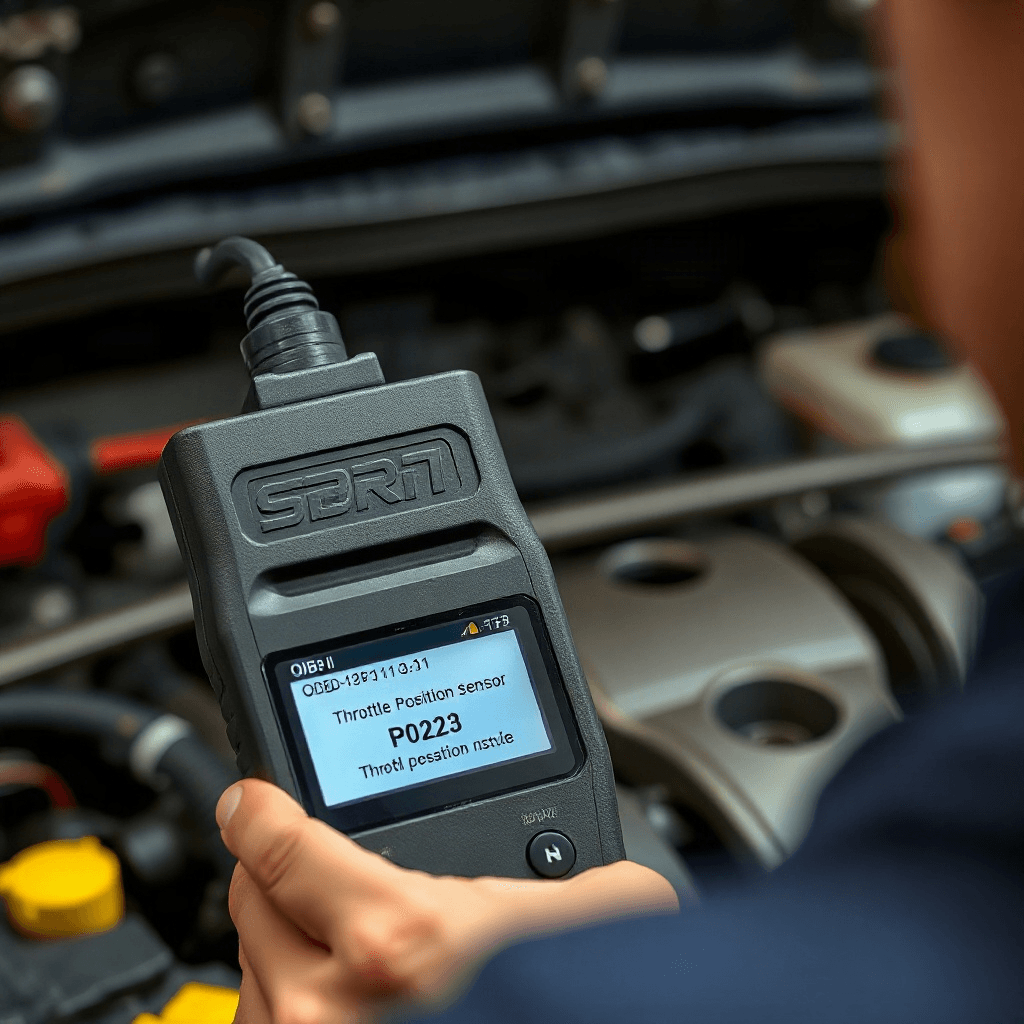
In the world of automotive diagnostics, encountering error codes like P0223 can be both a challenge and an opportunity to deepen your understanding of vehicle electronics. As an automotive technician or enthusiast, you may have come across the P0223 error code, which indicates a high input condition in the Throttle/Pedal Position Sensor B Circuit. In this interview-style article, we’ll delve deep into the intricacies of this code, exploring its causes, implications, and solutions.
Understanding the Throttle Position Sensor System
To fully grasp the significance of a P0223 code, you need to understand the role of the Throttle Position Sensor (TPS) within your vehicle’s engine management system. The TPS is a crucial component that monitors the position of the throttle valve and sends this information to the engine control unit (ECU). This data plays a vital role in determining the correct air-fuel mixture for combustion. When the sensor fails or provides inaccurate readings, it can lead to problems such as poor acceleration, rough idling, or even stalling. The ECU flags a P0223 code when it detects an abnormally high voltage signal from the TPS, indicating that the sensor may not be functioning correctly.
Investigating the Causes of P0223
When faced with a P0223 code, it’s essential to consider several potential causes. One common reason is a faulty TPS, which might be due to wear and tear over time. Other possibilities include issues with the wiring or connectors, such as corrosion, fraying, or loose connections. Furthermore, electrical interference from other engine components can also lead to inaccurate sensor readings. In some cases, a malfunctioning ECU could be at fault, misinterpreting the signals from a perfectly functional sensor. Thorough diagnostics are crucial for pinpointing the exact cause and ensuring effective resolution.
Symptoms and Impacts on Vehicle Performance
Experiencing a P0223 code can result in a range of noticeable symptoms while driving. You might observe a lack of responsiveness in the throttle, making it difficult to accelerate smoothly. Additionally, the vehicle may idle erratically or stall unexpectedly, posing safety risks in traffic. Fuel efficiency could also be compromised, as the engine may run too rich or too lean due to incorrect throttle position data. Understanding these symptoms helps you connect the dots between the error code and the vehicle’s behavior, guiding you towards appropriate diagnostic and repair actions.
Diagnostic Procedures and Tools
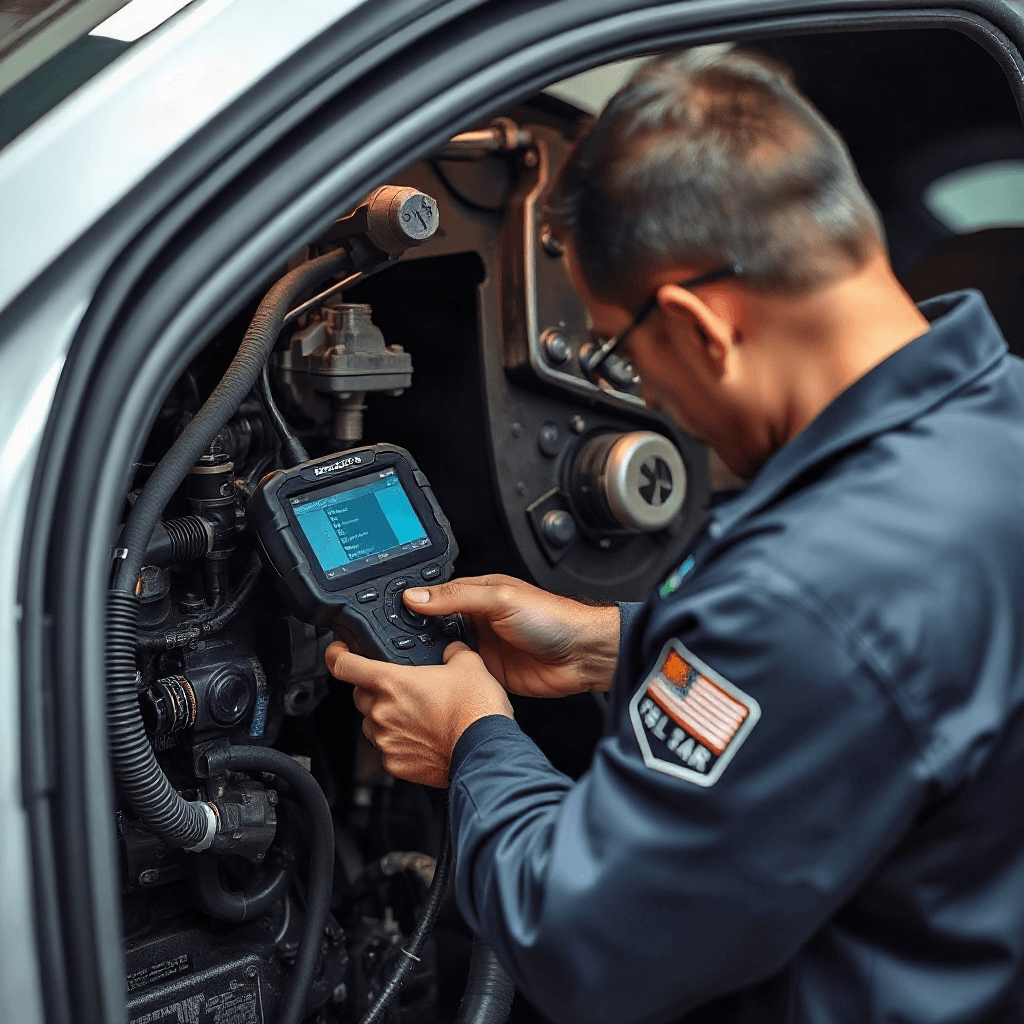
Diagnosing a P0223 code involves a systematic approach using specialized tools such as an OBD-II scanner. By connecting the scanner to the vehicle’s diagnostic port, you can retrieve error codes and assess live data from the TPS. It’s important to perform a visual inspection of the sensor, wiring, and connectors for any obvious signs of damage or wear. Additionally, measuring the voltage output of the TPS with a multimeter can help verify its functionality. If the sensor’s output deviates significantly from the manufacturer’s specifications, it may need replacement.
Repair and Resolution Strategies
Once you’ve identified the root cause of the P0223 code, the next step is implementing the appropriate repair strategy. If the TPS is determined to be faulty, replacing it with a new one is often the best course of action. Ensure the replacement sensor matches the specifications of the original part to maintain optimal performance. In cases where wiring issues are present, repairing or replacing damaged connectors and ensuring proper grounding can resolve the issue. After repairs, it’s crucial to clear the error code using the OBD-II scanner and perform a test drive to confirm the problem is resolved.
Preventive Measures and Maintenance Tips
Preventing the recurrence of a P0223 code involves regular maintenance and vigilance. Periodically inspect the throttle body and sensor for dirt build-up or corrosion, which can interfere with sensor performance. Keeping the engine bay clean and ensuring all electrical connections are secure can minimize the risk of wiring-related issues. Additionally, adhering to the manufacturer’s recommended maintenance schedule can help identify potential problems before they escalate into more significant issues. By taking these preventive measures, you can ensure the longevity and reliability of your vehicle’s throttle position system.