ABS Module Power and Ground Tests Before Replacing the Module

In the intricate world of automotive technology, the Anti-lock Braking System (ABS) stands out as a crucial component, ensuring safety and control during sudden braking scenarios. Before making the often costly decision to replace an ABS module, it is vital to conduct thorough power and ground tests. These tests not only save money but also confirm whether the issue truly lies within the module itself or elsewhere in the system. By adopting a systematic approach, they can diagnose the problem more accurately, ensuring that their vehicle remains in optimal working condition and that safety is not compromised.
Understanding the ABS Modules Role
The ABS module is a sophisticated piece of technology designed to prevent wheel lock-up during braking. It achieves this by modulating brake pressure in response to signals from wheel speed sensors. When the module detects a potential lock-up, it intervenes, releasing and reapplying the brakes rapidly, allowing the driver to maintain steering control. The importance of the ABS module cannot be understated, as it plays a critical role in enhancing vehicle safety by reducing stopping distances on slippery surfaces. Moreover, understanding its function helps them appreciate the necessity of ensuring the module’s power and ground connections are always in optimal condition.
Identifying Symptoms of a Faulty ABS Module
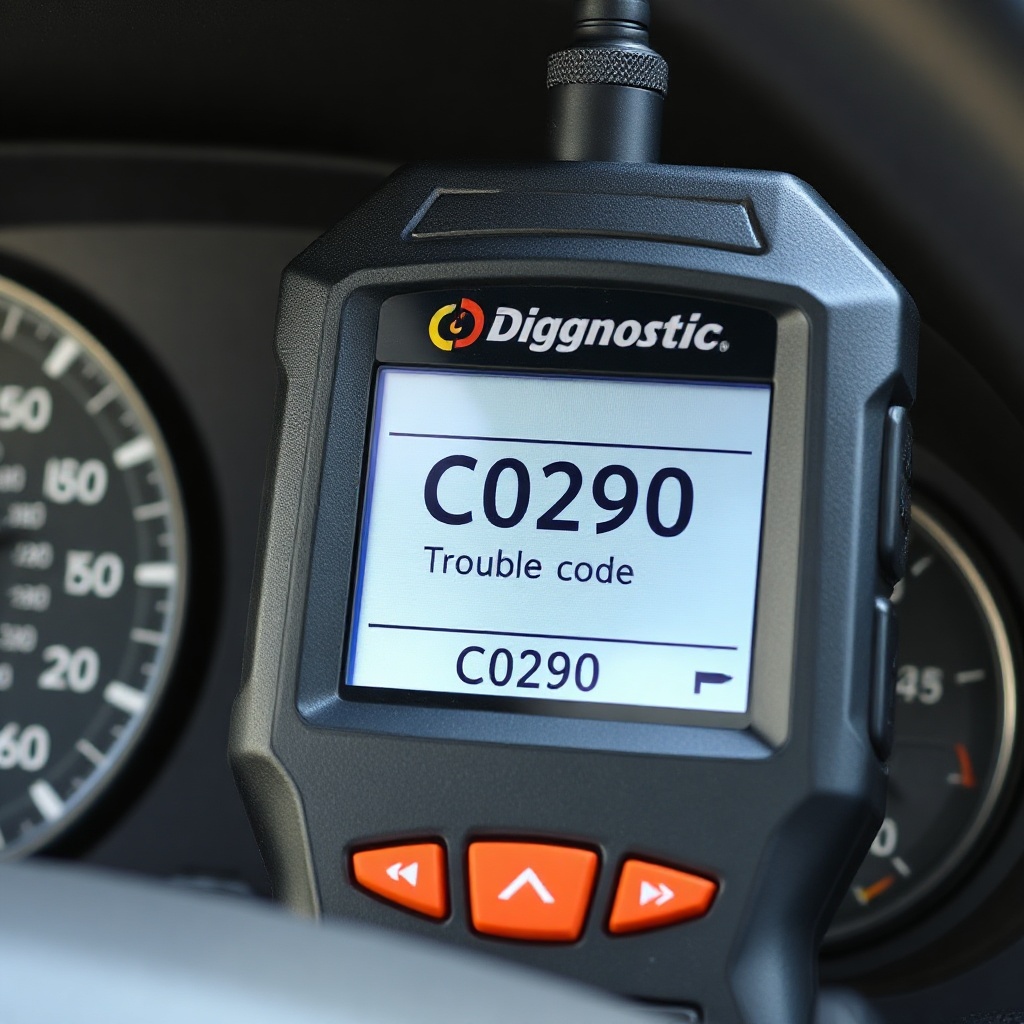
Before delving into testing procedures, it’s essential to identify the symptoms that may indicate a faulty ABS module. Common signs include the ABS warning light illuminating on the dashboard, unusual noises during braking, or a noticeable decrease in braking performance. They may also experience the brakes locking up during regular driving conditions, which can be particularly dangerous. By recognizing these symptoms early, they can take proactive measures to address potential issues before they escalate. It is worth noting that these symptoms can also arise from other parts of the braking system, hence the importance of thorough testing.
Gathering the Necessary Tools for Testing
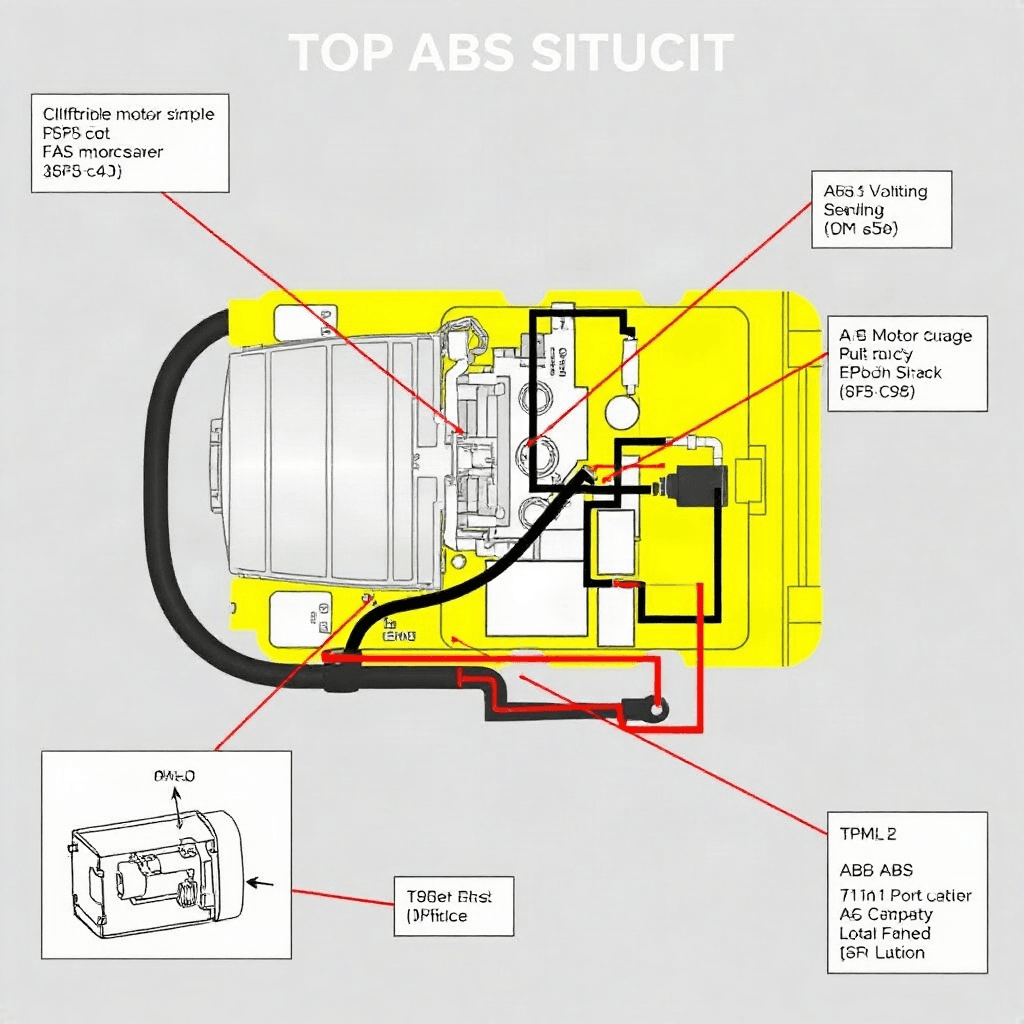
Embarking on the journey to test the ABS module requires a selection of essential tools. A multimeter is indispensable for measuring voltage, resistance, and continuity. Additionally, they will need a wiring diagram specific to their vehicle model to accurately trace power and ground connections. Safety equipment such as gloves and goggles should also be considered, as working with electrical components can pose risks. By preparing these tools in advance, they ensure that the testing process proceeds smoothly and efficiently. Proper preparation minimizes the chances of errors that could lead to incorrect diagnoses.
Performing the Power Test
The power test is the first step in determining if the ABS module is receiving the necessary voltage to function correctly. They should begin by consulting the wiring diagram to locate the power supply wire to the module. Using a multimeter, they can measure the voltage at this point, comparing it against the manufacturer’s specifications. It is crucial to perform this test with the ignition switched to the “on” position to ensure accurate readings. If the voltage is below the recommended level, they may need to inspect the vehicle’s battery, fuses, or wiring connections for issues. By methodically checking each element, they can pinpoint the source of the problem more effectively.
Conducting the Ground Test
Once the power supply has been verified, attention turns to the ground connection, which is equally vital for the module’s operation. A poor ground can mimic the symptoms of a faulty module, leading to unnecessary replacements. To perform the ground test, they set the multimeter to the resistance setting and connect one lead to the ground wire of the module and the other to a clean metal part of the vehicle’s chassis. A reading close to zero ohms indicates a good ground connection. If they find high resistance, it suggests a weak or damaged ground connection that needs addressing. Proper grounding is essential to prevent erratic ABS module behavior.
Making Informed Decisions Post-Testing
Upon completing the power and ground tests, they are armed with valuable information to make informed decisions regarding the ABS module. If both connections are within specifications, yet symptoms persist, it may be time to consider module replacement. However, should the tests reveal issues with power or grounding, they can address these problems directly, potentially saving a significant amount of money and avoiding unnecessary replacements. This methodical approach not only ensures the correct diagnosis but also enhances their understanding of the vehicle’s electrical system, empowering them to tackle future issues with greater confidence. For more detailed guidance, they might consult [additional resources] available online.