How to Use OBD-II Live Data to Test an Oxygen Sensor
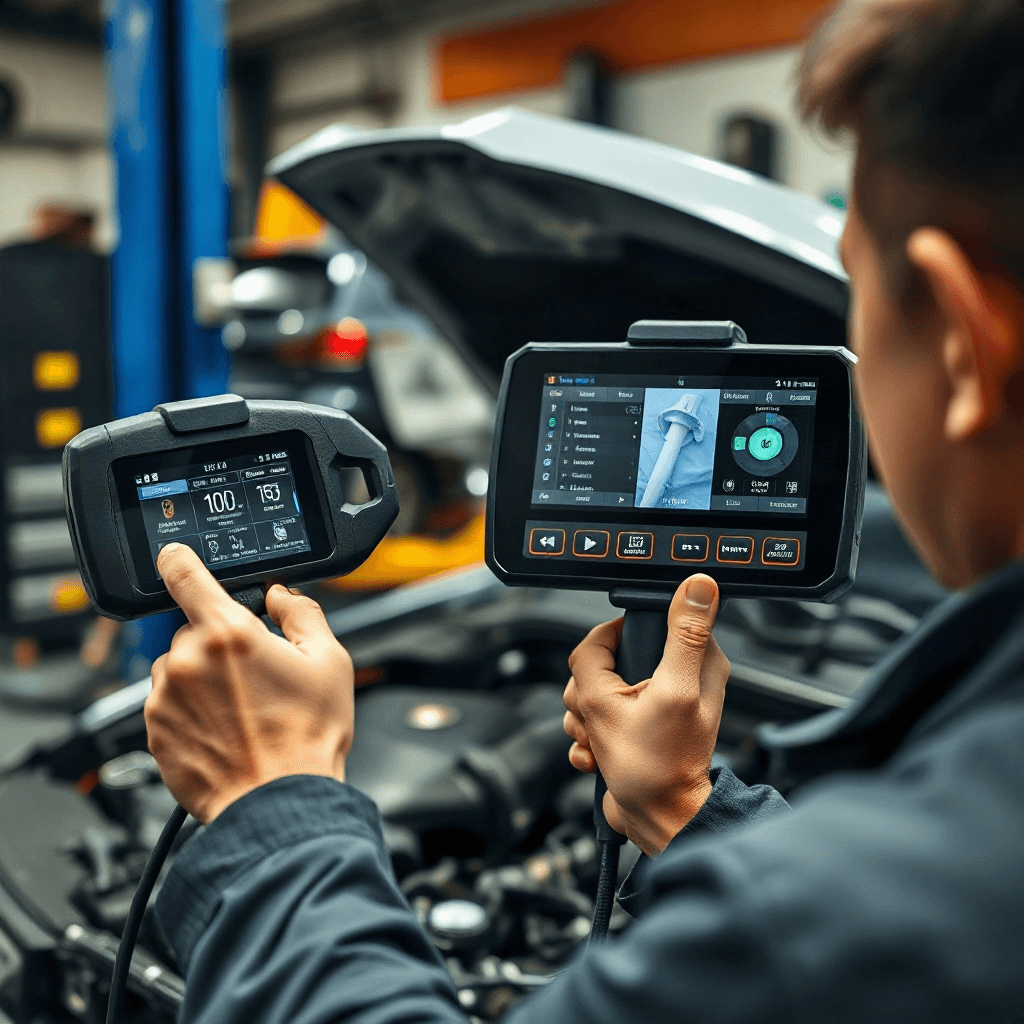
Modern vehicles are equipped with a sophisticated onboard diagnostic system known as OBD-II, which plays a crucial role in monitoring the health of a car’s engine and its various components. One of these components is the oxygen sensor, which is vital for optimizing fuel efficiency and reducing emissions. The ability to utilize OBD-II live data to assess the functionality of an oxygen sensor is indispensable for mechanics and car enthusiasts alike. This article will guide you through the process of testing an oxygen sensor using OBD-II live data, highlighting the key steps and considerations involved.
Understanding the Role of Oxygen Sensors
Oxygen sensors are integral to the vehicle’s exhaust system and help maintain the optimal air-to-fuel ratio by measuring the amount of oxygen present in the exhaust gases. These sensors send data to the vehicle’s engine control unit (ECU), which adjusts the fuel injection to ensure efficient combustion. A malfunctioning oxygen sensor can lead to poor fuel economy, increased emissions, and potential damage to the catalytic converter. Hence, regular testing of oxygen sensors is essential for maintaining vehicle performance. When using OBD-II live data for testing, one can gain insights into the sensor’s responsiveness and its ability to switch between rich and lean conditions efficiently.
Preparing for OBD-II Live Data Analysis
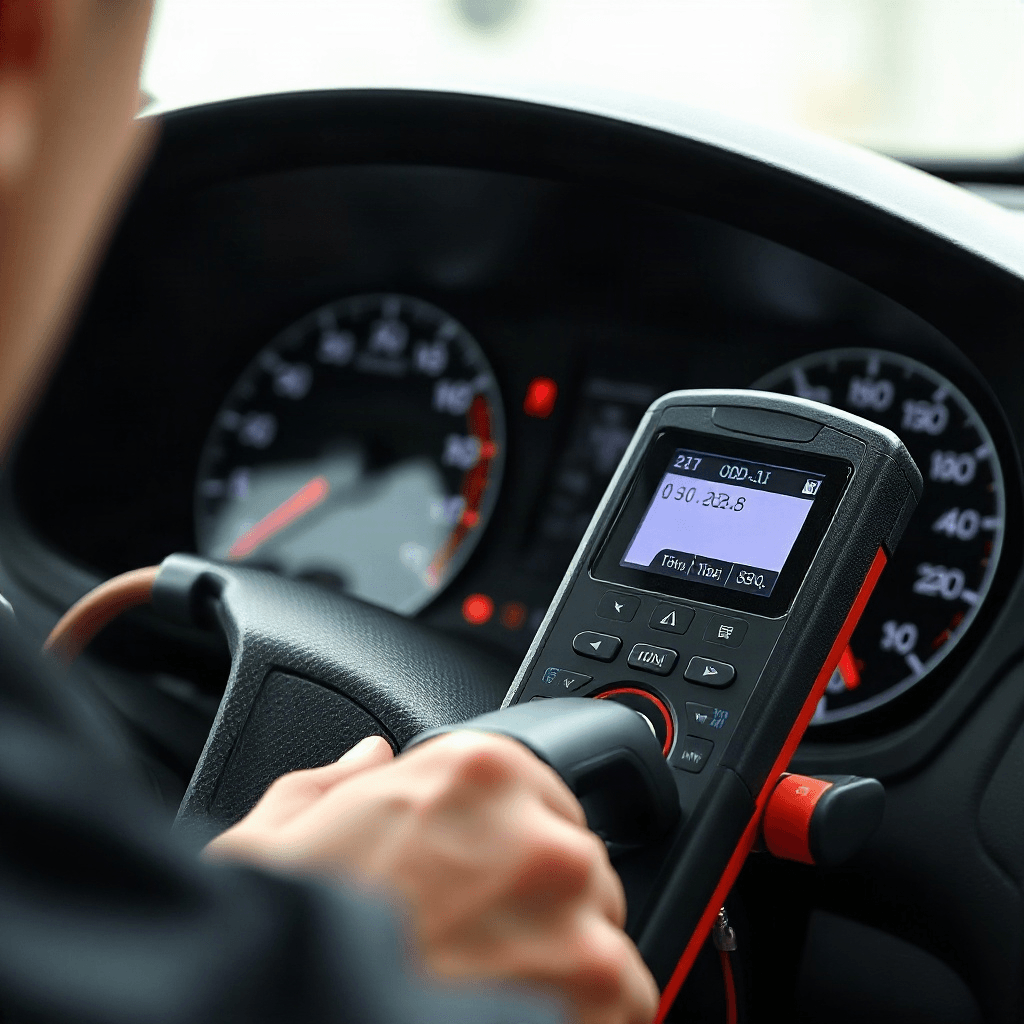
Before diving into the live data analysis, it’s crucial to have the necessary equipment, which includes an OBD-II scanner capable of displaying live data. This scanner is connected to the vehicle’s OBD-II port, typically located under the dashboard. Ensure your vehicle is in a safe, ventilated area and that the engine is running, as live data requires the engine to be operational. Familiarizing yourself with the OBD-II scanner’s interface and functionalities is also beneficial. This preparation ensures that you can navigate the live data effectively and focus on the relevant parameters related to the oxygen sensor.
Interpreting Oxygen Sensor Data
When accessing the OBD-II live data, the primary parameters to observe are the oxygen sensor voltage and the short-term fuel trim (STFT) values. Oxygen sensors generally oscillate between 0.1 volts (lean) and 0.9 volts (rich), with a healthy sensor switching between these states multiple times per second. The STFT values should ideally stay within a range of -10% to +10%, indicating that the ECU is making appropriate adjustments. Observing these readings over a few minutes can help determine if the sensor is functioning correctly or if there’s a sluggish response that might indicate sensor degradation.
Identifying Common Oxygen Sensor Issues
Common issues with oxygen sensors that can be identified through OBD-II live data include a lack of voltage fluctuation, indicating a sensor stuck in a lean or rich condition. Additionally, if the STFT values consistently exceed the normal range, it could suggest a faulty sensor or other related problems such as vacuum leaks or fuel system issues. By understanding these patterns, one can effectively diagnose and address potential problems, ensuring that the vehicle operates efficiently and within emission standards. Anomalies in the sensor data should prompt further inspection or replacement of the sensor.
Conducting Further Diagnostics
If the OBD-II live data indicates potential issues with the oxygen sensor, further diagnostics may be required to confirm the findings. This could involve checking the sensor’s wiring and connectors for any signs of damage or corrosion. Additionally, using a digital multimeter to measure the sensor’s resistance can provide insights into its condition. If the sensor is found to be faulty, replacement is usually the best course of action. It’s important to consult the vehicle’s service manual for specific procedures and specifications when conducting these diagnostics to ensure safety and accuracy.
The Importance of Regular Sensor Testing
Regular testing of oxygen sensors using OBD-II live data is essential for maintaining the vehicle’s performance and compliance with environmental regulations. By proactively monitoring the sensors, one can prevent potential engine issues, improve fuel efficiency, and reduce harmful emissions. As automotive technology continues to evolve, staying informed and equipped with the knowledge to perform such diagnostics is invaluable for both professionals and enthusiasts. The ability to leverage OBD-II live data effectively not only enhances vehicle maintenance but also contributes to a sustainable driving experience.