Multiple Wheel-Speed Sensor Codes at Once: Check Shared Power, Ground and Wiring First

In the ever-evolving world of automotive technology, understanding the intricacies of vehicle diagnostics is crucial for both professionals and enthusiasts. A common issue faced by many is the simultaneous triggering of multiple wheel-speed sensor codes. This can be a perplexing problem, often leading to unnecessary part replacements and wasted time. In this article, we will delve into the root causes of these codes, emphasizing the importance of checking shared power, ground, and wiring connections first. By understanding the underlying issues, you can save time and resources while ensuring the optimal performance of your vehicle.
Understanding Wheel-Speed Sensors
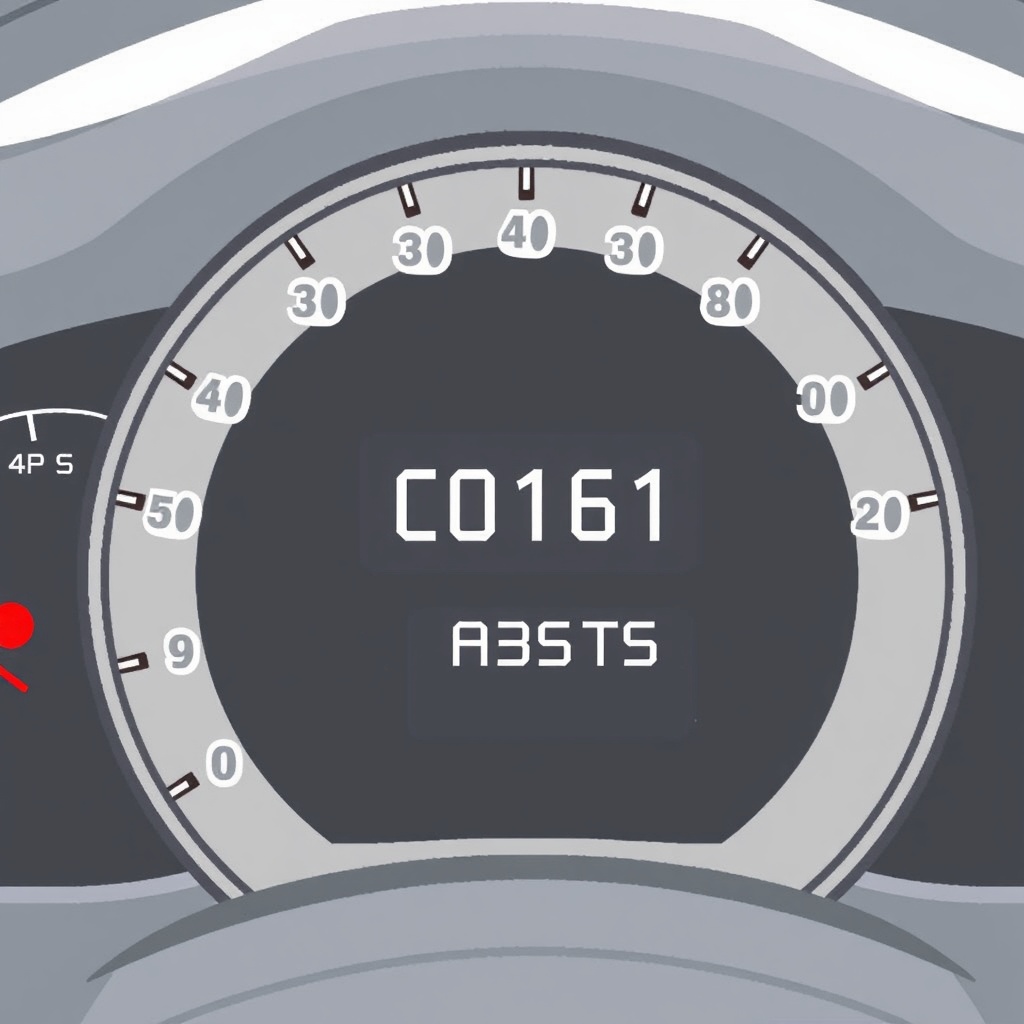
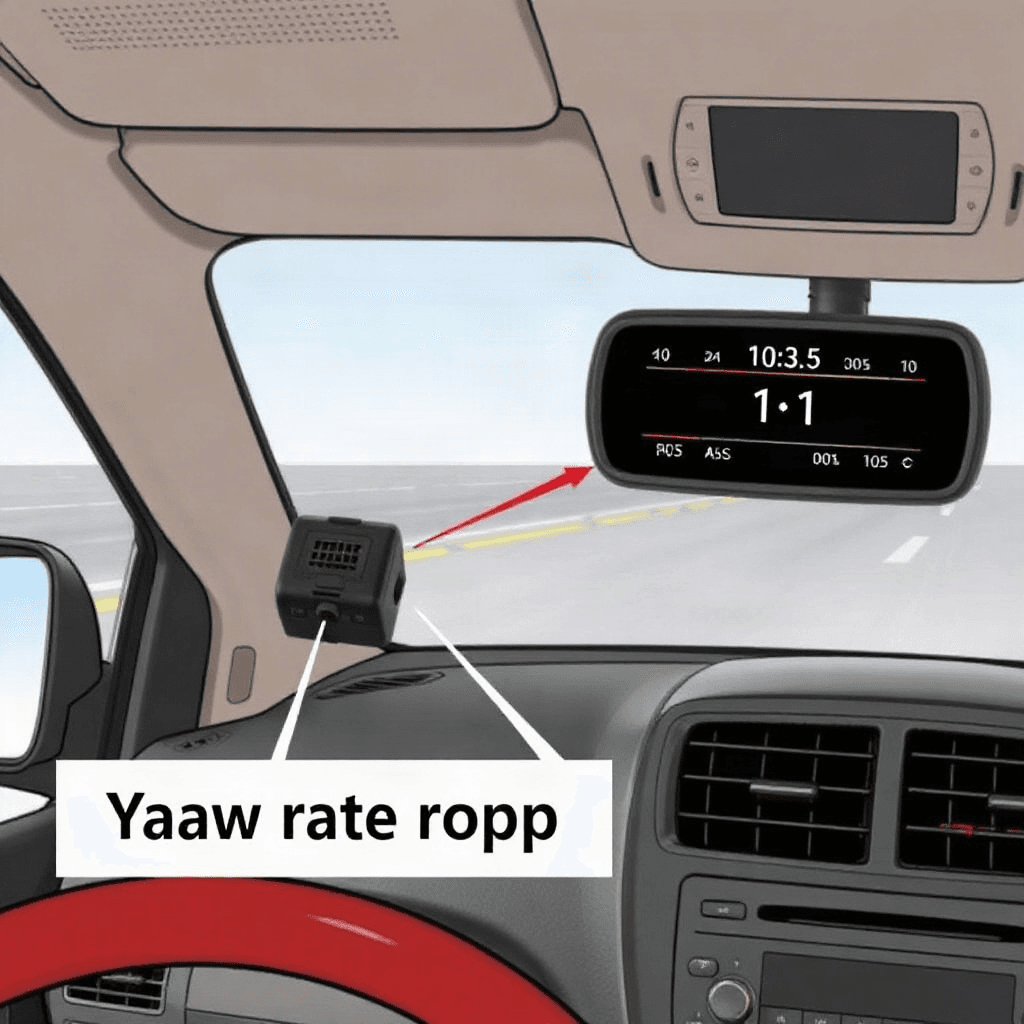
Wheel-speed sensors are integral components of modern vehicles, playing a pivotal role in systems such as ABS (Anti-lock Braking System) and traction control. These sensors monitor the speed of each wheel and relay this information to the vehicle’s electronic control unit (ECU). When these sensors fail or malfunction, it can cause various issues, including triggering fault codes. Understanding the function and importance of these sensors is the first step in diagnosing any problems. A failure in one or more sensors can lead to inaccurate data being sent to the ECU, resulting in compromised vehicle performance and safety concerns.
The Role of Shared Power and Ground Connections
Shared power and ground connections are often overlooked when diagnosing wheel-speed sensor issues. However, these connections are critical for the proper functioning of the sensors. If there is a problem with the power supply or grounding, multiple sensors can be affected simultaneously, leading to the generation of multiple fault codes. When diagnosing such issues, it is essential to ensure that the power supply is stable and that grounding connections are secure. Any disruptions in these connections can cause a cascade of errors, making it vital to check these areas before considering sensor replacements.
Wiring Challenges and Solutions
Wiring issues are another common cause of wheel-speed sensor faults. Over time, wiring can become damaged due to wear and tear, exposure to the elements, or accidental damage during repairs. These issues can lead to intermittent sensor failures and the appearance of fault codes. It is crucial to inspect the wiring for any signs of physical damage, corrosion, or disconnection. Repairing or replacing faulty wiring can often resolve sensor issues without the need for replacing the sensors themselves. By addressing wiring challenges proactively, you can prevent future problems and ensure the longevity of your vehicle’s systems.
Diagnosing with Diagnostic Tools
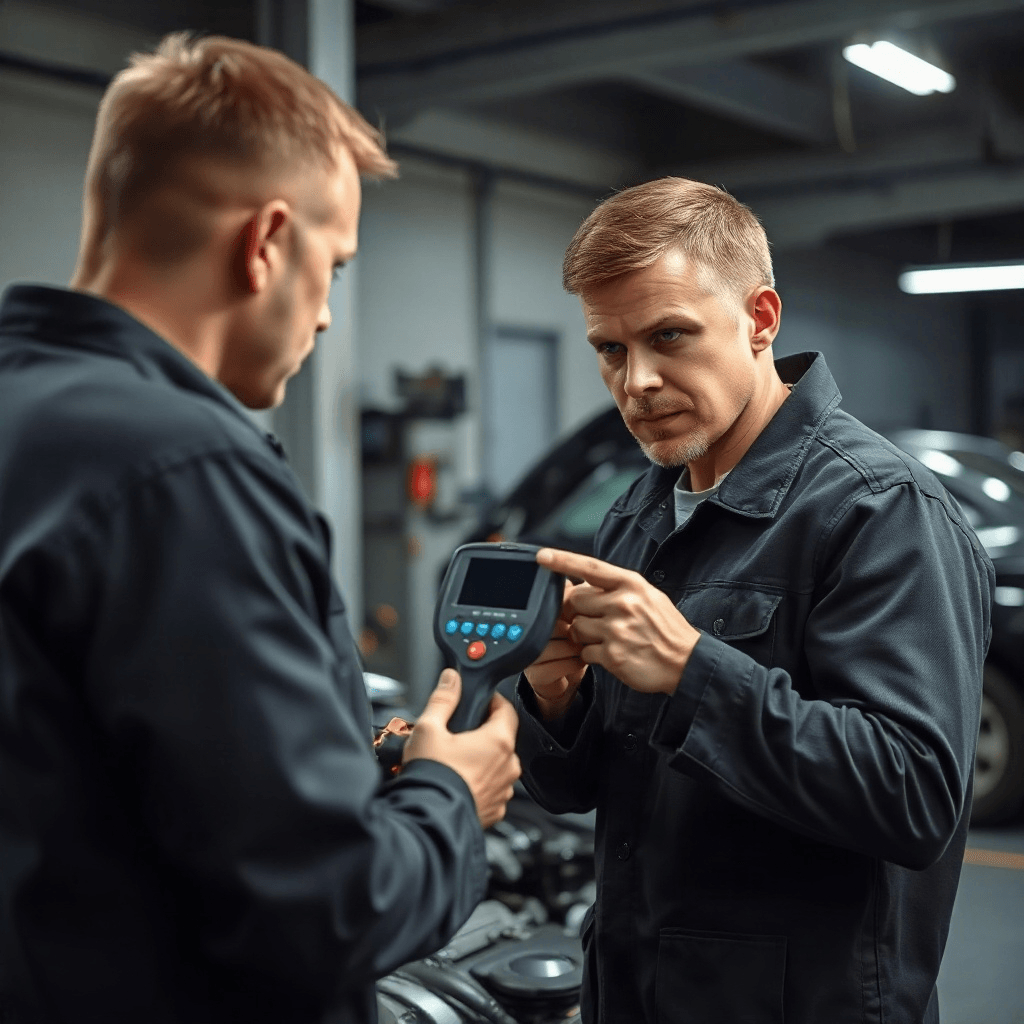
Modern diagnostic tools are indispensable in the process of identifying and resolving wheel-speed sensor issues. These tools can read and interpret fault codes, providing valuable insights into the underlying problems. When faced with multiple sensor codes, it is essential to use these tools to pinpoint the exact cause of the issue. By interpreting the data correctly, you can determine whether the problem lies with the sensors, the power supply, the ground connections, or the wiring. Utilizing diagnostic tools effectively can save time and effort, allowing for a precise and efficient resolution of the problem.
Preventative Measures and Maintenance
Preventative maintenance is key to avoiding wheel-speed sensor issues. Regularly inspecting the sensors, connections, and wiring can help identify potential problems before they lead to fault codes. Routine maintenance should include checking for signs of wear, ensuring connections are secure, and addressing any issues promptly. By adopting a proactive approach to vehicle maintenance, you can minimize the risk of sensor failures and maintain the overall performance and safety of your vehicle. Preventative measures not only save time and money but also enhance the reliability of your vehicle’s safety systems.
The Importance of Professional Assistance
While many wheel-speed sensor issues can be resolved with basic diagnostic and repair techniques, some problems may require professional intervention. Complex issues involving electronic systems and intricate wiring patterns can be challenging to diagnose without specialized knowledge and equipment. Seeking the assistance of a professional automotive technician can ensure that the problem is accurately identified and resolved. Professionals have the expertise and tools necessary to handle complex repairs, providing peace of mind and ensuring the safe operation of your vehicle.