How to Diagnose a Stuck-Open EVAP Purge Valve from Fuel Trim and Starting Symptoms
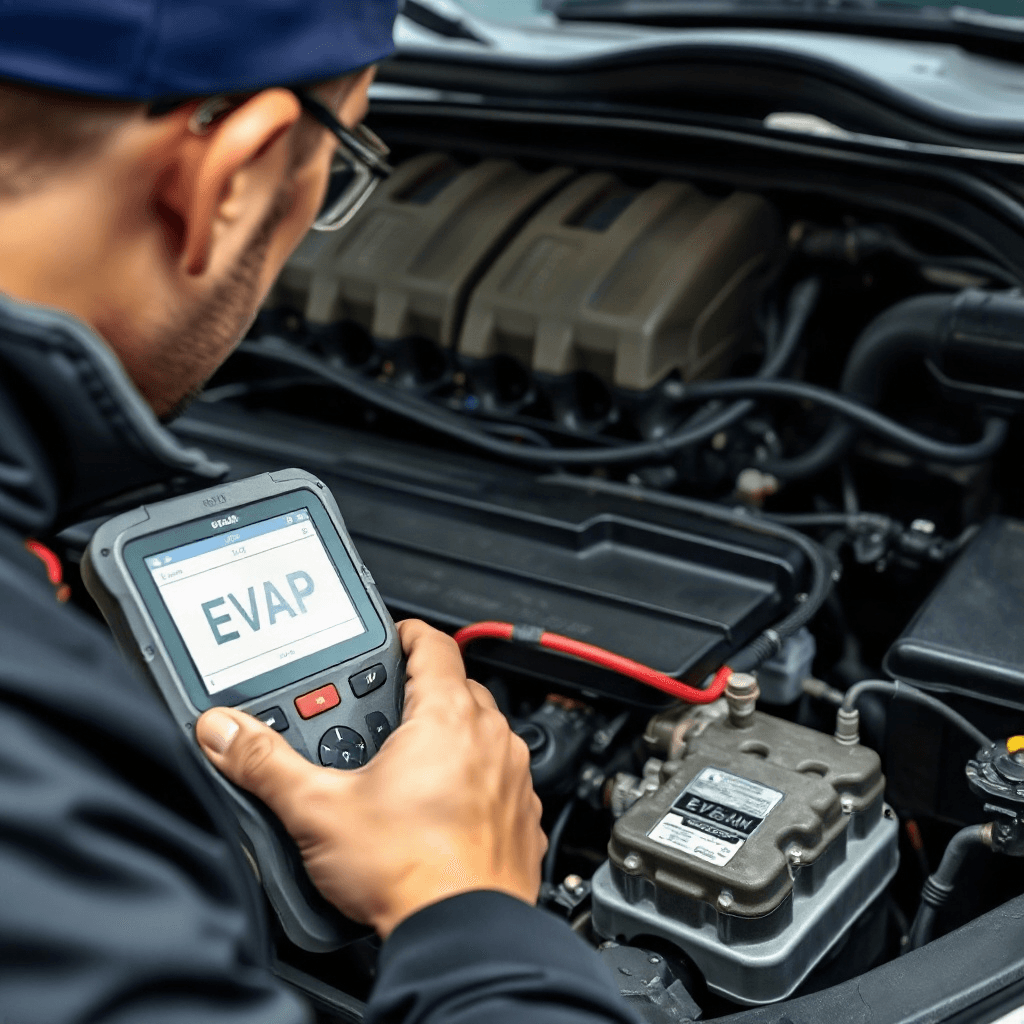
The evaporative emission control (EVAP) system is a critical component in modern vehicles, designed to prevent gasoline vapors from escaping into the atmosphere. A malfunctioning EVAP purge valve can lead to a range of issues, often indicated by fuel trim and starting symptoms. Diagnosing a stuck-open EVAP purge valve requires an understanding of these symptoms and their implications on vehicle performance. In this article, we will explore the diagnostic process, providing valuable insights for automotive technicians and enthusiasts alike.
Understanding the EVAP System and Its Components
The EVAP system is integral to reducing vehicle emissions, capturing fuel vapors from the fuel tank, and routing them to the engine for combustion. Key components of this system include the charcoal canister, vent valve, and purge valve. The purge valve acts as a gatekeeper, controlling the flow of vapors into the engine. When functioning correctly, it opens at the right time and closes to prevent vacuum leaks. A stuck-open EVAP purge valve, however, allows continuous vapor flow, leading to potential issues such as poor fuel economy and engine inefficiency.
Symptoms of a Stuck-Open EVAP Purge Valve
Symptoms of a stuck-open EVAP purge valve can manifest in various ways. One of the primary indicators is an abnormal fuel trim. Fuel trim adjustments are made by the engine control unit (ECU) to maintain the correct air-fuel mixture. A stuck-open valve often results in a lean mixture, as excess air enters the engine, prompting the ECU to compensate by adding more fuel. Additionally, drivers may experience hard starting issues, rough idling, or even stalling. These symptoms are typically more pronounced in warm weather conditions, when fuel vapors are more prevalent.
Diagnostic Techniques for Identifying the Issue
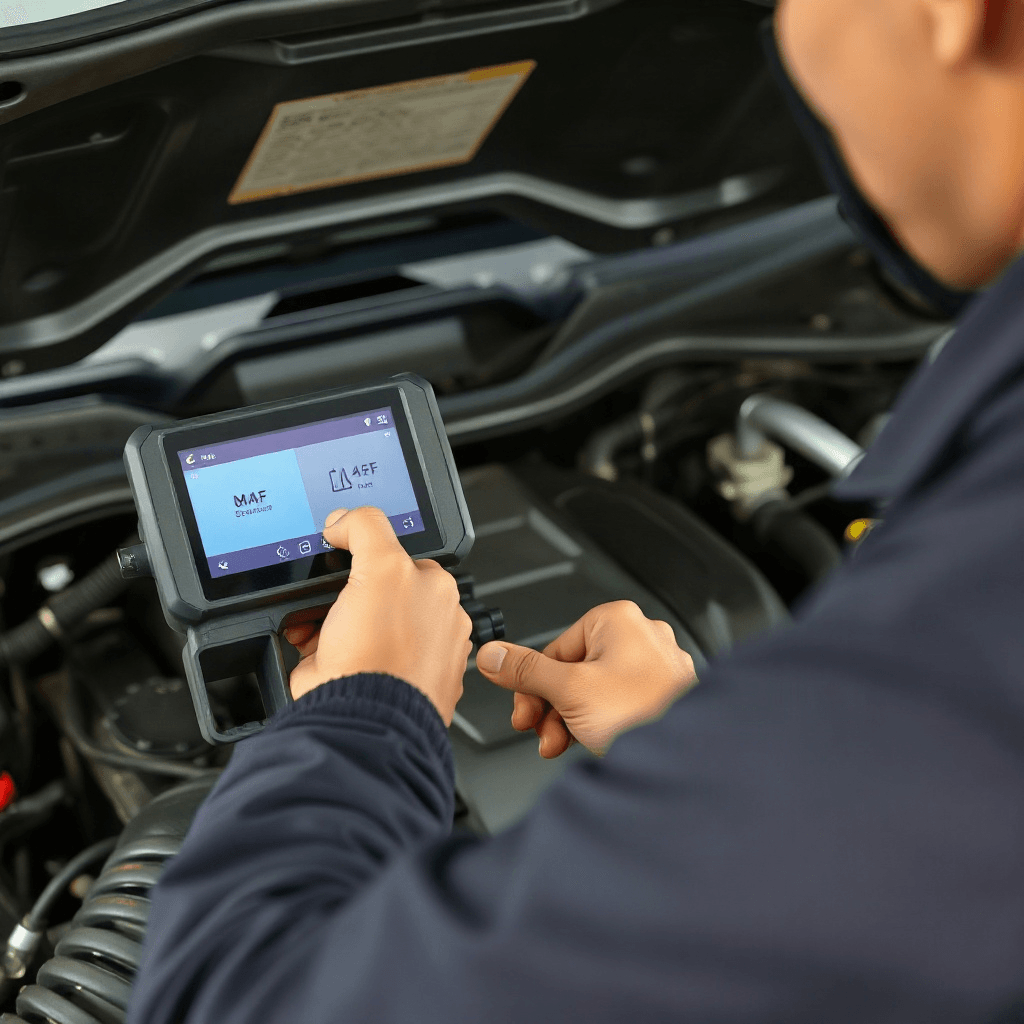
Diagnosing a stuck-open EVAP purge valve involves a combination of visual inspections and diagnostic tools. Technicians often start by checking for any stored diagnostic trouble codes (DTCs) using an OBD-II scanner. Codes such as P0441 or P0455 can indicate EVAP system malfunctions. A smoke test may also be conducted to detect leaks within the system. Furthermore, examining the valve physically for signs of damage or blockage can provide additional clues. For a thorough diagnosis, measuring the vacuum pressure and monitoring fuel trim values in real-time are essential steps.
The Impact on Fuel Trim and Engine Performance
The relationship between a stuck-open EVAP purge valve and fuel trim is significant, as it directly affects engine performance. An imbalanced air-fuel ratio can lead to increased emissions, reduced fuel efficiency, and potential damage to the catalytic converter. The ECU’s continuous adjustments to compensate for the lean condition can strain the engine over time. Understanding these dynamics is crucial for addressing the root cause of the problem and preventing further complications.
Repair and Maintenance Strategies
Once a stuck-open EVAP purge valve is diagnosed, addressing the issue promptly is vital. Replacing the faulty valve is typically the recommended course of action. Regular maintenance checks, including inspecting hoses and connections for leaks, can prevent future occurrences. Keeping the EVAP system in optimal condition not only ensures regulatory compliance but also enhances overall vehicle performance. Technicians should also educate vehicle owners on the importance of addressing EVAP-related issues to prevent costly repairs.
The Role of Technological Advancements in Diagnosis
Technological advancements have significantly improved the diagnostic process for EVAP system issues. Modern diagnostic tools offer real-time data analysis, allowing technicians to pinpoint issues with greater accuracy. Additionally, advancements in sensor technology enable more efficient monitoring of system components. Embracing these technologies not only streamlines the diagnostic process but also enhances the precision of repairs. As automotive technology continues to evolve, staying informed about these advancements is essential for professionals in the field.
In conclusion, diagnosing a stuck-open EVAP purge valve requires a comprehensive understanding of the EVAP system and its impact on fuel trim and engine performance. By recognizing the symptoms, utilizing advanced diagnostic tools, and implementing effective repair strategies, automotive technicians can ensure the continued efficiency and reliability of modern vehicles. For further insights and related topics, consider exploring our article on [fuel system diagnostics].