How to Diagnose P0101 Mass Air Flow Range/Performance Code Without Replacing the Sensor
Diagnosing automotive issues can be a challenging task, especially when it comes to specific error codes like the P0101 Mass Air Flow (MAF) Range/Performance Code. This code typically signals a problem with the air entering the engine, which can lead to reduced performance and increased emissions. Our aim here is to explore the ways to diagnose this issue without resorting to replacing the MAF sensor immediately, thus saving both time and money. We will delve into the common causes of this error code and outline step-by-step procedures to identify the root cause, utilizing our experience in vehicle diagnostics. This approach not only aids in resolving the issue effectively but also enhances our understanding of vehicle performance.
Understanding the Role of the MAF Sensor
The Mass Air Flow sensor is a critical component in modern vehicles, responsible for measuring the amount of air entering the engine. This data is vital for the Engine Control Unit (ECU) to calculate the correct fuel-to-air ratio for optimal combustion. When the P0101 code is triggered, it indicates a discrepancy in the expected air flow, which can arise from various factors. Understanding how the MAF sensor operates helps us pinpoint where things might have gone wrong. Sometimes, simple issues like dirt accumulation or loose connections can disrupt the sensor’s functioning. Therefore, before jumping to conclusions, we should first ensure the sensor is clean and properly connected.
Common Causes of the P0101 Code
Several factors can lead to the P0101 code being triggered. These include but are not limited to a dirty or faulty MAF sensor, leaks in the intake system, or problems with the ECU. Each of these components plays a crucial role in the air intake process, and any malfunction can affect the overall performance. Dirt and debris are common culprits that can obstruct the sensor, leading to inaccurate readings. Additionally, vacuum leaks or damaged hoses can alter the pressure readings, misguiding the ECU. By systematically checking these potential issues, we can effectively diagnose the cause without unnecessary replacements.
Initial Diagnostic Steps
Our first step should be a thorough visual inspection of the MAF sensor and its surroundings. We should ensure that the sensor is clean and free of debris, as dirt can easily cause misreadings. Cleaning the MAF sensor with appropriate cleaner can often resolve the issue. Next, we should inspect the air intake system for leaks or damages. By using a smoke machine, we can identify any leaks in the hoses or connections that might be affecting the air flow. Additionally, we should check for any visible damages or wear that could impact performance. These initial steps help us narrow down the potential causes of the P0101 code.
Advanced Diagnostic Techniques
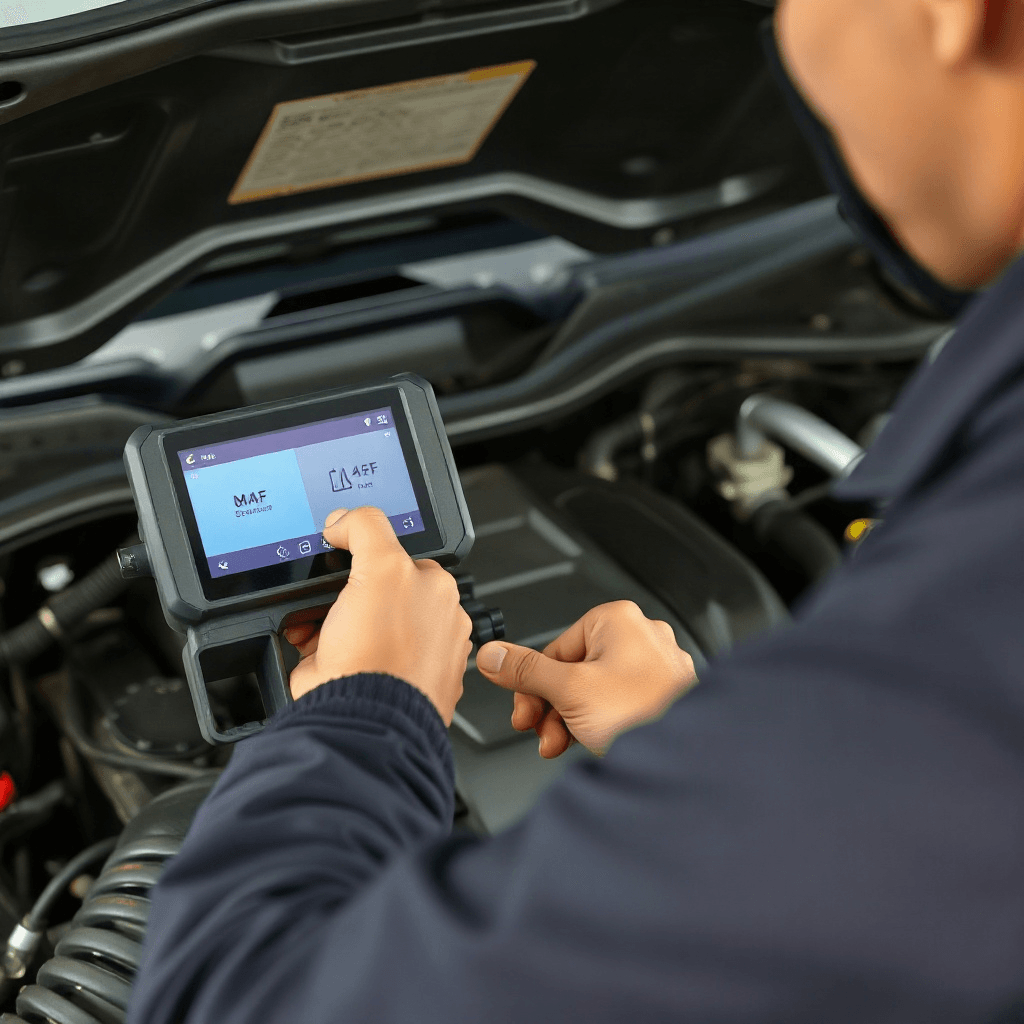
If the initial steps do not resolve the issue, we may need to delve deeper into the diagnostics. Using an automotive scan tool, we can monitor the MAF sensor readings in real-time to check for any anomalies. The tool can also help us verify if the sensor is sending the correct signals to the ECU. Furthermore, examining the fuel trims can provide insights into whether the engine is running rich or lean, which might be linked to the air flow issues. By comparing these readings against the manufacturer’s specifications, we can determine if the MAF sensor is functioning correctly or if further investigation is needed.
Testing the Electrical Components
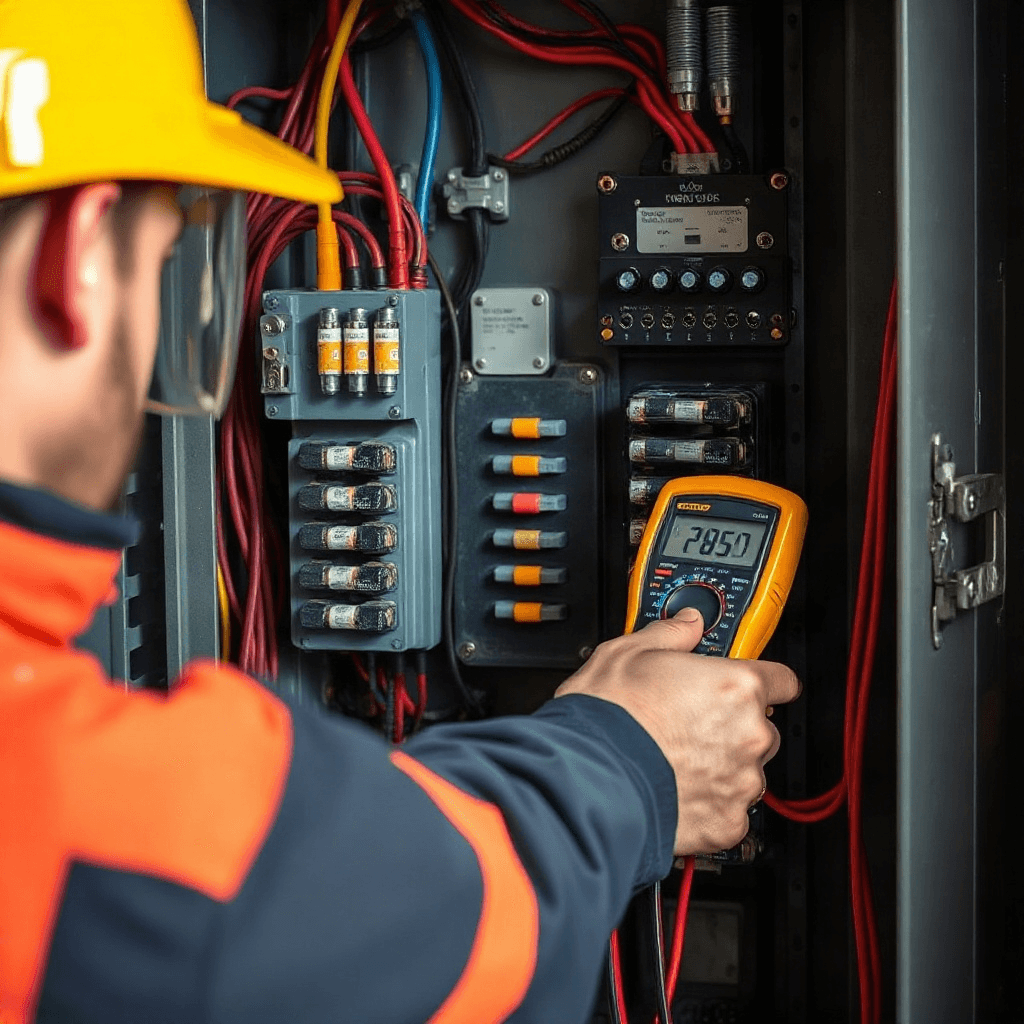
Electrical issues can sometimes be the reason behind the P0101 code. We should check the wiring and connectors associated with the MAF sensor for any signs of damage or corrosion. A multimeter can be used to test the voltage and resistance levels, ensuring they are within the specified range. If there are any irregularities, repairing or replacing the affected components might be necessary. Additionally, ensuring that the ECU is receiving and processing the signals correctly is crucial. These tests can help us confirm whether the problem lies in the sensor itself or in the supporting electrical components.
When to Consider Sensor Replacement
After conducting a comprehensive diagnostic process, if the P0101 code persists, it might be time to consider replacing the MAF sensor. However, this should be a last resort after all other possibilities have been exhausted. Replacing a sensor without proper diagnosis can be costly and may not resolve the issue if other underlying problems exist. Therefore, ensuring all other components are functioning correctly is vital before opting for a replacement. By following these diagnostic procedures, we can make informed decisions and ensure our vehicle runs smoothly and efficiently.