Why a Car Starts Then Immediately Stalls: A Step-by-Step Diagnostic Workflow
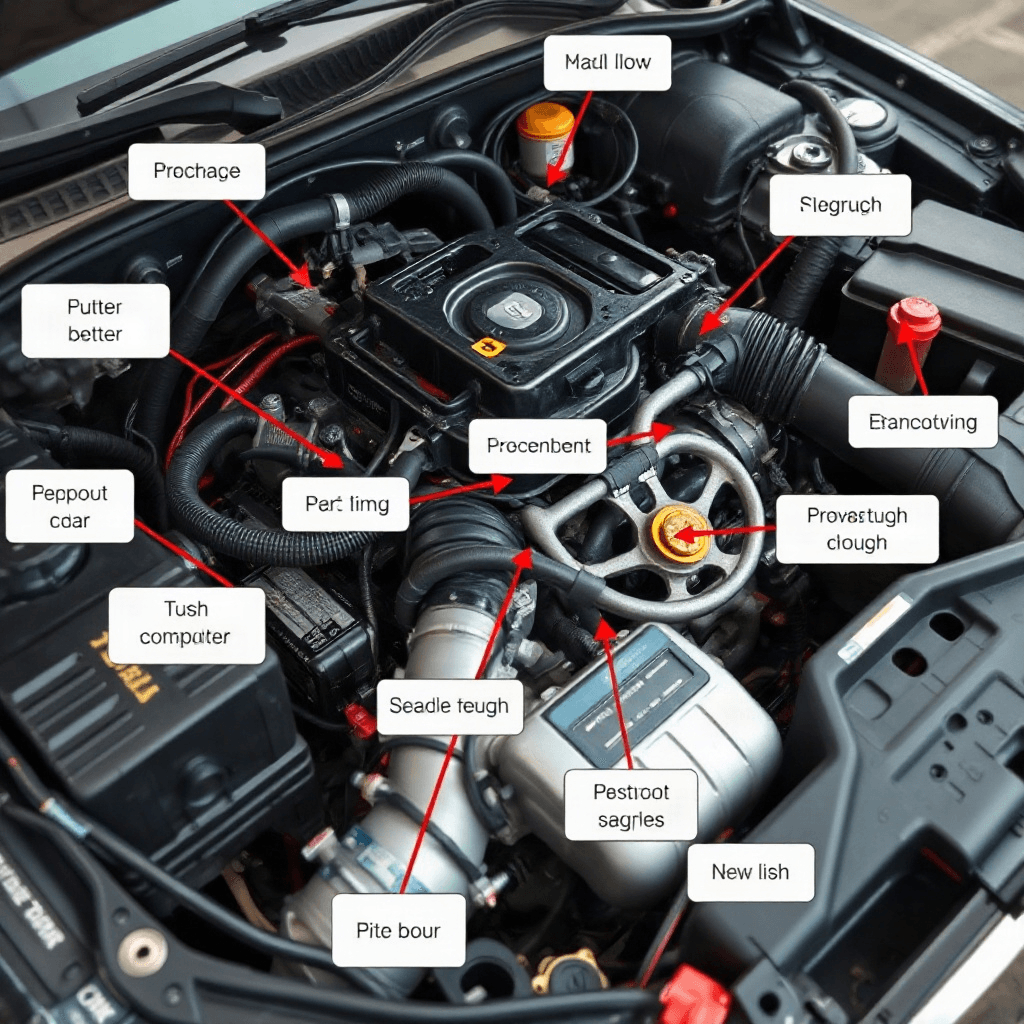
You’re driving along, excited for your day ahead, when suddenly your car starts and then stalls out of nowhere. It’s frustrating, inconvenient, and leaves you stranded on the side of the road. But fear not, understanding why this happens can help you diagnose and fix the issue. In this step-by-step diagnostic workflow, we’ll explore the common reasons why a car starts then immediately stalls.
Common Fuel System Issues
One of the most common reasons for a car to start and then stall is a problem with the fuel system. Issues like a clogged fuel filter, a malfunctioning fuel pump, or a dirty fuel injector can all cause your car to sputter and stall shortly after starting. Checking these components can help you identify and address the problem.
Faulty Ignition System Components
Another common culprit for a car stalling right after starting is a faulty ignition system. Components like the spark plugs, ignition coil, or the ignition switch itself can all cause issues that result in a quick stall. Inspecting and testing these parts can help you determine if they are the root of the problem.
Vacuum Leaks and Air Intake Problems
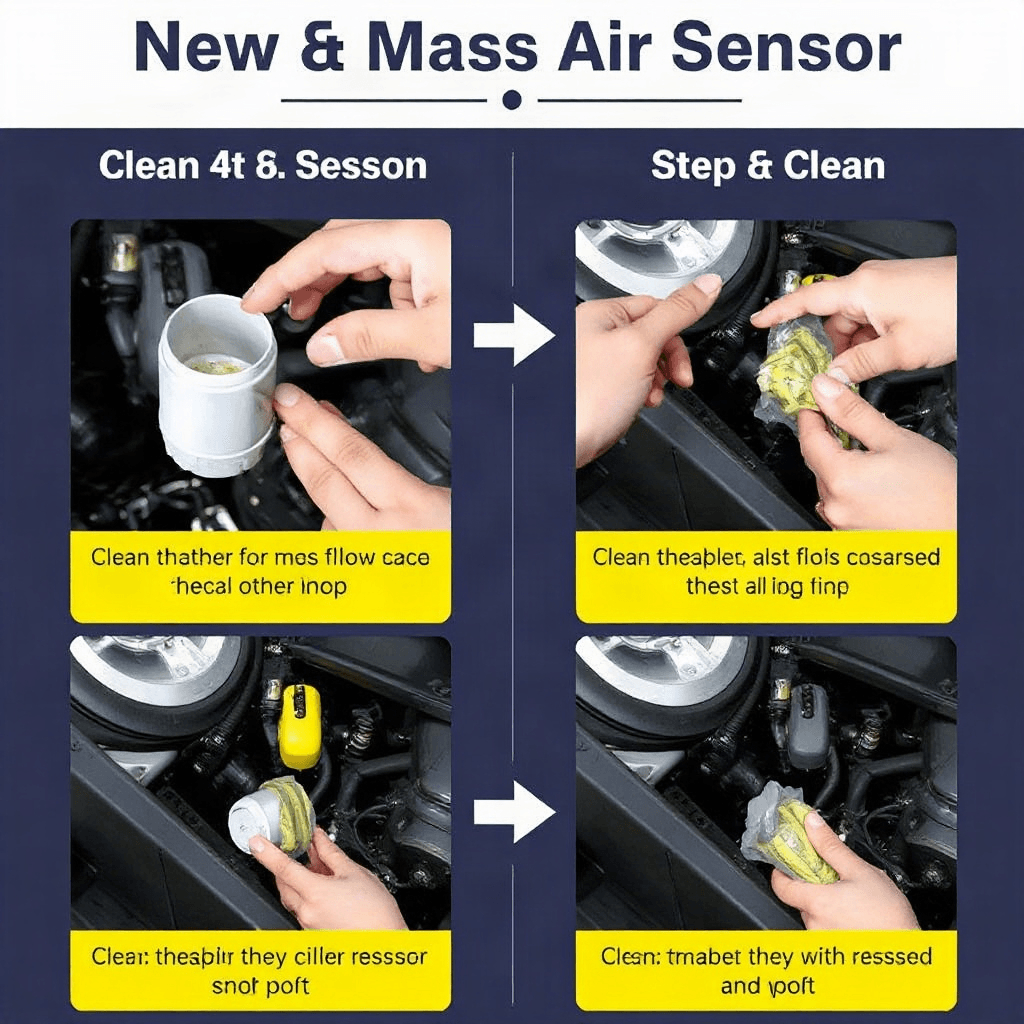
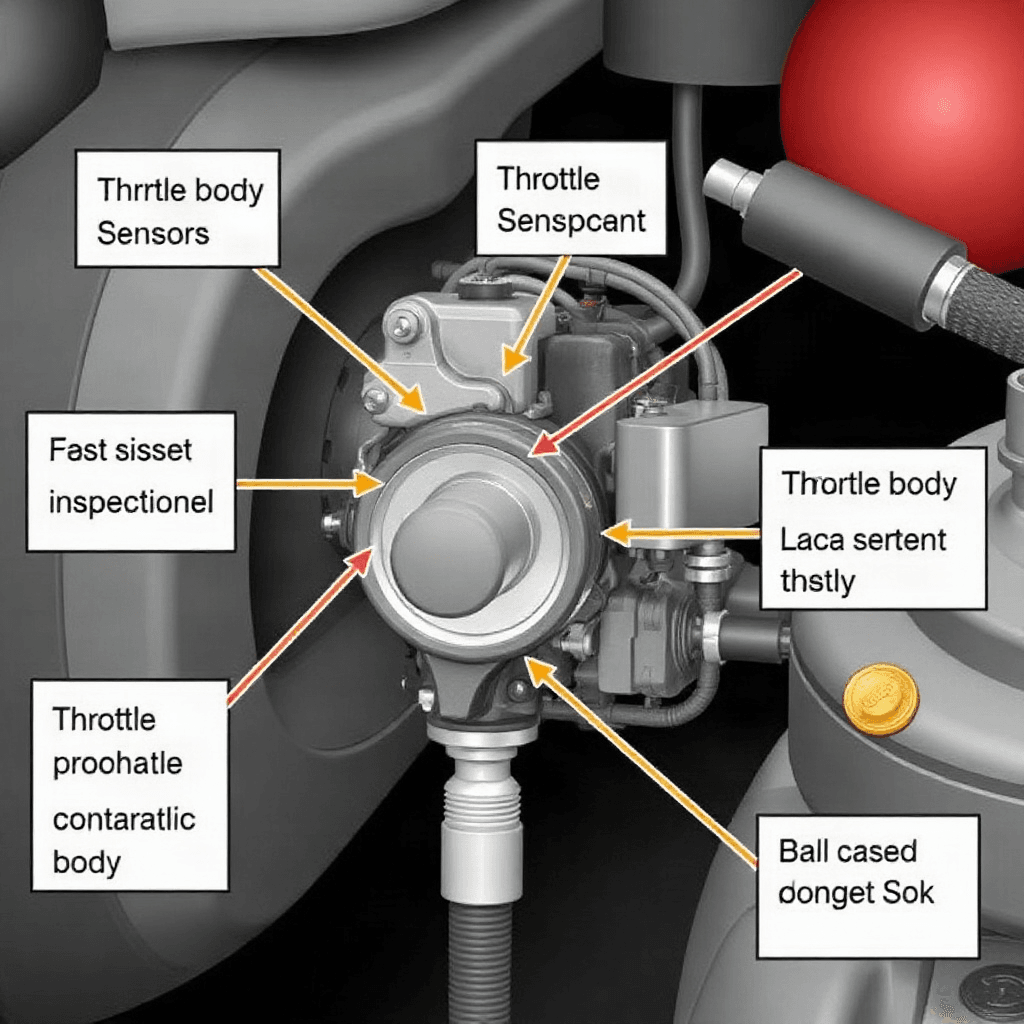
Vacuum leaks and air intake problems can also lead to a car starting and then stalling. If there are leaks in the vacuum system or issues with the air intake, the engine may not be getting the proper amount of air or fuel it needs to run smoothly. Addressing these leaks and checking the air intake system can help prevent stalling issues.
Electrical System Malfunctions
Issues with the car’s electrical system, such as a weak battery, a faulty alternator, or wiring problems, can also cause a car to start and then stall. Ensuring that the electrical components are functioning properly and checking the battery and alternator can help you rule out electrical issues as the cause of the stalling.
Engine Overheating and Cooling System Problems
In some cases, engine overheating or cooling system problems can lead to a car stalling shortly after starting. If the engine is overheating or if there are issues with the cooling system, the car may stall to prevent further damage. Monitoring the engine temperature and checking the cooling system can help you address these issues.
Conclusion
When your car starts and then stalls, it can be a frustrating experience. By following this step-by-step diagnostic workflow and checking common issues like the fuel system, ignition system, vacuum leaks, electrical system, and engine cooling system, you can identify the root cause of the problem and take the necessary steps to fix it. Remember, proper maintenance and regular inspections can help prevent stalling issues in the future.