How to Use Mode $06 Data to Verify a Misfire or Catalyst Repair
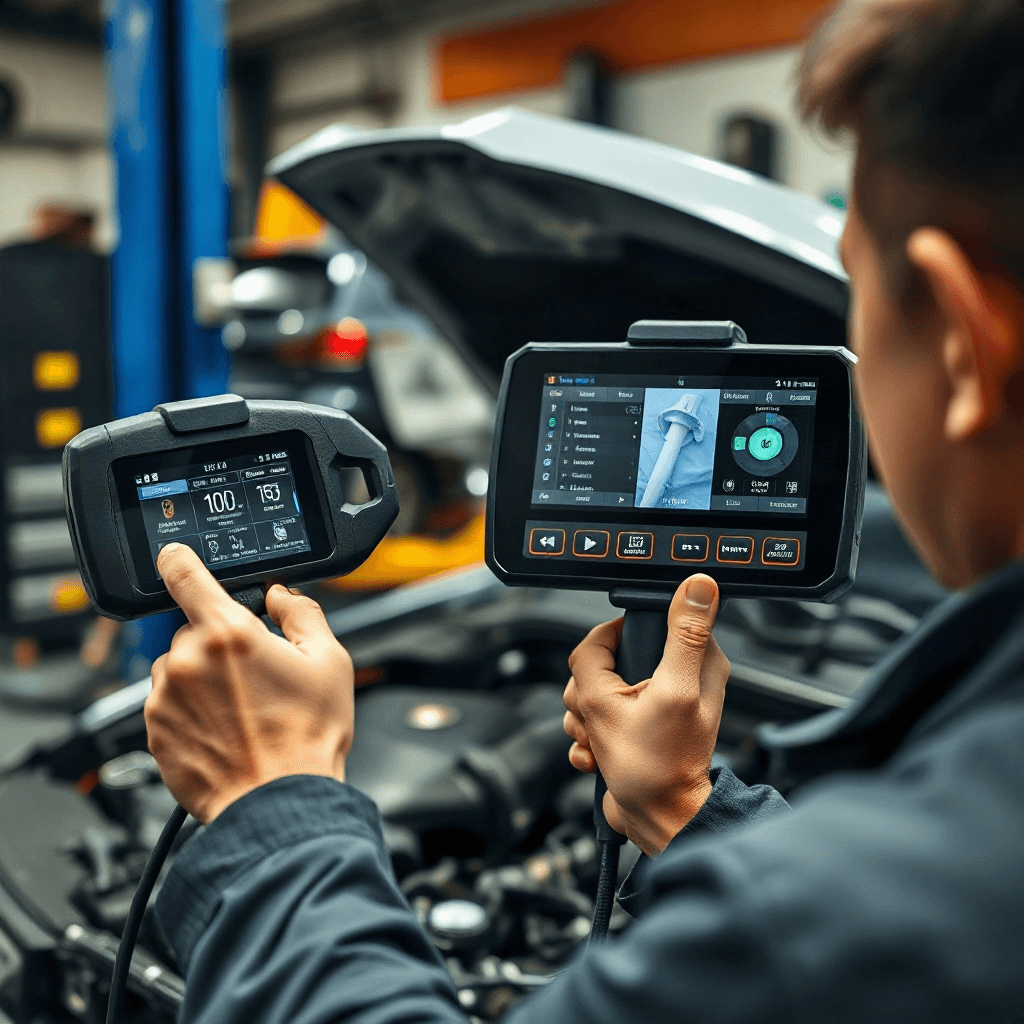
In the ever-evolving world of automotive diagnostics, the use of Mode $06 data has become a critical tool for professionals looking to verify a misfire or catalyst repair. As vehicles become more complex, understanding how this data can aid in precise diagnostics is essential for any technician or enthusiast. Mode $06 offers a detailed glimpse into the vehicle’s on-board diagnostics (OBD), providing valuable insight that goes beyond basic trouble codes. This article aims to demystify the process of utilizing Mode $06 data effectively, ensuring you can confidently diagnose and verify repairs related to misfires or catalyst efficiency.
Understanding Mode 06 Data
Mode $06 data is a powerful feature of the OBD-II system, which allows you to access results from onboard diagnostic tests performed by your vehicle. Unlike generic trouble codes, Mode $06 provides detailed information about the performance of specific components and systems. This data is especially useful when you need to verify the success of a repair, as it offers precise measurements and thresholds set by the manufacturer. For example, if you’ve recently replaced a catalytic converter, Mode $06 can show you whether the component is operating within the expected parameters. To access this data, you’ll need a scan tool capable of reading Mode $06, which is now commonly available on many modern diagnostic devices.
The Role of Mode 06 in Misfire Detection
Misfires are a common issue that can affect engine performance, fuel efficiency, and emissions. The challenge lies in accurately diagnosing the cause, which can range from faulty spark plugs to more complex mechanical issues. This is where Mode $06 data becomes invaluable. It allows you to see real-time information about each cylinder’s performance, helping you pinpoint the exact location and severity of the misfire. By comparing this data against the manufacturer’s predefined thresholds, you can determine whether the misfire falls within acceptable limits or requires further investigation. This precision reduces guesswork and ensures you address the right issue from the start.
Verifying Catalyst Repairs with Mode 06
Catalytic converters play a crucial role in reducing harmful emissions, and their failure can lead to increased pollution and potential fines. When replacing or repairing a catalytic converter, it’s vital to ensure that the new component is functioning correctly. Mode $06 provides the necessary data to verify the efficiency of the catalyst by monitoring parameters like oxygen storage capacity and conversion efficiency. By analyzing this information, you can confirm whether the repair has restored the system to its optimal performance. This not only guarantees compliance with emission standards but also enhances overall vehicle performance.
Interpreting and Analyzing the Data
Interpreting Mode $06 data requires a certain level of expertise, as the information can be quite technical. Each piece of data corresponds to a specific test or measurement, often represented by hexadecimal codes that need to be translated into understandable results. It’s essential to have access to the manufacturer’s documentation or a reliable database that explains these codes. Once you understand what each code means, you can analyze the data to verify repairs or identify ongoing issues. For instance, a code indicating that a catalytic converter has not reached its efficiency threshold suggests that further inspection or replacement may be necessary.
Tools and Techniques for Accessing Mode 06
Accessing Mode $06 data is made easier with the right tools. Modern diagnostic scanners often include features specifically designed for Mode $06, providing a user-friendly interface for viewing and analyzing the data. When choosing a scanner, look for one that offers comprehensive support for Mode $06, including the ability to interpret hexadecimal codes and provide detailed reports. Additionally, familiarize yourself with the software’s functionalities to make the most of the available data. This knowledge, combined with hands-on experience, will enhance your diagnostic capabilities, saving time and improving accuracy in your repairs.
Integrating Mode 06 Data into Your Diagnostic Routine
To maximize the benefits of Mode $06 data, it’s crucial to integrate it into your regular diagnostic routine. Start by using the data to verify repairs, ensuring that all components meet the manufacturer’s specifications before concluding a job. Additionally, incorporate Mode $06 analysis into your periodic maintenance checks, allowing you to identify potential issues before they lead to more significant problems. By consistently utilizing Mode $06, you’ll not only improve the precision of your diagnostics but also build trust with your clients by delivering reliable and effective repairs.