Both Side Mirrors Stopped Working: BCM, Fuse, or Switch Problem?
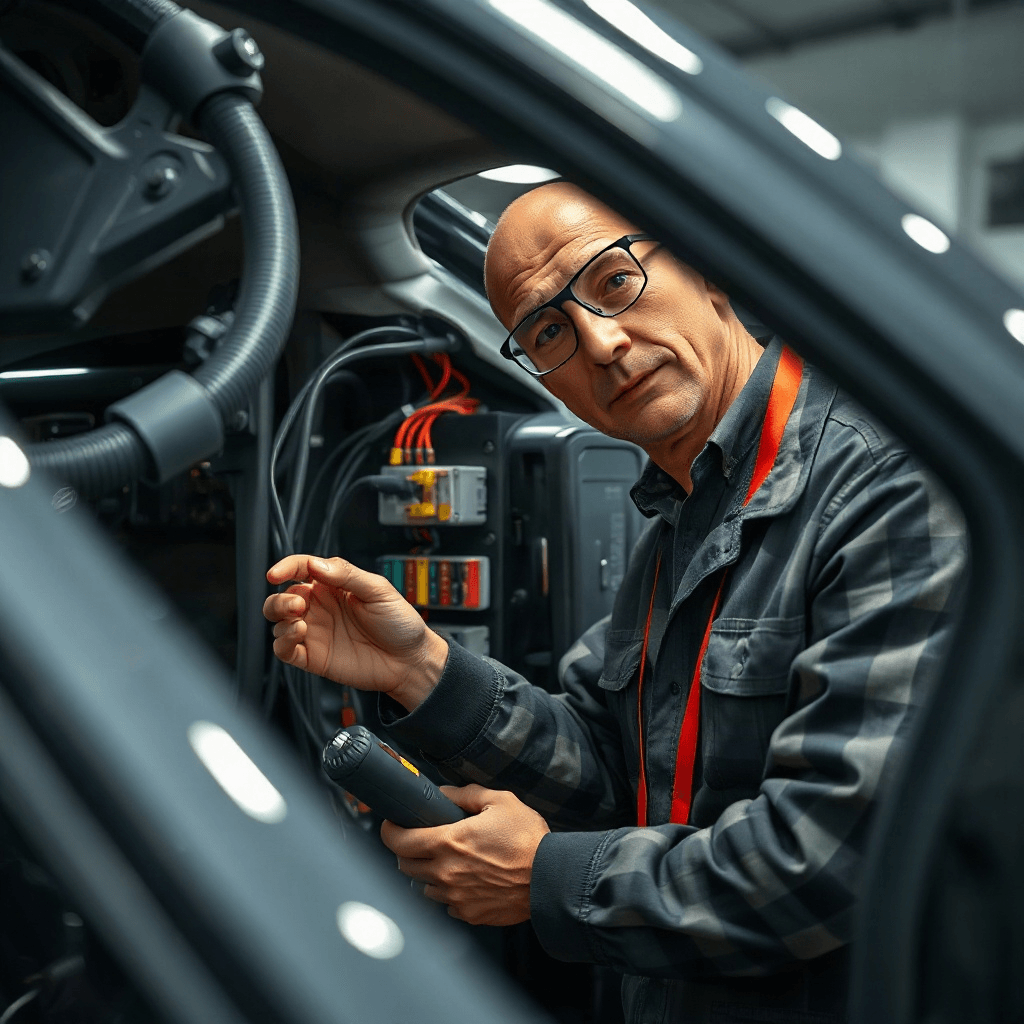
When your car’s side mirrors stop working, it can be more than just an inconvenience; it’s a potential safety hazard. Side mirrors play a crucial role in enhancing the driver’s field of vision, thus ensuring a safer driving experience. If both side mirrors stop functioning simultaneously, it might indicate an underlying issue that warrants immediate attention. This article delves into the potential causes for malfunctioning side mirrors, focusing on the Body Control Module (BCM), fuse issues, and faulty switches. Understanding these components can help diagnose the problem more effectively and potentially save on costly repairs.
Understanding the Role of the Body Control Module
The Body Control Module, or BCM, is a critical component in modern vehicles, serving as the nerve center for the electrical system. It controls and monitors various electronic accessories, including the side mirrors. When the BCM malfunctions, it can disrupt the communication between the mirrors and the control switches, leading to non-responsive mirrors. Diagnosing a BCM issue can be complex, as it requires specialized diagnostic tools to read fault codes stored in the BCM’s memory. Technicians often check for software updates or faults within the BCM’s microprocessor. If a BCM issue is confirmed, a reset or a replacement might be necessary, depending on the severity of the malfunction.
Evaluating the Fuse Box for Issues
Car fuses are designed to protect the vehicle’s electrical components from overcurrent. A blown fuse can be a common reason for the failure of both side mirrors. The fuse box, typically located under the dashboard or in the engine compartment, houses various fuses allocated for different electrical components. To check for a blown fuse, locate the fuse map in the vehicle manual, identify the fuse responsible for the side mirrors, and physically inspect it. A blown fuse will have a broken wire inside. Replacing a blown fuse is straightforward, but it’s crucial to determine why it blew in the first place to avoid repeated failures. Persistent fuse issues may indicate an underlying electrical problem that requires professional attention.
Analyzing the Switch Mechanism
The switch mechanism used to control the side mirrors can also be a source of malfunction. Over time, the switches can wear out due to frequent use, leading to connectivity issues. A faulty switch may not allow the necessary electrical signal to reach the mirrors. Diagnosing a switch issue involves testing the continuity of the switch using a multimeter. If the switch is indeed faulty, it will need to be replaced. In some cases, cleaning the contacts can resolve minor issues. However, if the problem persists, it’s best to replace the switch to ensure consistent performance.
Inspecting Wiring and Connectivity
Wiring and connectivity issues are another potential cause of inoperative side mirrors. Over time, wires can become loose, corroded, or damaged, disrupting the electrical flow. Inspecting the wiring involves checking for visible damage or corrosion at connection points. Loose connections can often be resolved by simply tightening or re-securing the wires. In cases of corrosion, cleaning the contacts with a specialized electrical cleaner can restore the connection. If there is significant damage, it might require replacing the affected wiring section. Proper maintenance of the vehicle’s wiring can prevent many electrical issues, including those affecting the side mirrors.
Exploring Additional Electronic Interferences
Sometimes, electronic interferences from other vehicle systems can affect the side mirrors. Systems such as power windows, door locks, and even the car’s audio system share connections with the BCM or similar circuits, which might interfere with the mirrors’ operation. Diagnosing these issues might require a comprehensive scan of the vehicle’s electrical system to identify any conflicts or malfunctions. Technicians often use diagnostic scanners to pinpoint electronic interferences, allowing for targeted repairs. In some cases, isolating the circuit by disconnecting other systems temporarily can help identify the source of the issue.
Seeking Professional Diagnosis and Repair
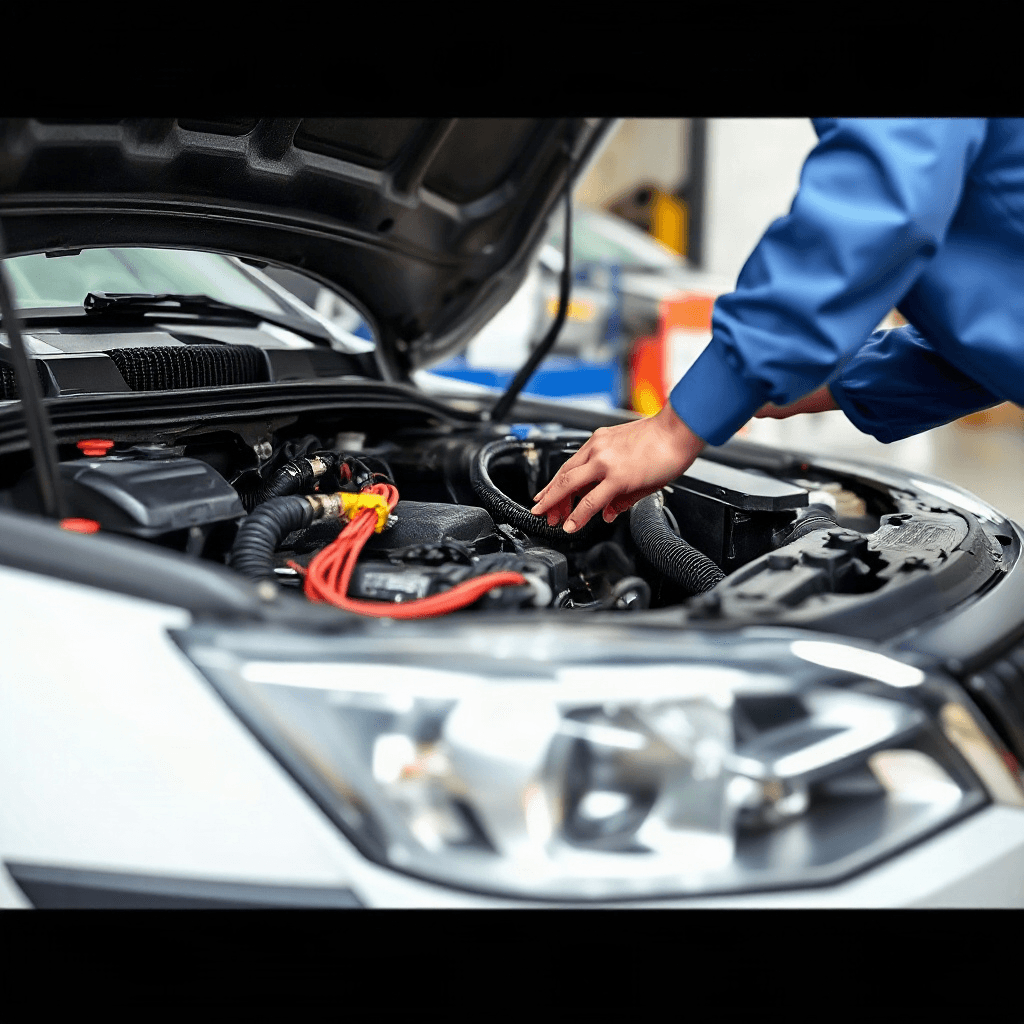
While some car owners might feel comfortable diagnosing and repairing minor issues, problems involving the BCM, wiring, or electronic interferences are best handled by professionals. A certified automotive technician has the tools and expertise to accurately diagnose complex electrical problems. They can ensure that repairs are done correctly, maintaining the integrity of the vehicle’s electrical system. Moreover, professional diagnosis often comes with a warranty, providing peace of mind for the car owner. Seeking professional assistance not only ensures a proper fix but also safeguards against potential safety risks associated with malfunctioning side mirrors.
For more insights on diagnosing electrical issues in vehicles, visit our [automotive diagnostics guide].