Car Jerks During Acceleration: Fuel, Ignition, and Transmission Clues
When a car suddenly jerks during acceleration, it can be a disconcerting experience, indicating underlying mechanical issues that need immediate attention. This unexpected jolt can stem from various systems within the vehicle, such as the fuel delivery, ignition, or transmission systems. Understanding the root cause of these jerks is crucial for maintaining vehicle safety and performance. This article will delve into the possible reasons behind a car’s jerking behavior during acceleration and provide insights into identifying and addressing these issues effectively.
Fuel System Malfunctions
Fuel system issues are one of the primary culprits when a car jerks during acceleration. The fuel pump, responsible for delivering gasoline from the tank to the engine, might be malfunctioning or clogged, leading to inadequate fuel flow. Additionally, dirty fuel injectors can disrupt the smooth delivery of fuel into the combustion chamber, causing intermittent power loss. A failing fuel filter can also restrict the flow of gasoline, leading to similar symptoms. Regular maintenance, including fuel filter replacements and injector cleanings, is essential to prevent these issues. Diagnosing fuel system problems involves examining fuel pressure and inspecting components for blockages or wear, often requiring professional intervention for accurate assessment and repair.
Ignition System Issues
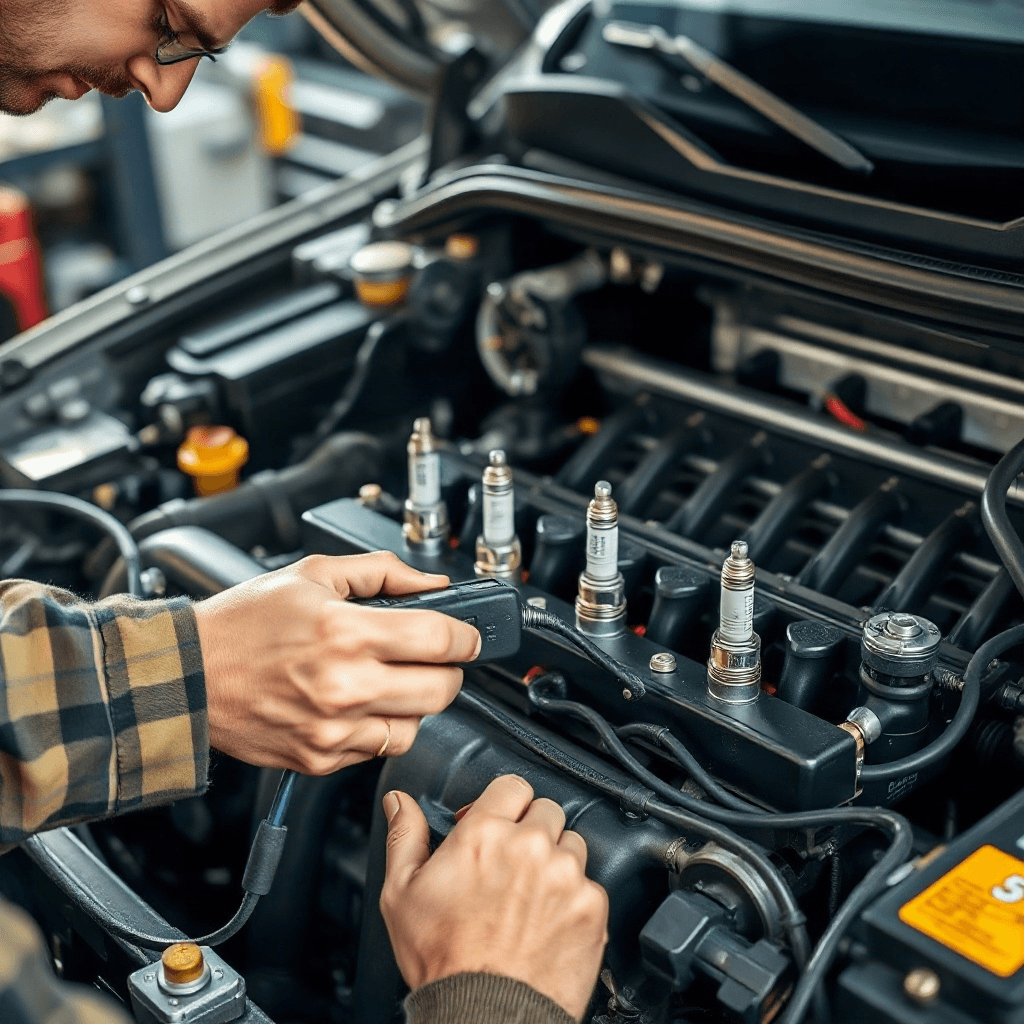
The ignition system plays a crucial role in ensuring smooth acceleration by igniting the air-fuel mixture in the engine’s cylinders. Faulty spark plugs, worn ignition coils, or damaged distributor caps can lead to misfires, which manifest as jerks during acceleration. These components are vital for generating the spark needed for combustion, and any defect can disrupt engine performance. Regular inspection and replacement of spark plugs and ignition components are necessary to maintain proper engine function. Advanced diagnostic tools can help identify misfires and pinpoint faulty ignition components, aiding in swift and efficient repairs. Ensuring optimal performance of the ignition system is key to avoiding acceleration issues.
Transmission Troubles
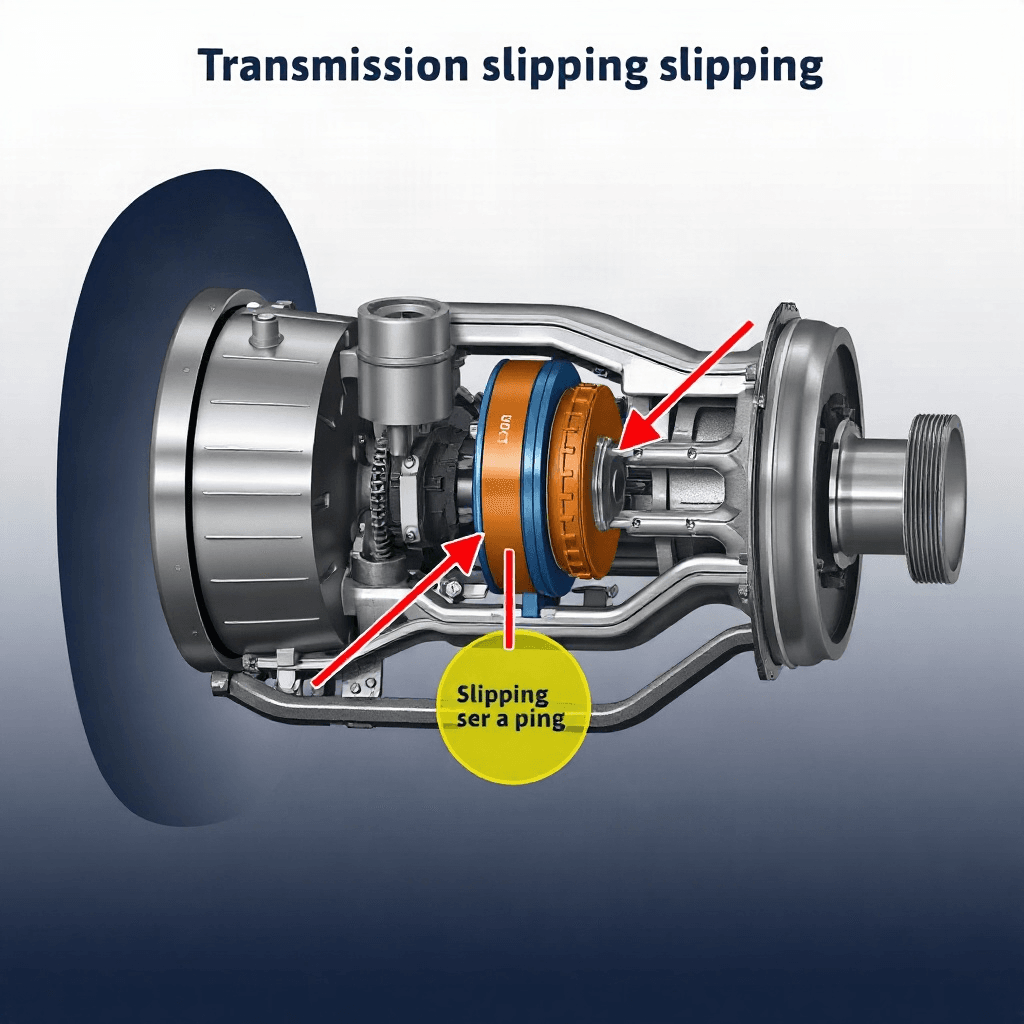
Transmission problems can significantly impact the smooth operation of a vehicle, often causing jerking during acceleration. Automatic transmissions rely on seamless gear shifts, and any delay or slippage can result in a noticeable jolt. Low transmission fluid levels, worn-out clutches, or damaged transmission bands can contribute to such issues. Regular maintenance, including fluid checks and timely replacements, can prevent these problems. For those with manual transmissions, a worn clutch can lead to similar symptoms, requiring immediate attention to avoid further damage. Transmission diagnostics often involve checking fluid levels, inspecting components, and potentially conducting a transmission flush to restore smooth operation.
Sensor and Computer Malfunctions
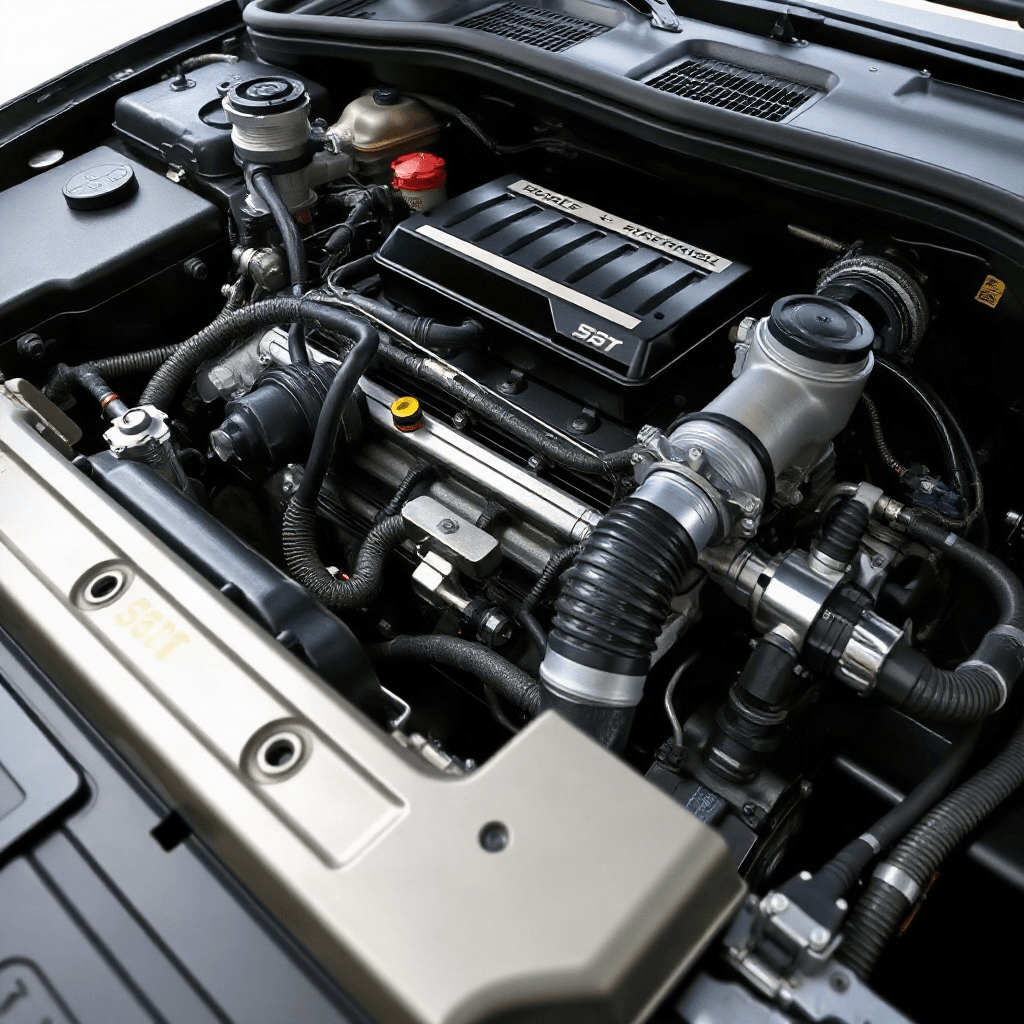
Modern vehicles are equipped with numerous sensors and electronic control units (ECUs) that manage various aspects of engine performance and vehicle operation. Faulty sensors, such as the mass airflow sensor or throttle position sensor, can send incorrect data to the ECU, causing erratic acceleration responses. These errors can lead to fuel mixture imbalances or improper timing adjustments, resulting in jerking motions. Diagnosing sensor issues often requires specialized diagnostic tools to read error codes and assess sensor functionality. Ensuring sensors and electronic systems are functioning correctly is vital for maintaining vehicle performance and preventing jerking issues during acceleration.
Exhaust System Concerns
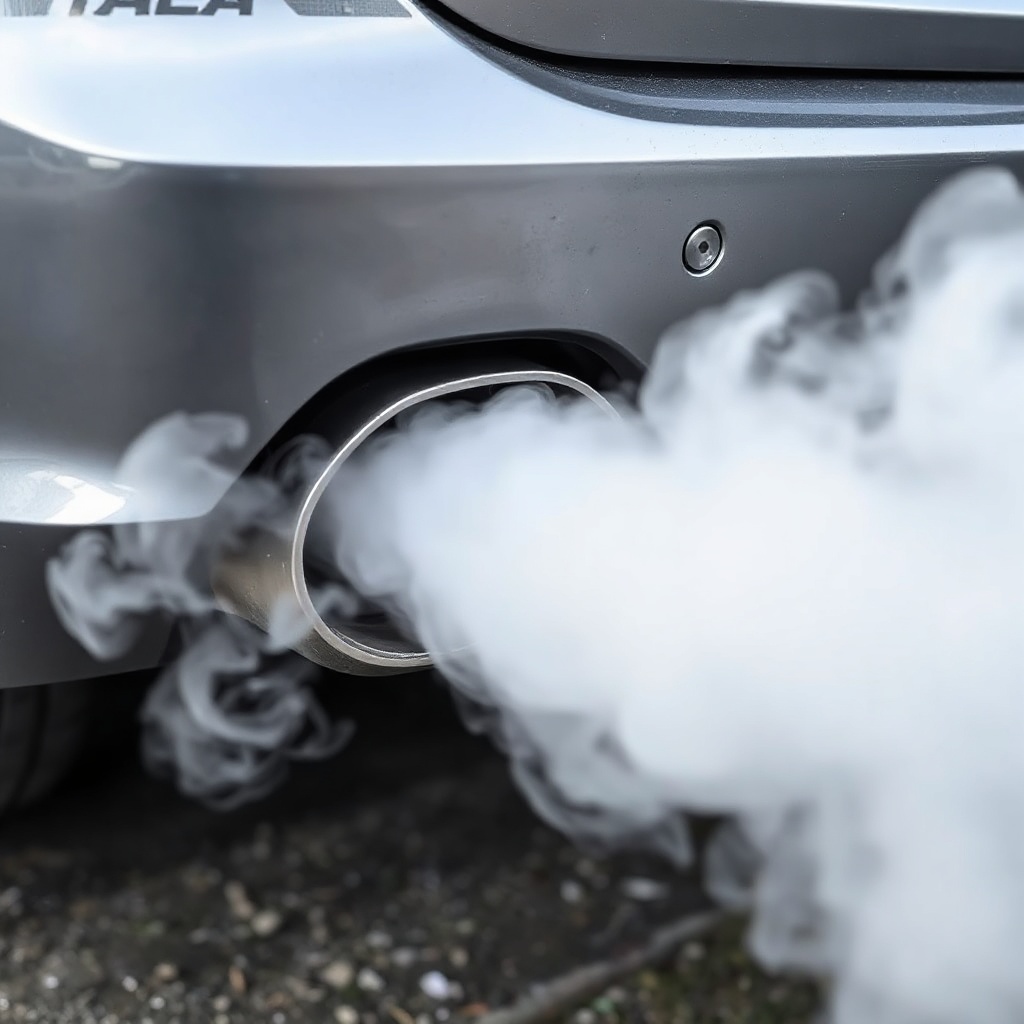
The exhaust system, while often overlooked, can also contribute to jerking during acceleration. A clogged catalytic converter can restrict exhaust flow, increasing back pressure and affecting engine performance. This restriction can lead to power loss and jerking as the engine struggles to expel exhaust gases efficiently. Regular inspections of the exhaust system and addressing any blockages or leaks are important for preventing such issues. In some cases, a failing oxygen sensor can also cause jerking by sending incorrect data to the engine control unit, affecting fuel-air mixture adjustments. Therefore, maintaining a healthy exhaust system is crucial for optimal engine performance.
Preventive Maintenance and Professional Assistance
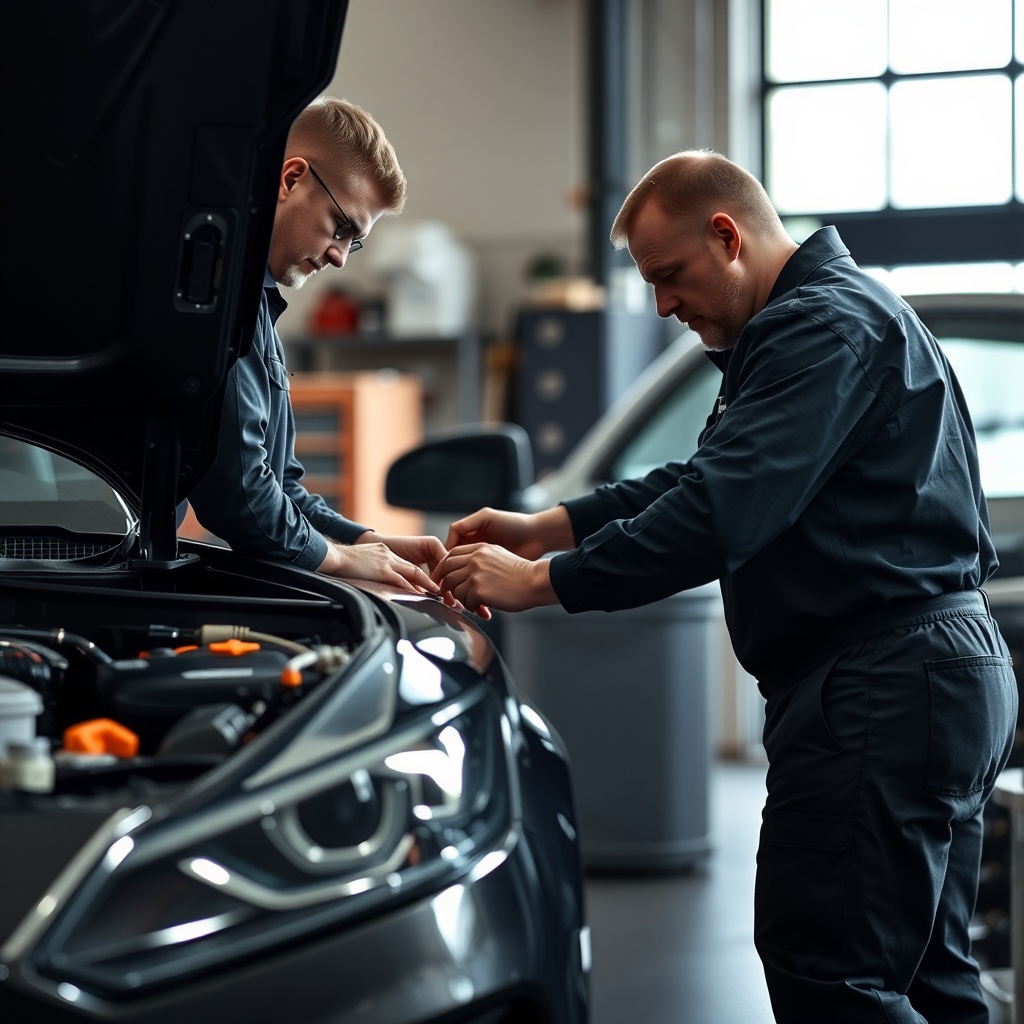
Preventive maintenance is the best strategy to avoid acceleration issues and ensure the longevity of your vehicle. Regularly scheduled maintenance checks can identify potential problems before they escalate. This includes routine inspections of the fuel, ignition, and transmission systems, as well as the sensor and exhaust components. Professional mechanics can provide a comprehensive assessment using advanced diagnostic tools, ensuring accurate identification and resolution of issues. By addressing these concerns proactively, drivers can maintain smooth acceleration and prevent unexpected jerks that compromise safety and comfort. For more on maintaining your vehicle’s performance, refer to [our detailed guide on routine car maintenance].