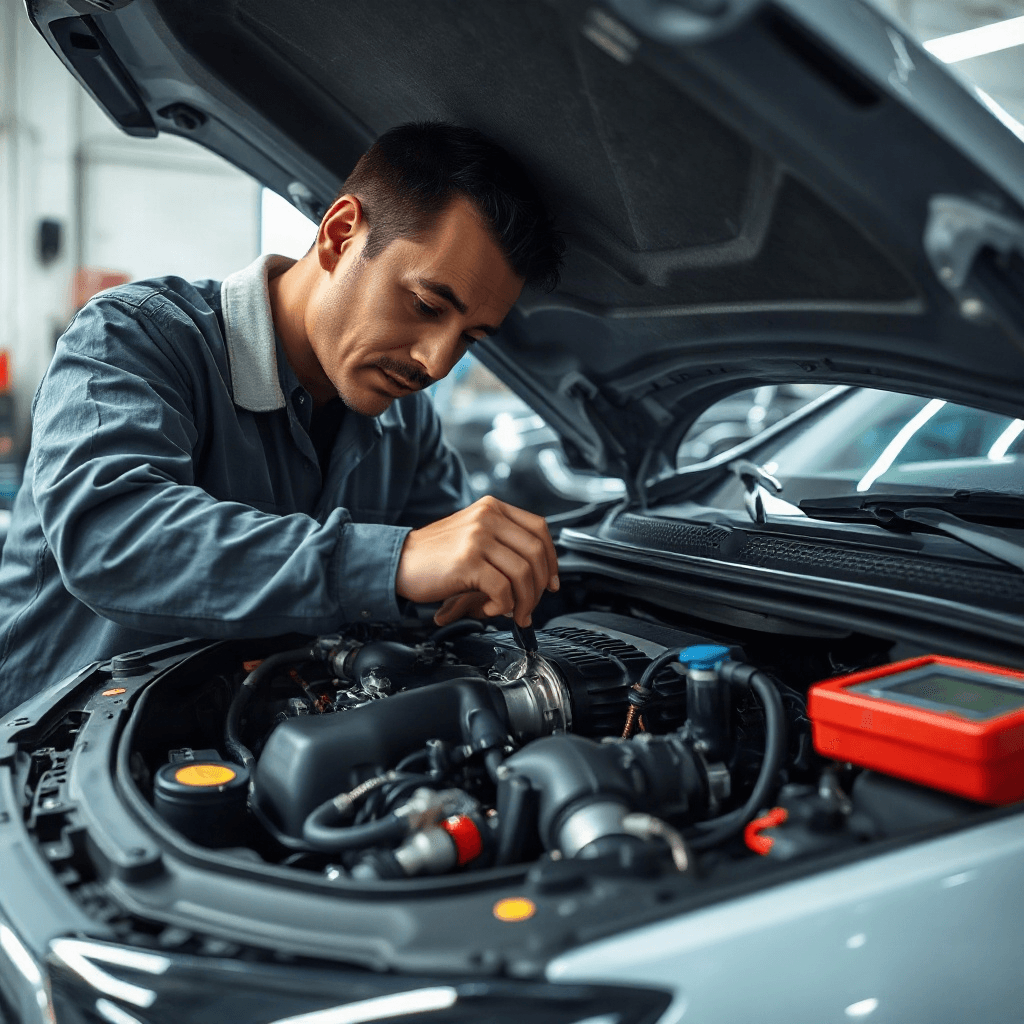
Engine Dies When Coming to a Stop: Idle, Vacuum, and Fuel Checks
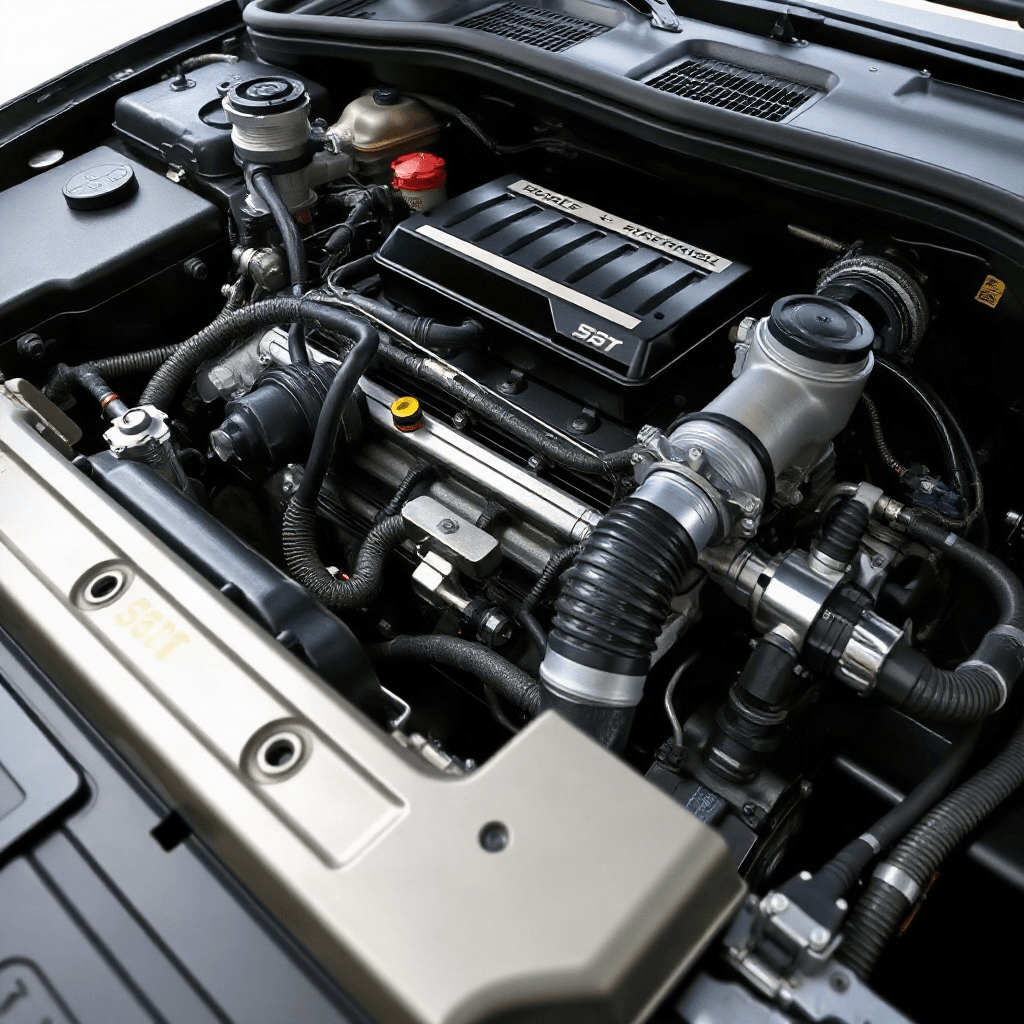
In the world of automotive maintenance, few issues are as frustrating as an engine that stalls when coming to a stop. This problem can arise due to several factors, and understanding each component is crucial for effective troubleshooting. Our goal is to delve into the nuances of idle speed, vacuum systems, and fuel checks to provide a comprehensive analysis of potential causes and solutions. By exploring these areas, we can illuminate the often complex interplay between these systems and help you navigate the path to a smoothly running engine.
Understanding Idle Speed Control
Idle speed is the heart of engine operation at rest. It ensures that your engine runs smoothly when the vehicle is stationary, balancing the air-fuel mixture to avoid stalling. The idle speed is controlled by various components, such as the idle air control valve (IACV), throttle position sensor, and the engine control unit (ECU). Each part plays a role in maintaining the optimal revolutions per minute (RPM). When the idle speed is improperly adjusted or when the IACV is dirty or malfunctioning, it can lead to stalling. By performing regular checks and cleanings, we can prevent these issues from escalating.
Detecting Vacuum Leaks
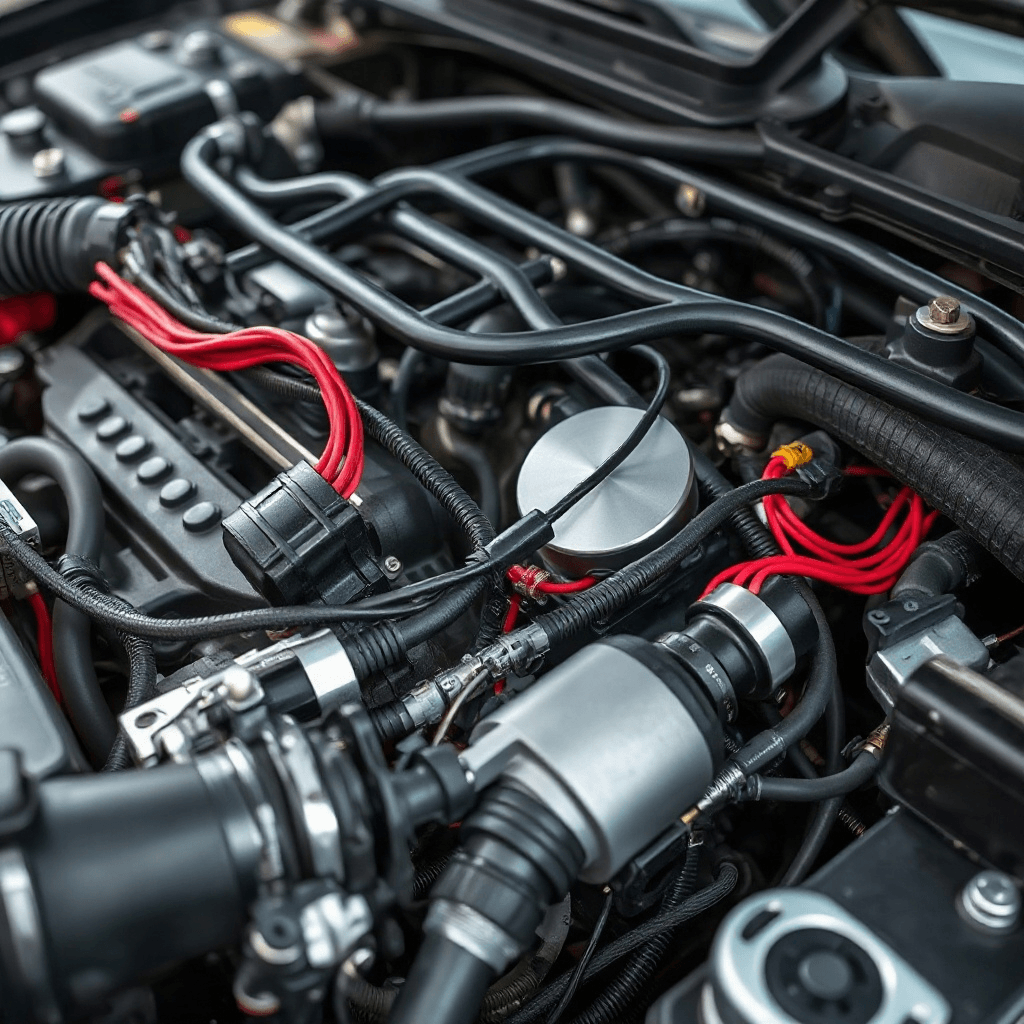
Vacuum leaks are silent culprits that can disrupt engine performance. These leaks occur when unmetered air enters the engine, skewing the air-fuel mixture and causing erratic idling or stalling. Common sources of vacuum leaks include cracked hoses, faulty gaskets, and deteriorated seals. To diagnose a vacuum leak, we can employ several methods such as smoke testing or using a vacuum gauge. Addressing vacuum leaks promptly not only resolves stalling issues but also improves fuel efficiency and engine performance.
Evaluating the Fuel System
An engine’s fuel system is vital for delivering the necessary fuel to maintain combustion. Problems within this system can lead to insufficient fuel supply, resulting in stalling. Key components to examine include the fuel pump, fuel filter, and injectors. A clogged fuel filter or a failing fuel pump can restrict fuel flow, causing the engine to stall when demand is high, such as during idling. Regular maintenance, including fuel filter replacement and injector cleaning, can mitigate these risks and ensure a steady fuel supply.
Analyzing the Role of Sensors
Modern engines rely heavily on various sensors to relay critical information to the ECU. These sensors, including the mass airflow sensor (MAF) and oxygen sensors, are essential for maintaining the correct air-fuel ratio. A malfunctioning sensor can send incorrect data, causing the ECU to misadjust the mixture, leading to stalling. Regular diagnostic scans can help us identify sensor issues early, allowing for timely replacements or recalibrations.
Exploring the Impact of Environmental Factors
Environmental conditions can also influence engine performance. Extreme temperatures, high humidity, or altitude changes can affect air density and pressure, altering the air-fuel mixture. While modern vehicles are equipped with systems to compensate for these changes, they are not foolproof. Understanding how these factors interact with engine components allows us to take preventive measures, such as using appropriate fuel types or adjusting the idle speed to accommodate varying conditions.
Preventative Maintenance for Optimal Performance
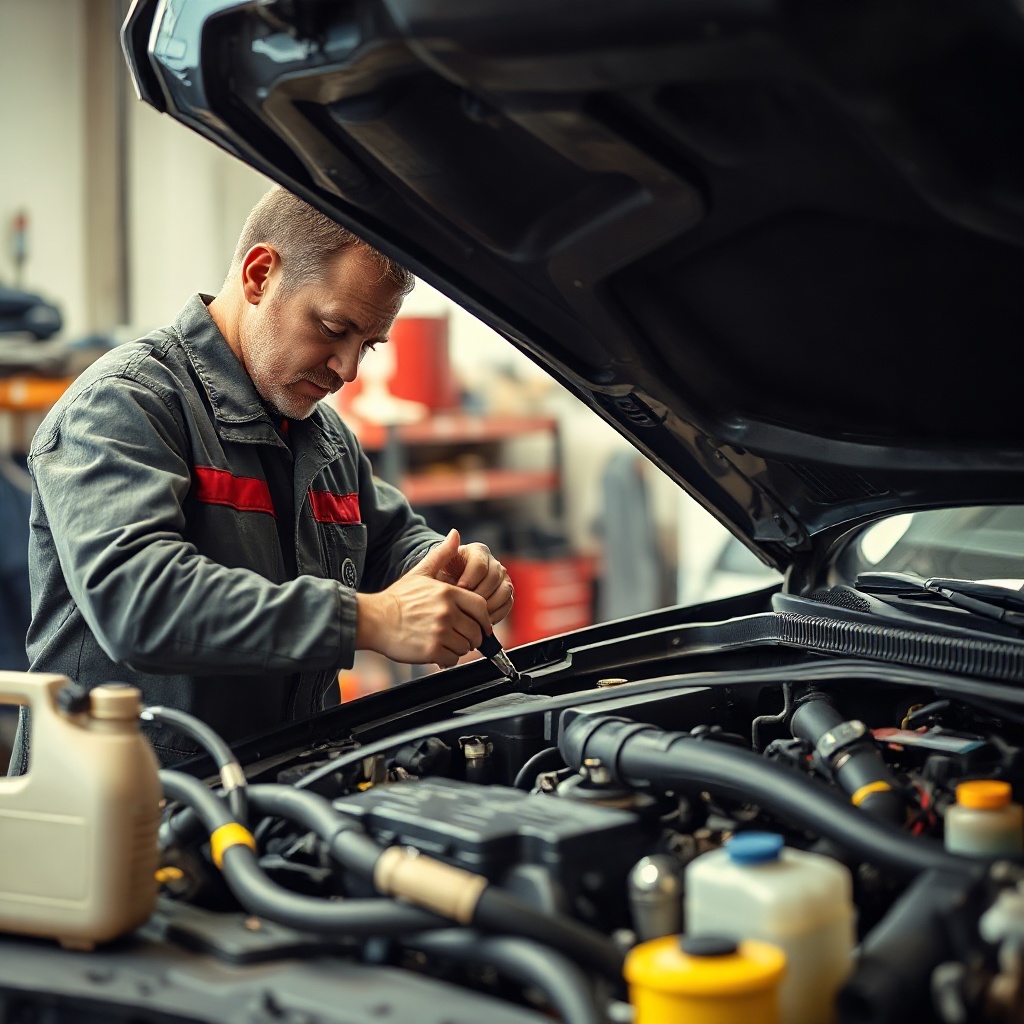
Preventative maintenance is key to avoiding engine stalls. By regularly inspecting and servicing the engine’s idle speed components, vacuum system, and fuel delivery system, we can preemptively address issues before they lead to more significant problems. Additionally, using quality parts and following the manufacturer’s maintenance schedule enhances engine reliability. Incorporating these practices not only prevents stalling but also extends the engine’s life and improves overall vehicle performance.
In conclusion, addressing engine stalling when coming to a stop requires a multifaceted approach. By understanding and maintaining the idle speed, checking for vacuum leaks, and ensuring the fuel system’s efficiency, we can keep the engine running smoothly. For those interested in further technical insights, be sure to explore [related automotive maintenance topics] in our comprehensive guide.