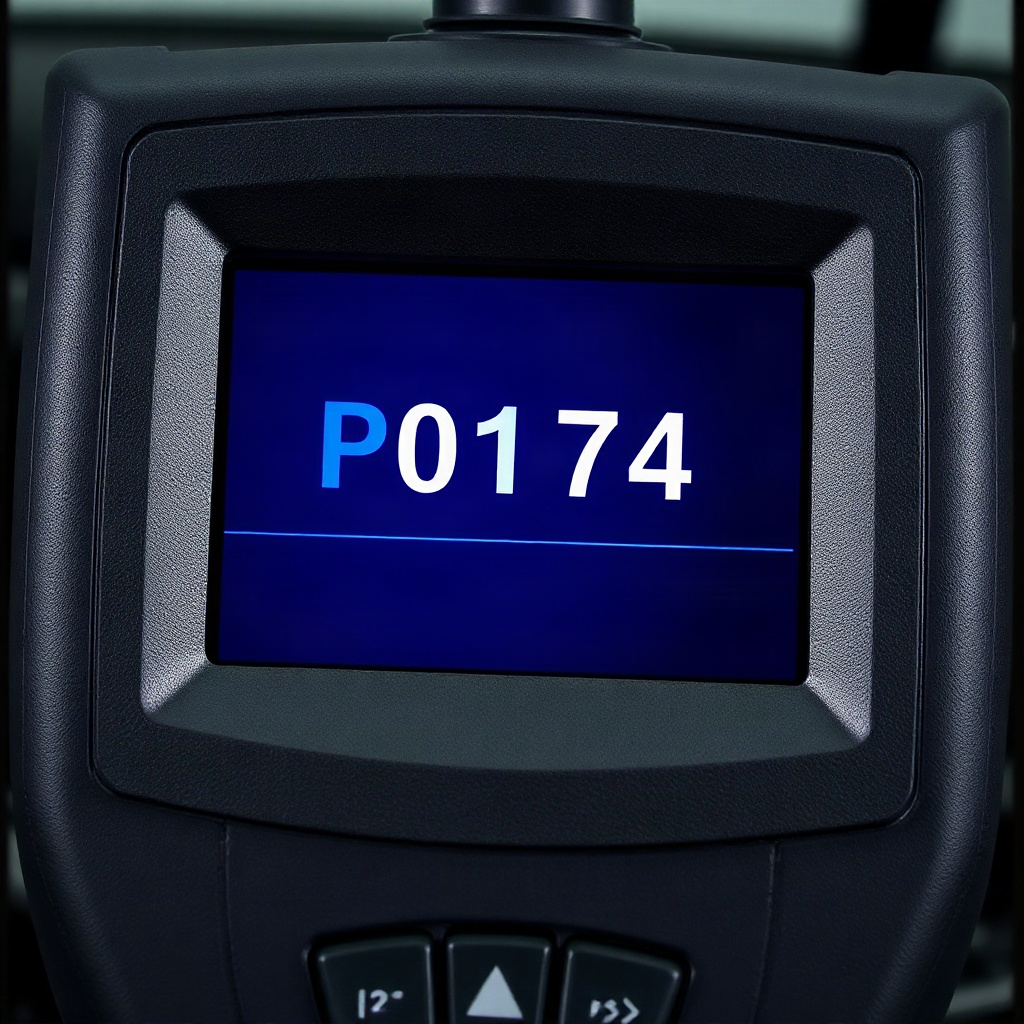
P0446 Code: Evaporative Emission System Vent Control Circuit Malfunction
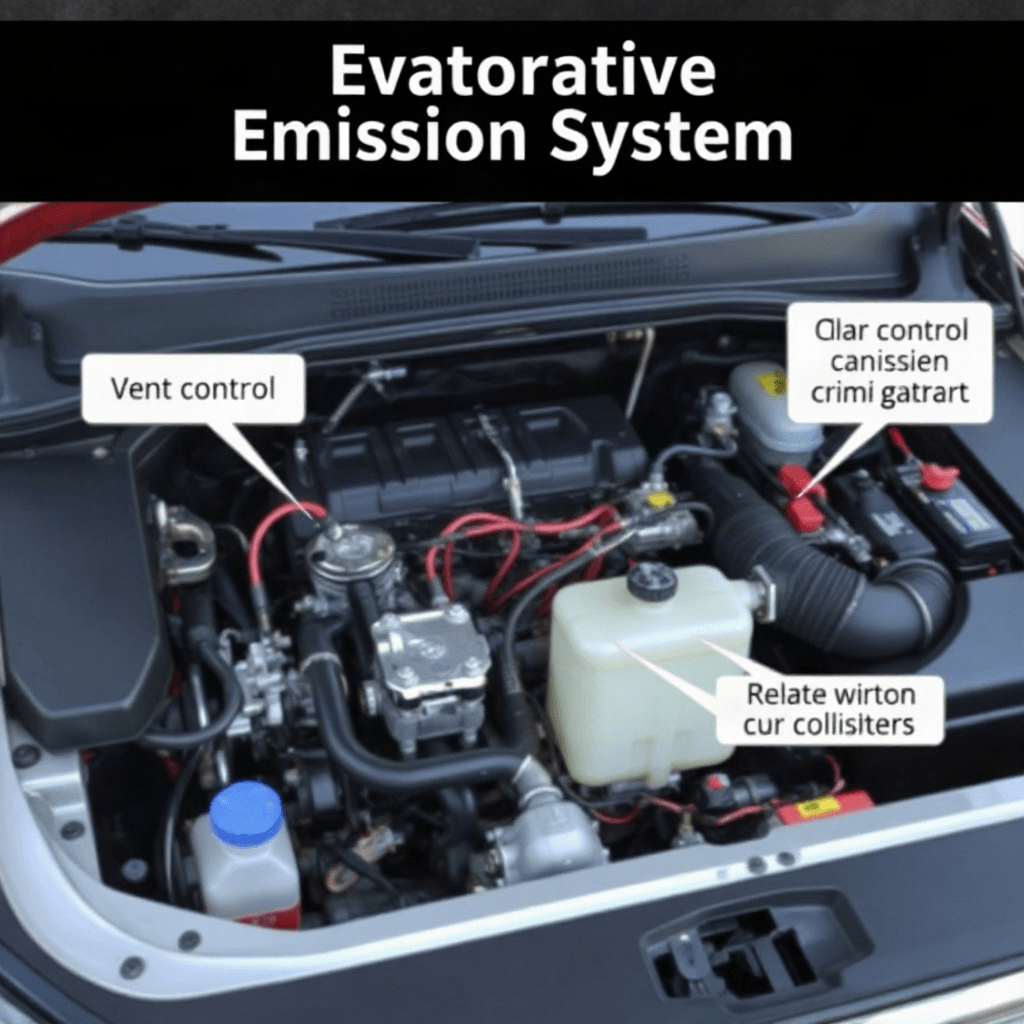
The P0446 code, indicating a malfunction in the evaporative emission system’s vent control circuit, is a topic that commands attention among automotive professionals and enthusiasts alike. As someone deeply engaged in this field, I find it essential to delve into the complexities of this code, which often presents itself as a persistent issue in many vehicles. The evaporative emission system is crucial for controlling the release of fuel vapors, thereby aiding in environmental protection and vehicle efficiency. Understanding the P0446 code not only helps in diagnosing vehicle issues but also in maintaining compliance with emission regulations. In this article, I will explore the intricacies of the P0446 code, its causes, effects, and how it can be addressed effectively.
Understanding the Basics of the Evaporative Emission System
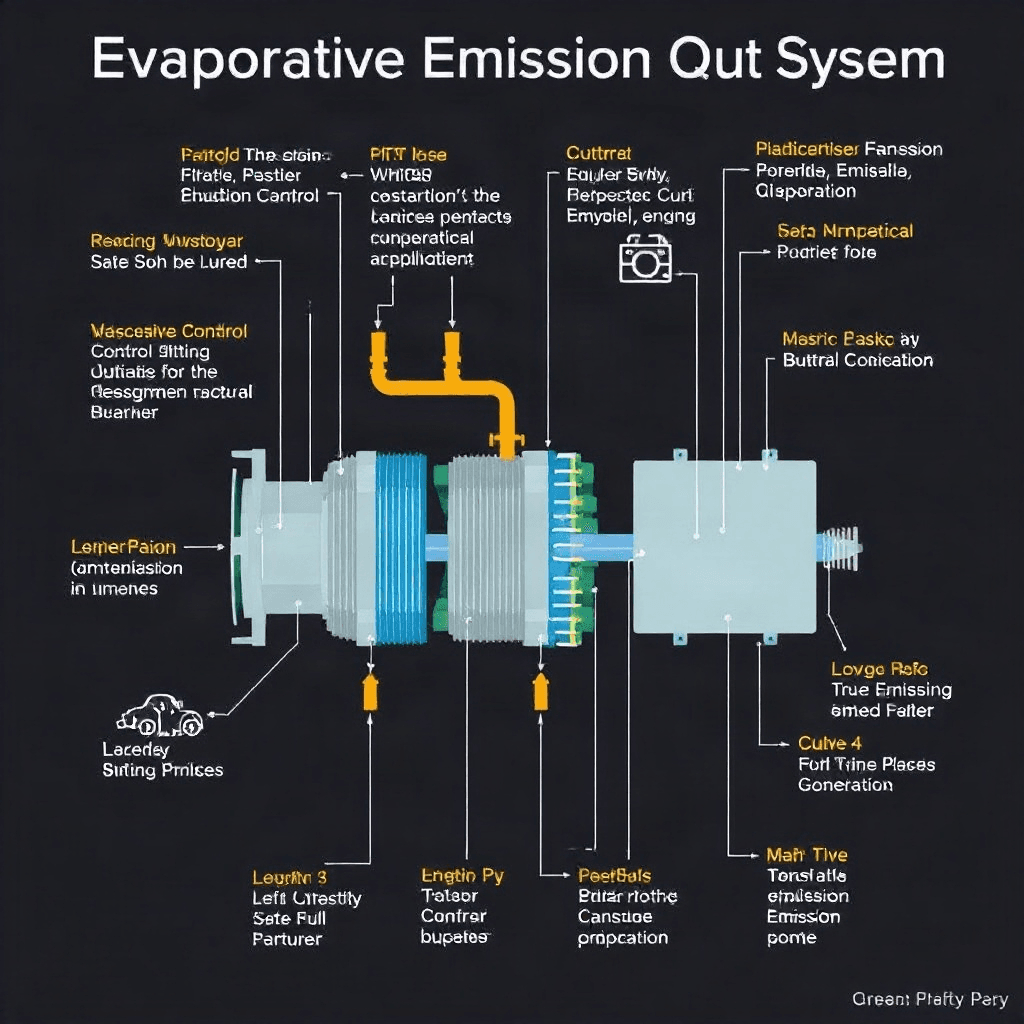
The evaporative emission system (EVAP) plays a pivotal role in a vehicle’s emission control strategy by preventing fuel vapors from escaping into the atmosphere. This system captures fuel vapors from the fuel tank and stores them in a charcoal canister. The vapors are then directed to the engine to be burned as part of the combustion process. The vent control circuit, integral to this system, regulates the purging of these vapors. When a P0446 code is triggered, it signifies a malfunction in this circuit, which could be due to several underlying issues. Recognizing the components involved, including the canister, purge valve, and vent solenoid, is vital for diagnosing the problem accurately.
Common Causes of P0446 Code
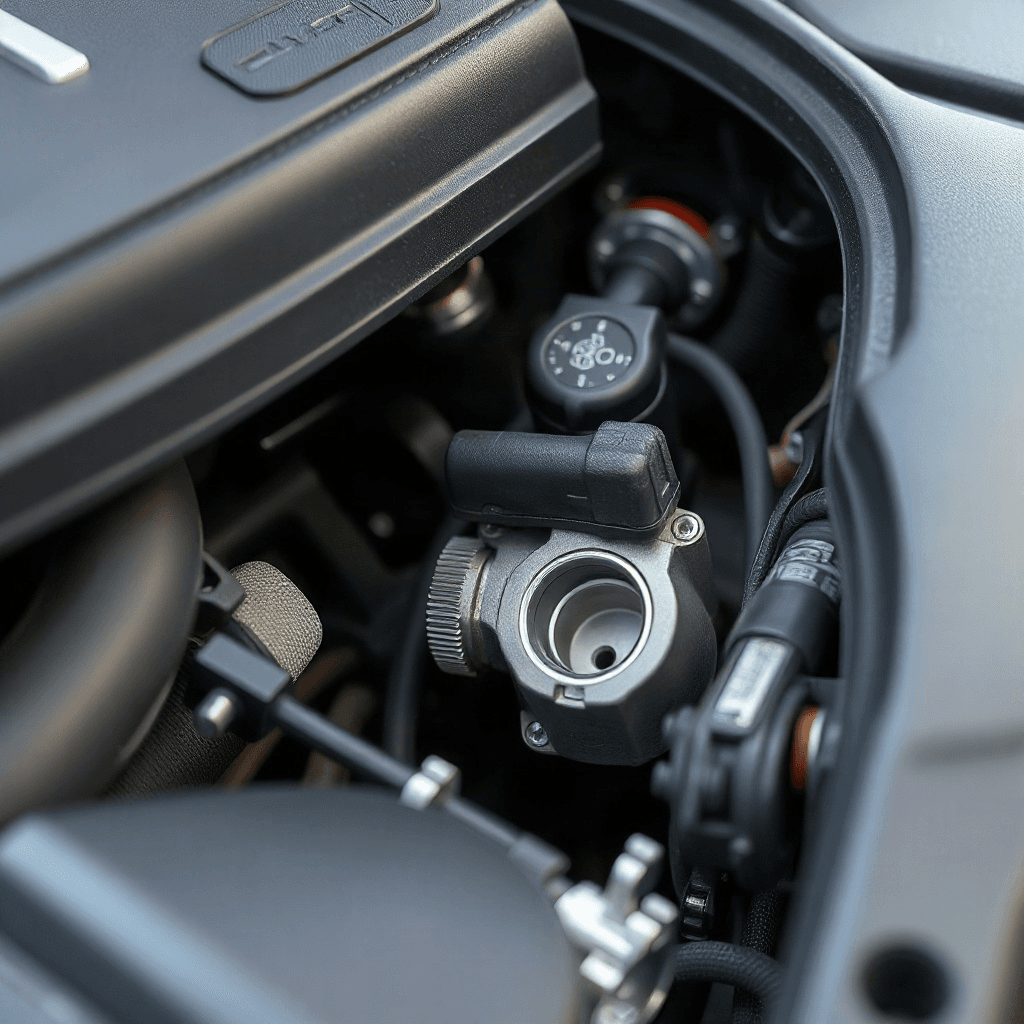
Several factors can lead to the activation of the P0446 code, each requiring specific attention. One prevalent cause is a faulty vent control valve, which may be stuck open or closed, impeding the proper flow of vapors. Additionally, wiring issues such as frayed connections or shorts can disrupt the circuit’s functionality. A clogged charcoal canister, often due to fuel overfilling, can also contribute to this malfunction. Moreover, environmental factors, including debris or insects blocking the vent hose, should not be overlooked. Understanding these causes is critical for an effective troubleshooting process, ensuring that each potential issue is assessed and resolved systematically.
Diagnosing the P0446 Code
Diagnosing a P0446 code requires a methodical approach, often beginning with a detailed visual inspection of the evaporative emission system components. Utilizing an OBD-II scanner can provide insight into the error codes and any associated problems. Testing the vent control valve’s operation, along with examining the electrical connections for continuity and resistance, forms the crux of the diagnostic process. In some cases, conducting a smoke test can help identify leaks within the EVAP system. By following these diagnostic steps, one can pinpoint the exact cause of the P0446 code, facilitating a targeted repair strategy.
Impact of P0446 Code on Vehicle Performance
While the P0446 code primarily affects the emission control system, its impact on overall vehicle performance should not be underestimated. A malfunctioning vent control circuit can lead to increased emissions, which may result in failed emissions tests and potential fines. Additionally, the vehicle’s fuel economy might suffer due to unburned vapors escaping into the atmosphere. If left unaddressed, this issue could lead to more significant problems within the engine system, potentially causing further damage and costly repairs. Therefore, addressing the P0446 code promptly is crucial for maintaining both environmental compliance and vehicle efficiency.
Effective Solutions and Repairs for P0446 Code
Resolving a P0446 code often involves replacing the malfunctioning components, such as the vent control valve or the charcoal canister. In cases where wiring issues are identified, repairing or replacing the affected connections is necessary. Regular maintenance, including checking the EVAP system for blockages and ensuring all connections are secure, can prevent the recurrence of this issue. Advanced diagnostic tools and techniques can assist in verifying that the repairs are effective. By taking these corrective measures, one can restore the functionality of the evaporative emission system, ensuring optimal vehicle performance.
Preventive Measures for Future Avoidance
To prevent the recurrence of the P0446 code, implementing routine maintenance and inspections of the evaporative emission system is paramount. This includes regular checks of the vent control valve, ensuring it operates smoothly, and inspecting the charcoal canister for any signs of clogging. Additionally, educating oneself on proper fueling practices, such as avoiding overfilling the tank, can mitigate potential issues. Staying informed about the latest advancements in vehicle emission technology can also aid in understanding and preventing such malfunctions. By adopting these preventive measures, one can enhance the longevity and reliability of their vehicle’s emission system.