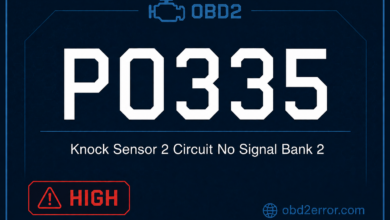
P0222 Code: Throttle/Pedal Position Sensor B Circuit Low Input
The P0222 code, a technical term many vehicle owners may encounter, is central to understanding potential issues with your car’s throttle or pedal position sensor. This diagnostic trouble code (DTC) is associated with a low input signal from the throttle or pedal position sensor ‘B’ circuit, which can lead to performance issues or even engine stalling. It’s crucial for vehicle owners and technicians to comprehend the implications of this code to address the underlying problems effectively. This article delves into the intricacies of the P0222 code, offering a detailed analysis of its causes, symptoms, and potential solutions to keep your vehicle running smoothly. By understanding this code, you can ensure that your vehicle operates at optimal efficiency and avoid unnecessary repairs. [Click here to learn more about vehicle diagnostics](#).
Understanding the Throttle Position Sensor
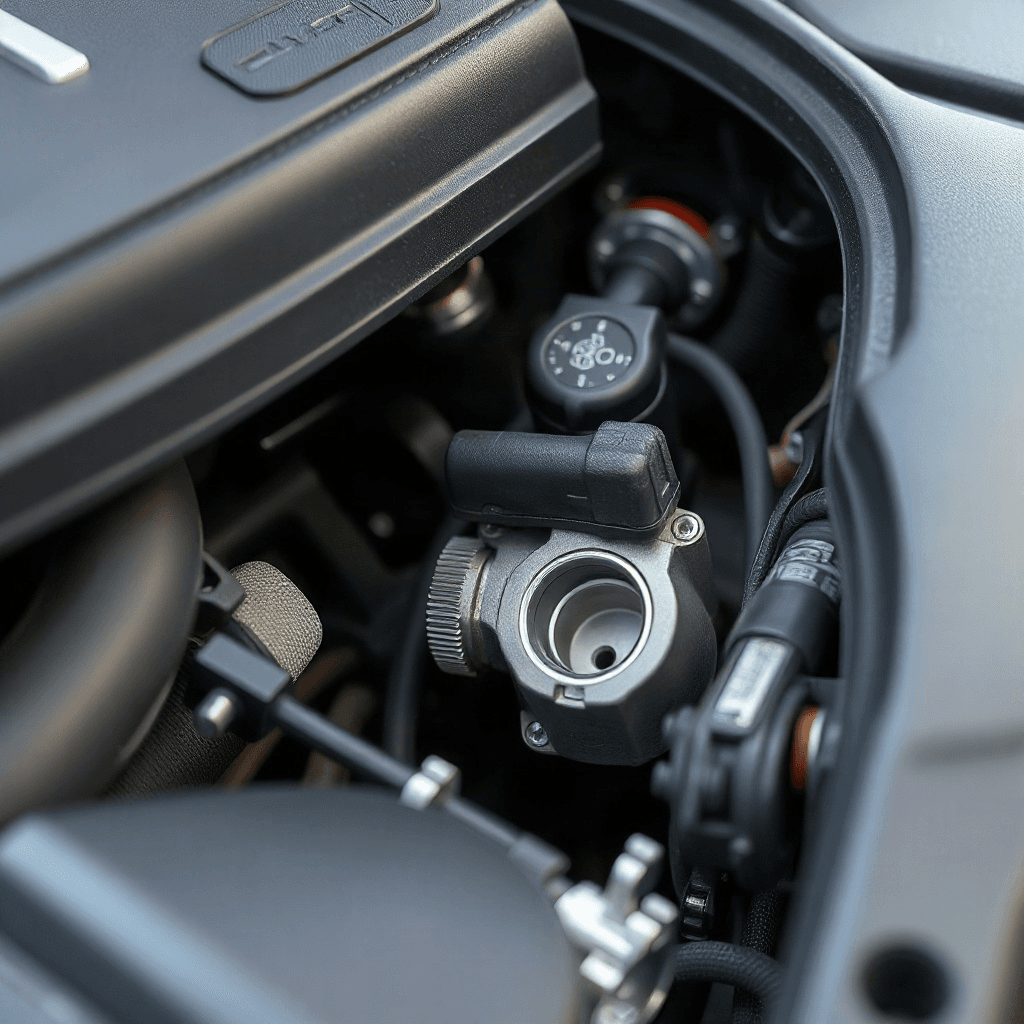
The throttle position sensor (TPS) is a pivotal component in modern vehicles, playing a crucial role in managing the air and fuel mixture needed for combustion. It provides real-time data to the engine control unit (ECU) regarding the position of the throttle valve, which in turn helps regulate the air intake. A malfunction in this sensor, indicated by the P0222 code, can lead to significant engine performance issues. The TPS is typically located on the butterfly spindle/shaft, allowing it to monitor the throttle position accurately. Any disruption in its signal can cause the ECU to misinterpret the throttle position, leading to engine misfires or hesitation during acceleration. Thus, understanding the TPS’s function is essential for diagnosing and addressing issues related to the P0222 code.
Symptoms of the P0222 Code
Recognizing the symptoms associated with the P0222 code can aid in diagnosing the issue before it escalates. Common symptoms include a lack of power during acceleration, engine stalling, or a sudden increase in idle speed. Drivers may also notice an illuminated check engine light, which is often the first indication of a problem. Inconsistent throttle response is another symptom, as the ECU struggles to process incorrect data from the TPS. Additionally, fuel efficiency may decrease, as the engine compensates for the irregular signals. Being aware of these symptoms can help vehicle owners take timely action, potentially preventing further damage to the engine or related components.
Causes of the P0222 Code
Several factors can trigger the P0222 code, many of which involve the throttle position sensor or its circuit. Electrical issues such as a damaged wiring harness, poor connections, or a faulty sensor can disrupt the signal to the ECU. Corrosion or physical damage to the sensor can also lead to incorrect readings. Moreover, software glitches within the ECU or issues with related components, such as the throttle body, can contribute to the problem. Environmental factors, like moisture or extreme temperatures, may exacerbate these issues, affecting the sensor’s performance. Identifying the exact cause is crucial for implementing the appropriate repair or replacement strategy.
Diagnosing the P0222 Code
Proper diagnosis of the P0222 code is essential to pinpoint the root cause and apply effective solutions. Technicians typically start with a visual inspection of the TPS and its associated wiring for any signs of damage or wear. Using a digital multimeter, they can verify the sensor’s voltage and resistance levels to ensure they fall within specified ranges. Advanced diagnostic tools like an OBD-II scanner can read the stored trouble codes, providing further insight into the problem. It is also important to check the throttle body and related components for any anomalies. A systematic approach to diagnosis ensures that the correct issue is addressed, avoiding unnecessary parts replacement.
Solutions and Repairs for the P0222 Code
Once the P0222 code has been diagnosed, implementing the correct solution is vital for restoring vehicle performance. If the sensor or its wiring is damaged, replacing or repairing these components is often necessary. Cleaning the throttle body and ensuring all electrical connections are secure can also resolve the issue. In some cases, reprogramming or updating the ECU software may be required if software glitches are identified. Regular maintenance and inspections can prevent future occurrences by ensuring that all components are in optimal condition. By addressing the problem promptly, vehicle owners can maintain engine performance and efficiency.
Preventing Future Issues with the Throttle Position Sensor
Preventive measures can significantly reduce the likelihood of encountering the P0222 code. Regular vehicle maintenance, including routine inspections of the throttle position sensor and related wiring, can identify potential issues before they escalate. Ensuring that the engine is clean and free from contaminants can minimize sensor damage. Additionally, using quality fuel and adhering to the manufacturer’s service schedule can maintain optimal engine performance. Educating oneself about the importance of the TPS and staying vigilant for any symptoms can further aid in preventing future problems, ultimately extending the lifespan of your vehicle’s engine components.