Engine Surges at a Steady Speed: Causes and Diagnostic Priorities

Engine surging at a steady speed is a perplexing phenomenon that not only frustrates drivers but also poses potential risks to vehicle performance and safety. This issue, characterized by sudden increases and decreases in engine power while maintaining a constant throttle position, can be attributed to an array of mechanical and electronic components within the vehicle’s system. Understanding the root causes of engine surges is essential for effective diagnosis and repair, ensuring that vehicles operate smoothly and efficiently. This article delves into the primary causes of engine surges, explores diagnostic priorities, and provides insights from an expert perspective to aid in resolving this automotive anomaly.
Common Causes of Engine Surges
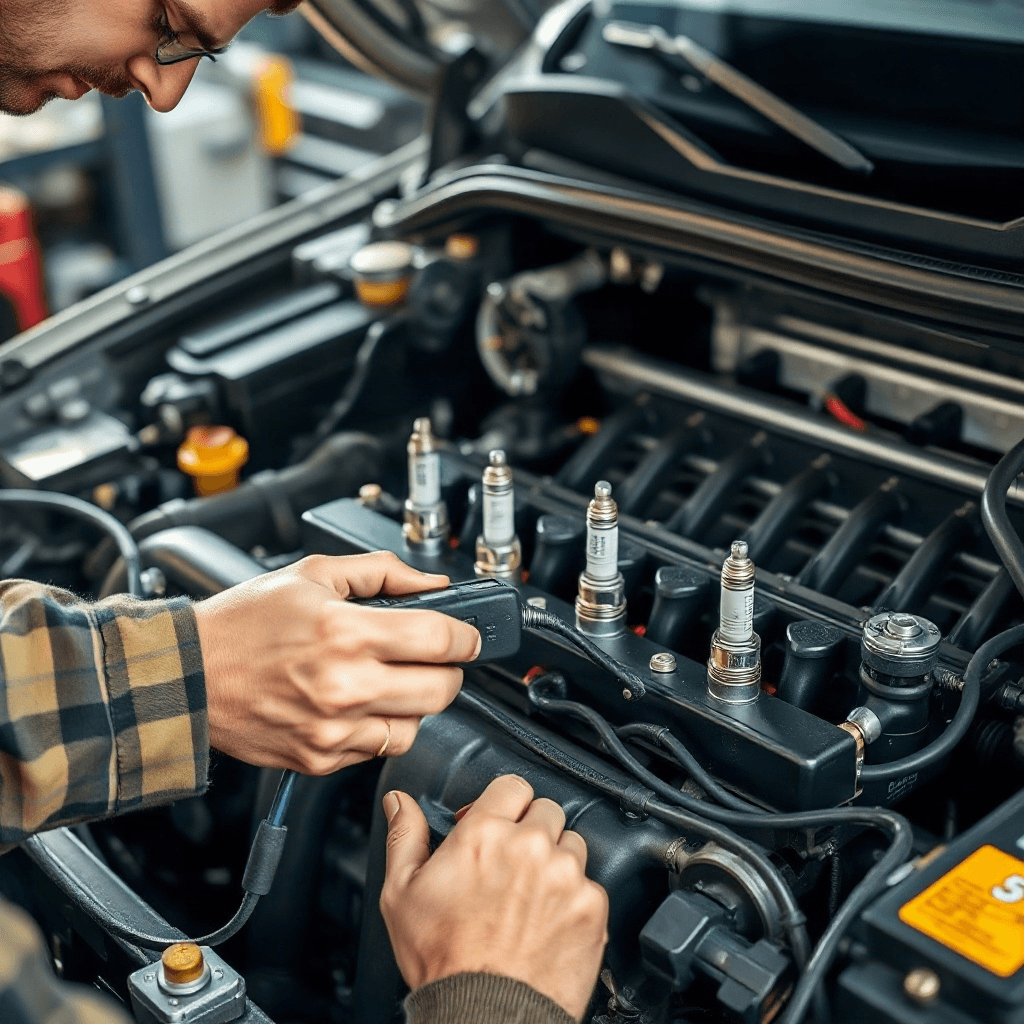
One of the most prevalent causes of engine surges is a faulty fuel system. An inconsistent fuel supply, often due to a malfunctioning fuel pump or clogged fuel filters, can lead to irregular combustion and engine performance fluctuations. Additionally, air intake systems play a crucial role; any obstruction or malfunction within the air intake, such as a dirty air filter or a malfunctioning mass air flow sensor, can disrupt the air-fuel mixture, causing the engine to surge. Ignition system issues, including worn spark plugs or a faulty ignition coil, can also lead to misfires, contributing to erratic engine behavior. Lastly, electronic control units (ECUs) or sensors that govern engine performance may develop faults or inaccuracies over time, further complicating diagnosis.
Diagnostic Tools and Techniques
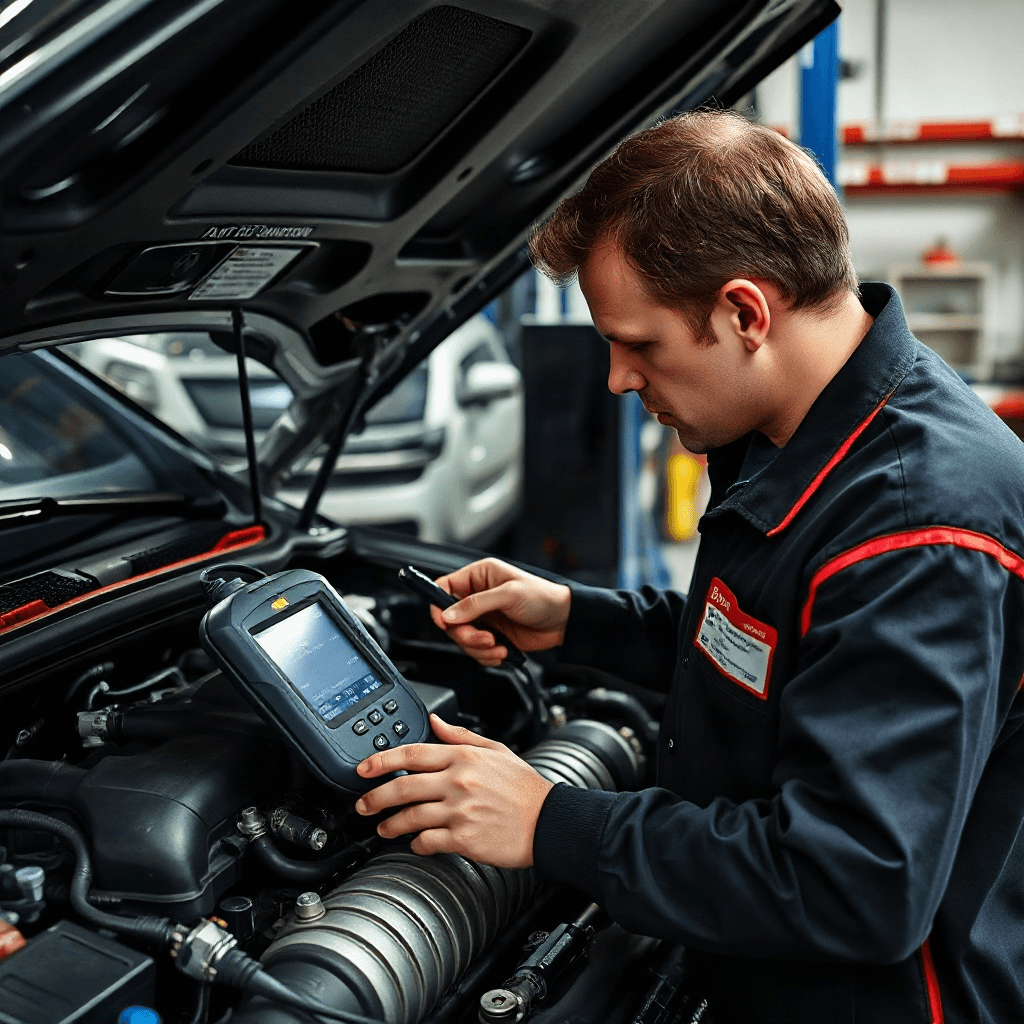
Effective diagnosis of engine surges requires a comprehensive understanding of the vehicle’s electronic and mechanical systems. Technicians often employ advanced diagnostic tools such as OBD-II scanners to retrieve error codes that may point to specific issues within the engine management system. These electronic diagnostics, combined with visual inspections and manual testing of components like fuel pressure and air intake systems, form the backbone of a systematic approach to identifying the root cause. Understanding the interplay between various vehicle systems and interpreting diagnostic data accurately is essential for pinpointing the source of engine surges.
The Role of Software and Electronic Systems
Modern vehicles are increasingly reliant on complex electronic systems to manage engine performance. Software glitches or outdated ECU programming can lead to incorrect engine parameters, resulting in surges. Regular software updates provided by manufacturers can rectify these issues, ensuring optimal performance. Furthermore, sensor calibration and integrity are vital; a defective throttle position sensor or oxygen sensor can provide erroneous data to the ECU, leading to improper air-fuel mixture adjustments and engine surging. Therefore, keeping electronic systems up-to-date and ensuring sensor accuracy is crucial for maintaining engine stability.
Preventative Maintenance Strategies
Preventative maintenance is key to avoiding engine surges and maintaining vehicle reliability. Regularly replacing fuel and air filters, ensuring spark plugs and ignition components are within serviceable limits, and keeping up with software updates are foundational strategies. Additionally, routine inspections of the vehicle’s electronic systems can preemptively identify potential issues before they manifest as engine surges. By adhering to manufacturer-recommended service intervals and maintaining a proactive approach to vehicle care, drivers can significantly reduce the likelihood of encountering engine surges.
Potential Impacts on Vehicle Performance
Engine surges not only affect drivability but also have broader implications for vehicle longevity and fuel efficiency. Erratic engine performance can lead to increased wear and tear on components, reduced fuel economy, and higher emissions. Prolonged surging may damage sensitive engine parts, such as catalytic converters, necessitating costly repairs. Understanding these impacts underscores the importance of addressing engine surges promptly and thoroughly, as neglecting such issues can lead to more significant problems down the line.
Expert Recommendations for Resolution
Experts recommend a methodical approach to diagnosing and resolving engine surges. Begin with a comprehensive diagnostic scan and follow up with targeted inspections of fuel, air, and ignition systems. Collaborating with certified technicians who possess specialized knowledge and access to manufacturer-specific diagnostic tools can significantly enhance the accuracy of diagnosis and repair. Furthermore, staying informed about common issues in specific vehicle models can guide more efficient troubleshooting. For enthusiasts and professionals alike, an informed and systematic approach to engine surges will ensure vehicles operate smoothly and reliably.