P0108 Code: MAP Sensor Circuit High Input
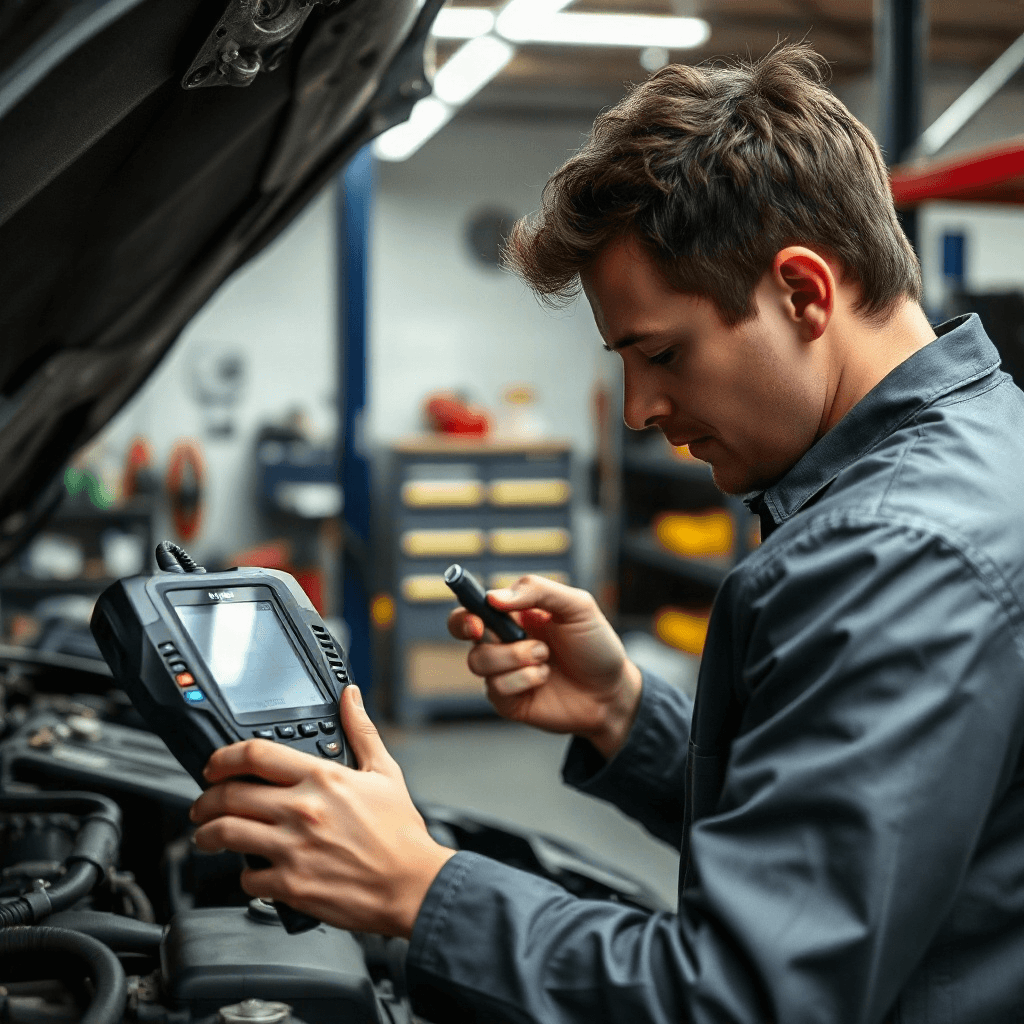
The P0108 code is a diagnostic trouble code (DTC) that indicates an issue with the Manifold Absolute Pressure (MAP) sensor circuit, specifically a high input signal. This sensor is crucial for the optimal performance of an internal combustion engine as it provides data to the engine control unit (ECU) regarding the pressure within the intake manifold. This information is essential for determining the correct air-fuel mixture for efficient combustion. A malfunctioning MAP sensor can lead to various engine performance issues, making it imperative to understand the causes and potential solutions for this code. In this article, we will delve into the intricacies of the P0108 code, exploring its implications, common symptoms, and possible solutions.
Understanding the MAP Sensor and Its Function
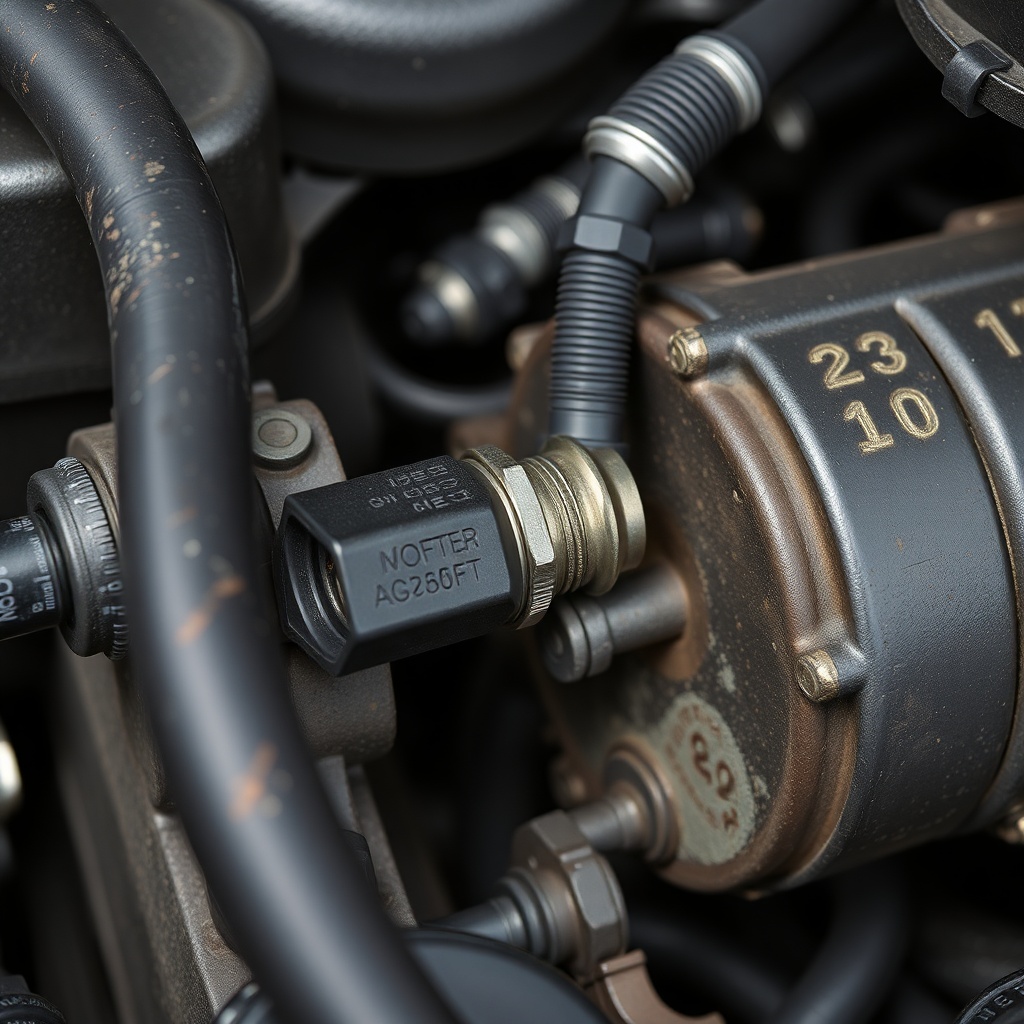
The MAP sensor plays a pivotal role in the efficient functioning of an engine by measuring the air pressure within the intake manifold. This data is used by the ECU to calculate the air density, which in turn determines the optimal amount of fuel to inject into the combustion chamber. By ensuring the correct air-fuel mixture, the MAP sensor helps maintain engine efficiency, performance, and emissions. When the MAP sensor sends a high input signal, it suggests that the pressure readings are higher than expected, which can disrupt this delicate balance. Understanding the function of the MAP sensor is crucial in diagnosing and resolving issues related to the P0108 code.
Common Symptoms of a P0108 Code
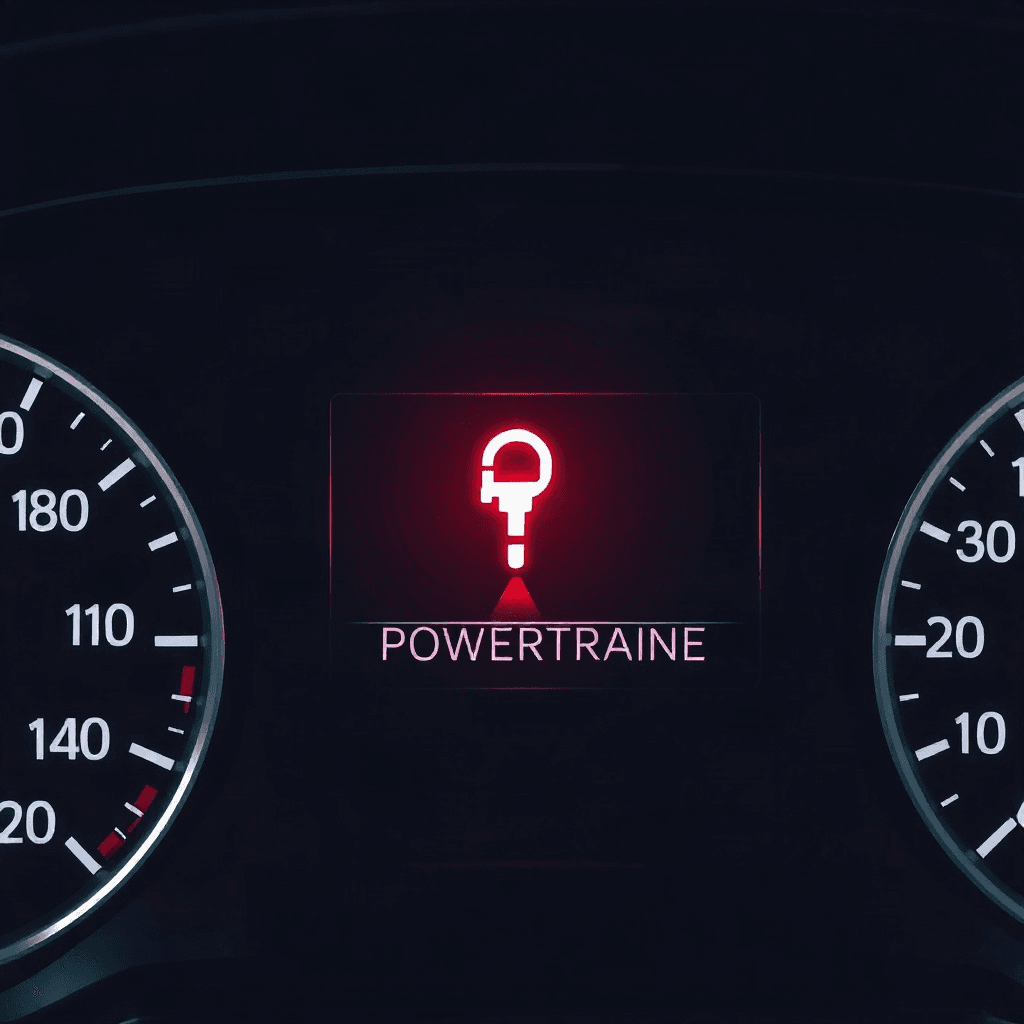
When the MAP sensor circuit sends a high input signal, it can trigger a series of symptoms that affect engine performance. Drivers may experience poor fuel economy due to the incorrect air-fuel mixture being delivered to the engine. Additionally, the vehicle may exhibit rough idling, hesitation during acceleration, or even stalling under load. The check engine light will likely be illuminated, alerting the driver to the presence of a trouble code. In some cases, the engine may enter a limp mode to prevent further damage, significantly reducing power and drivability. Recognizing these symptoms can aid in the timely diagnosis of the issue.
Potential Causes of High Input Signal
Several factors can contribute to a high input signal from the MAP sensor circuit. A common cause is a faulty MAP sensor itself, which may send incorrect voltage signals to the ECU. Wiring issues such as damaged or corroded connectors can also disrupt the signal transmission. Additionally, a vacuum leak in the intake manifold can lead to erroneous pressure readings. In some instances, the problem may stem from issues within the ECU, such as a software glitch or internal malfunction. Identifying the root cause is essential for implementing an effective solution.
Diagnostic Procedures for the P0108 Code
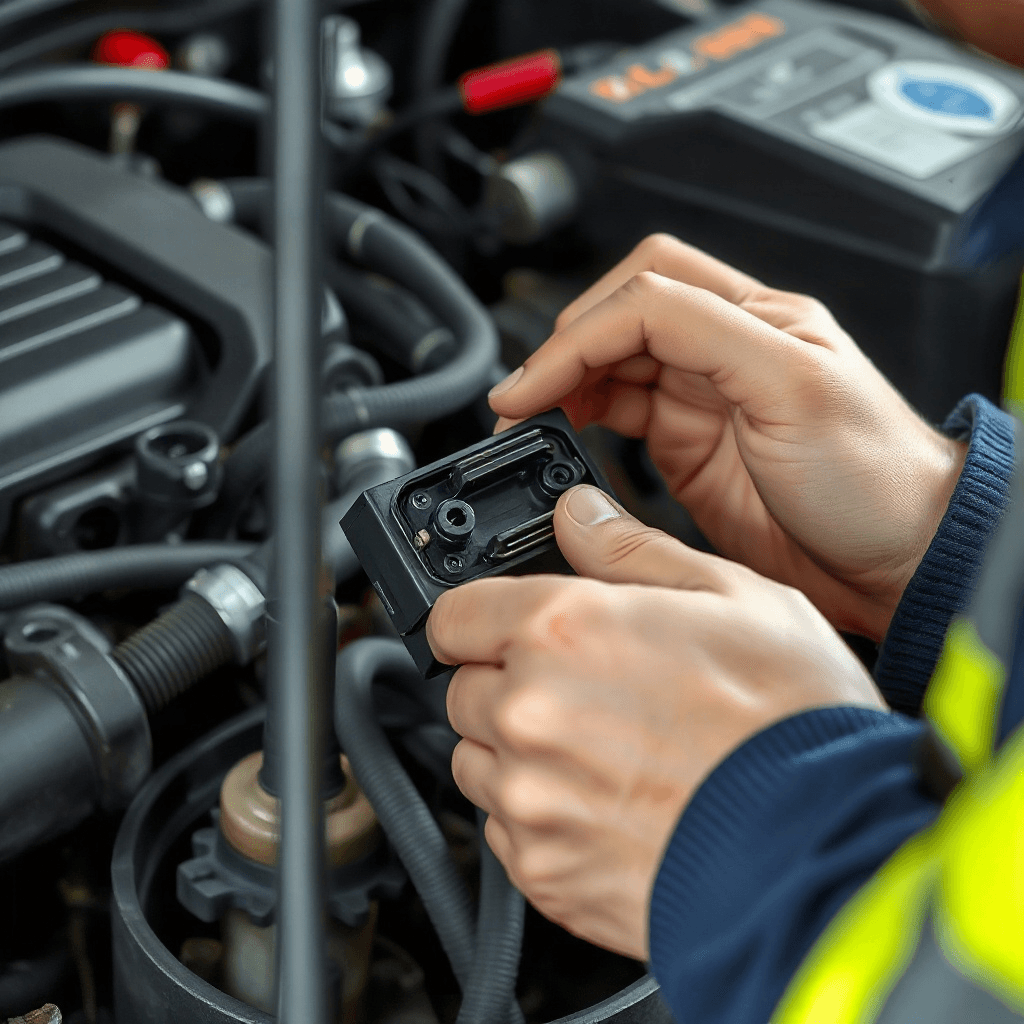
Diagnosing a P0108 code requires a systematic approach to identify the underlying issue. Technicians typically begin with a visual inspection of the MAP sensor and its associated wiring for any obvious signs of damage. Using a multimeter, they may test the sensor’s voltage output to ensure it falls within the manufacturer’s specified range. Vacuum testing can help identify any leaks in the intake manifold that may affect pressure readings. Advanced diagnostic tools can also be used to evaluate the ECU’s performance and ensure it is processing the sensor data correctly. Accurate diagnosis is key to resolving the issue effectively.
Solutions and Repairs for Addressing the Code
Once the underlying cause of the P0108 code is identified, appropriate repairs can be undertaken. Replacing a faulty MAP sensor is a common solution and is usually straightforward. Repairing or replacing damaged wiring and connectors can also rectify signal transmission issues. In the case of vacuum leaks, sealing the leak or replacing faulty components may be necessary. If the ECU is determined to be at fault, a software update or replacement may be required. Following these repairs, clearing the trouble code and conducting a test drive will confirm the resolution of the issue.
Long-term Implications and Preventive Measures
Addressing a P0108 code promptly is essential to prevent long-term damage to the engine. Prolonged operation with incorrect air-fuel mixtures can lead to increased emissions, poor fuel economy, and potential damage to the catalytic converter. Regular maintenance, including periodic inspection of sensors and wiring, can help prevent such issues. Ensuring the engine’s vacuum system is intact and free from leaks will also safeguard against future occurrences. By taking these preventive measures, vehicle owners can maintain optimal engine performance and avoid costly repairs down the line.