U0100 vs. U0101: ECM/PCM and TCM Communication Faults Compared
In the world of automotive technology, understanding the intricacies of vehicle communication systems is crucial for both mechanics and car enthusiasts. Among the common diagnostic trouble codes (DTCs), U0100 and U0101 stand out due to their relation to crucial electronic control modules. These codes indicate communication faults, specifically between the Engine Control Module (ECM) or Powertrain Control Module (PCM) and the Transmission Control Module (TCM). Identifying the root causes and potential solutions for these communication issues is essential for maintaining vehicle performance and reliability. This article serves as a comprehensive guide to understanding the differences and similarities between U0100 and U0101 codes, providing insights into their implications and resolutions.
Understanding ECM and PCM Communication
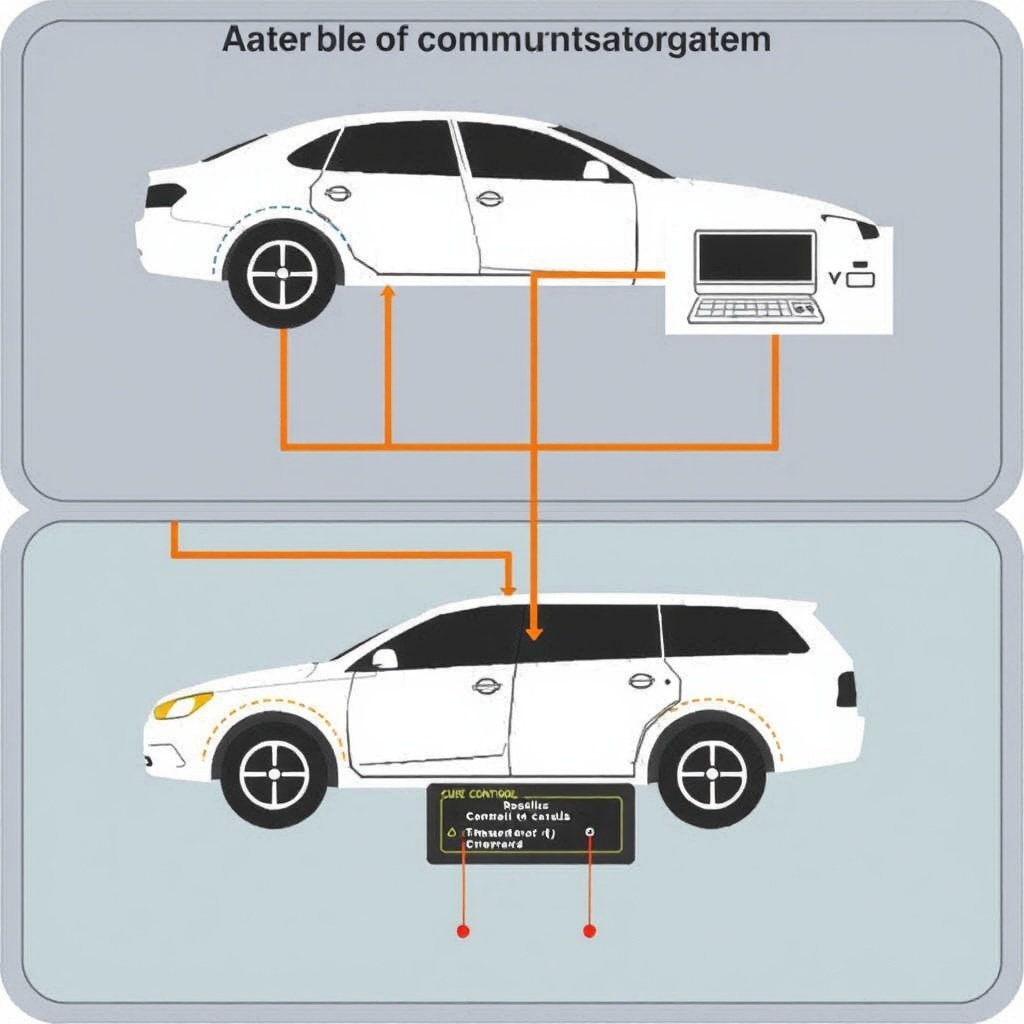
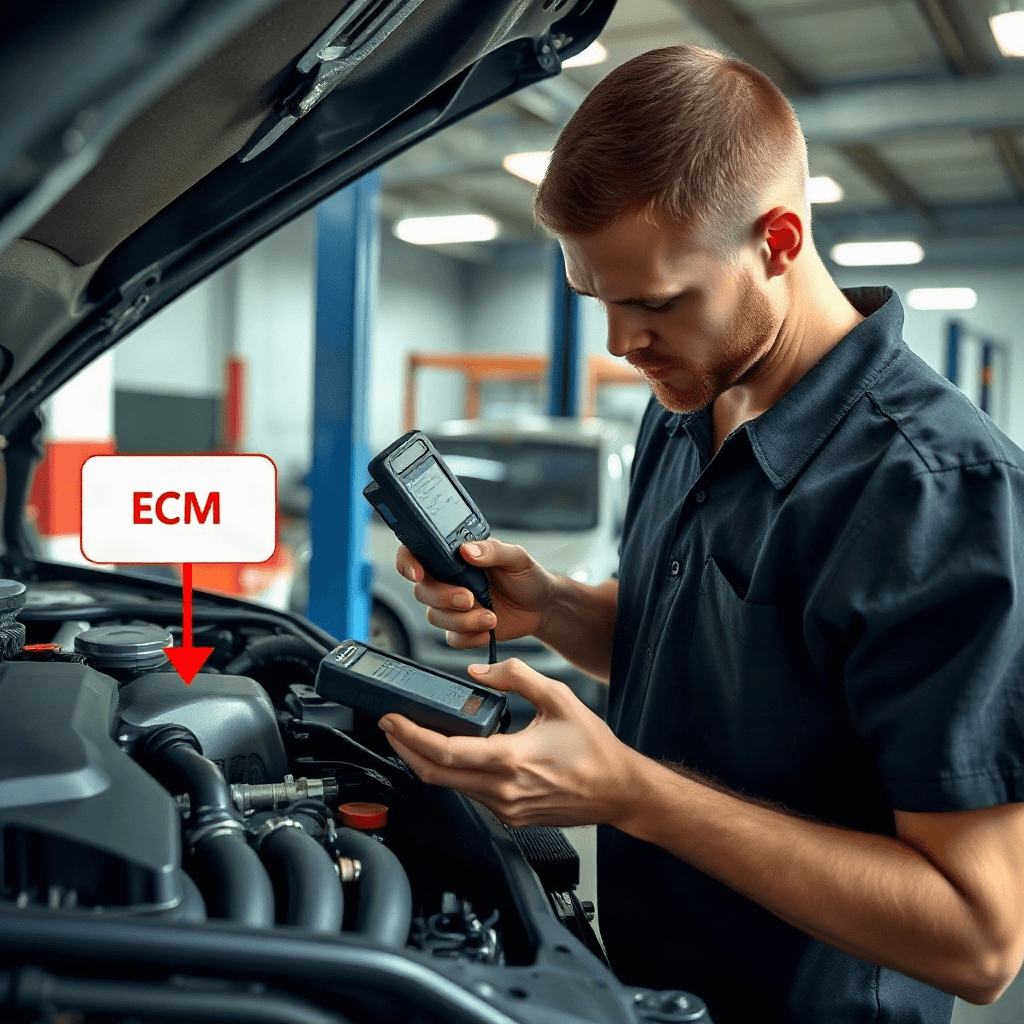
The Engine Control Module (ECM) and Powertrain Control Module (PCM) are integral components of a vehicle’s electronic system. The ECM is responsible for managing various engine functions such as fuel injection, ignition timing, and emission control. Meanwhile, the PCM combines the roles of the ECM and the Transmission Control Module (TCM), overseeing both engine and transmission operations. Communication between these modules is facilitated through a complex network known as the Controller Area Network (CAN). When a U0100 code is triggered, it indicates a loss of communication with the ECM/PCM, potentially leading to various engine performance issues. Effective communication is vital for optimizing fuel efficiency, reducing emissions, and ensuring smooth vehicle operation.
Causes of U0100 Code
The U0100 code can be attributed to several underlying issues. Common causes include faulty wiring or connectors, which may result from physical damage, corrosion, or poor connections within the CAN network. Additionally, a malfunctioning ECM or PCM, due to internal failures or software glitches, can disrupt communication. Technicians often find that power supply issues, such as a weak battery or a defective alternator, can also trigger this code. In some cases, external electromagnetic interference or incorrect module programming may further complicate the diagnosis. Addressing these causes requires a systematic approach, involving thorough inspection and testing of the vehicle’s electronic components.
Exploring the U0101 Code
The U0101 code, on the other hand, specifically relates to communication failures with the Transmission Control Module (TCM). The TCM plays a critical role in managing transmission operations, ensuring smooth gear shifts and optimal power delivery. When a U0101 code appears, it implies a disruption in communication between the TCM and other control modules, particularly the ECM/PCM. This can lead to transmission problems such as rough shifting, delayed engagement, or even limp mode activation. Identifying the source of this communication fault is crucial for restoring proper transmission function and preventing potential damage to the transmission system.
Diagnosing Communication Faults
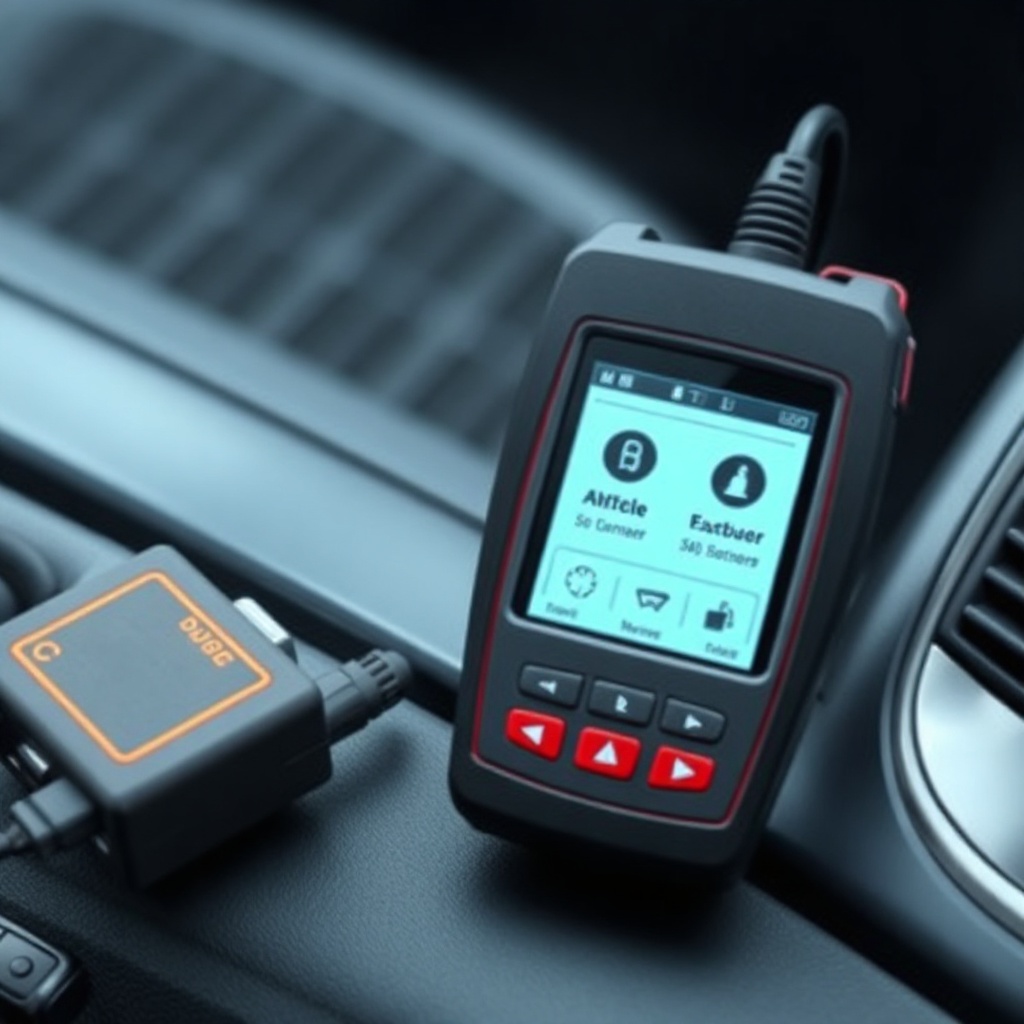
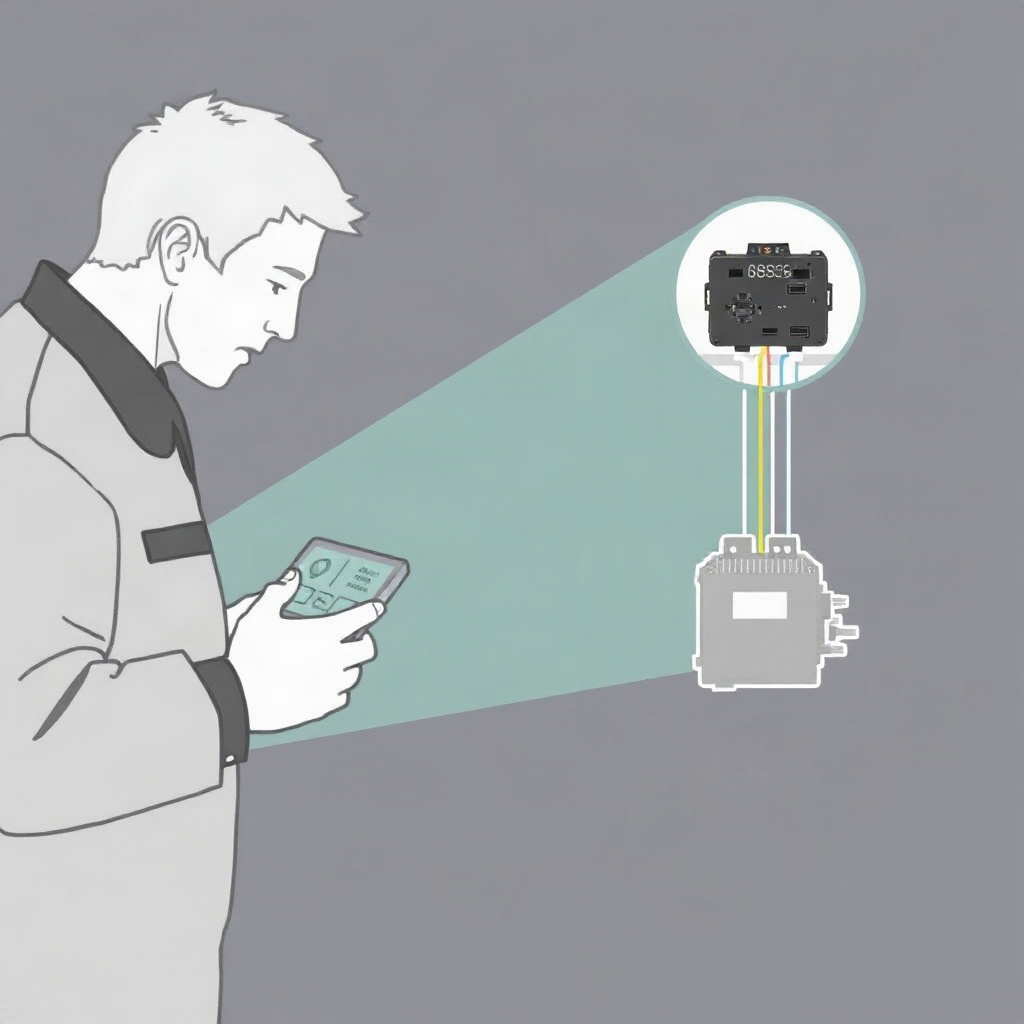
Diagnosing U0100 and U0101 codes requires a systematic and technical approach. Technicians begin by using specialized diagnostic tools to retrieve and analyze DTCs from the vehicle’s onboard computer. Visual inspections of wiring harnesses, connectors, and grounding points are essential to identify physical damage or corrosion. Voltage and resistance tests help verify the integrity of the electrical circuits within the CAN network. In cases where software issues are suspected, reprogramming or updating the control modules might be necessary. Additionally, ensuring that the battery and charging systems are functioning properly is a critical step in the diagnostic process, as voltage irregularities can lead to communication failures.
Repair and Resolution Strategies
Successfully resolving U0100 and U0101 codes involves addressing the identified root causes. Repair strategies may include repairing or replacing damaged wiring, connectors, or control modules. In some instances, cleaning or securing loose connections can restore communication. When software glitches are the culprit, reprogramming the modules using manufacturer-approved software updates can resolve the issue. If power supply problems are detected, replacing the battery or alternator may be necessary to ensure consistent voltage levels. Technicians must also consider external factors, such as electromagnetic interference, and implement shielding or rerouting strategies if needed. By addressing these issues comprehensively, they can prevent future communication faults and enhance vehicle reliability.
Preventive Measures and Best Practices
To prevent future occurrences of U0100 and U0101 codes, adopting preventive measures and best practices is essential. Regular maintenance and inspections of the vehicle’s electronic systems can help identify potential issues before they escalate. Ensuring the use of high-quality parts and components during repairs minimizes the risk of future communication failures. Technicians should also provide vehicle owners with guidance on maintaining proper battery health and avoiding unnecessary modifications that could impact the vehicle’s electronic systems. Furthermore, staying informed about manufacturer recalls and software updates ensures the vehicle remains up-to-date with the latest improvements and fixes. By implementing these strategies, they can enhance overall vehicle performance and reliability.