Engine Dies When Turning the Steering Wheel: Load and Idle-Control Clues
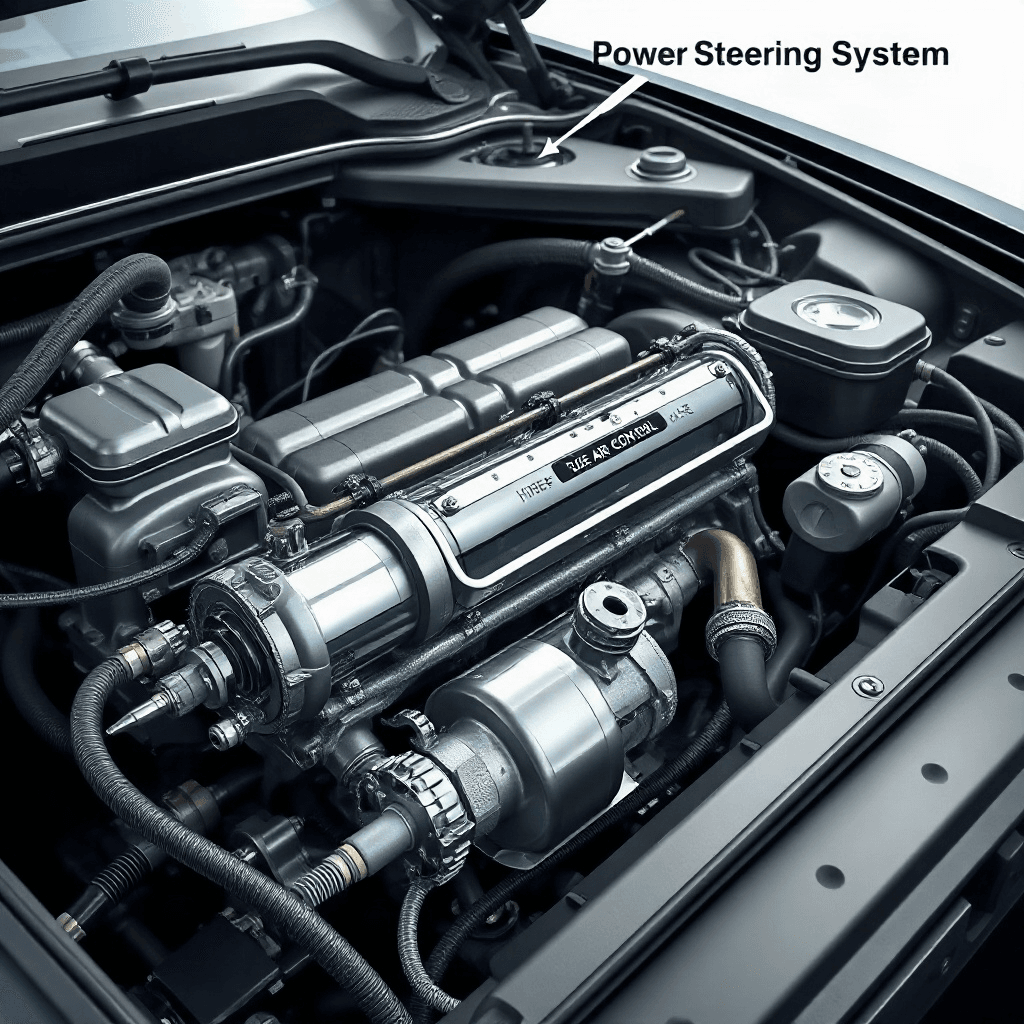
Experiencing a situation where your engine dies when turning the steering wheel can be both puzzling and frustrating. This issue is not just an inconvenience, but it can also be a sign of underlying mechanical problems that require immediate attention. The causes may vary from idle control issues to power steering system faults, and understanding the mechanics behind these problems is crucial to resolving them. This article aims to provide a detailed analysis of the potential reasons why your engine might stall during steering and offers insights into how these can be diagnosed and addressed effectively.
Understanding the Relationship Between Engine Load and Steering
The interaction between the engine and the steering system is a delicate balance of mechanical and hydraulic processes. When the steering wheel is turned, the power steering pump demands additional power from the engine to circulate hydraulic fluid necessary for smooth steering. This increased demand can cause the engine load to rise, especially at low idle speeds, potentially leading to stalling if the engine cannot compensate. Understanding this relationship is crucial, as any disruption in this balance can indicate significant issues such as a failing power steering pump or a malfunctioning idle air control valve. Diagnosing these problems often requires a thorough inspection of the power steering system and engine components to identify and rectify any irregularities.
Idle Air Control Valve and Its Impact on Engine Performance
The idle air control (IAC) valve plays a pivotal role in maintaining engine stability at idle speeds by regulating the amount of air entering the intake manifold. A malfunctioning IAC valve can cause the engine to stall when additional load is applied, such as turning the steering wheel. Common symptoms of a faulty IAC valve include erratic idling, engine stalling, and difficulty starting the vehicle. Cleaning or replacing the IAC valve can often resolve these issues, leading to improved engine performance and reliability. Regular maintenance and timely intervention are key to ensuring the proper functioning of this critical component.
The Role of Power Steering Systems in Engine Stalling
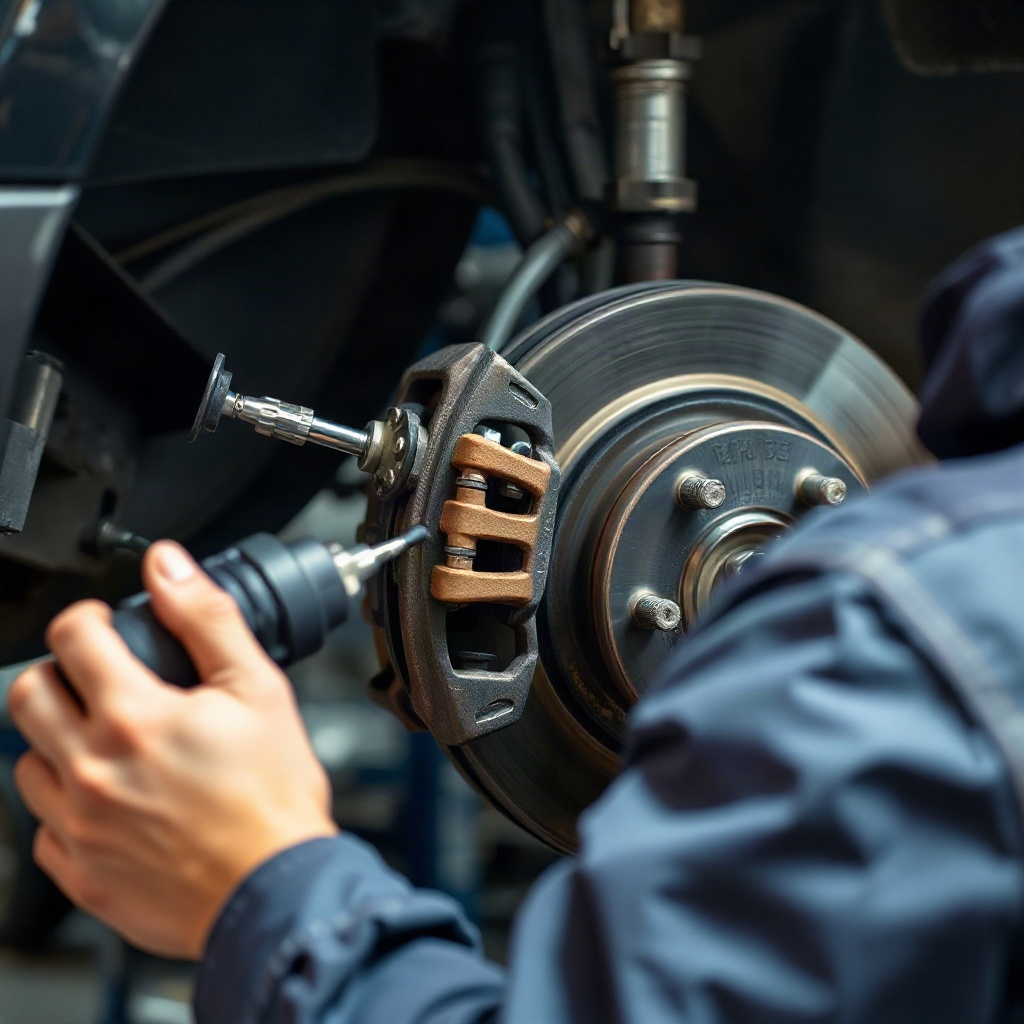
Power steering systems are designed to assist drivers in maneuvering the vehicle with minimal effort. However, when these systems fail, they can place undue stress on the engine, causing it to stall, particularly during steering maneuvers. Common culprits include low power steering fluid, a failing power steering pump, or a defective steering rack. These issues can lead to increased steering effort and engine load, resulting in stalling. Diagnosing power steering problems often involves checking fluid levels, inspecting the pump and hoses for leaks, and testing the overall system pressure to ensure optimal performance.
Diagnostic Approaches for Identifying Engine Stalling Causes
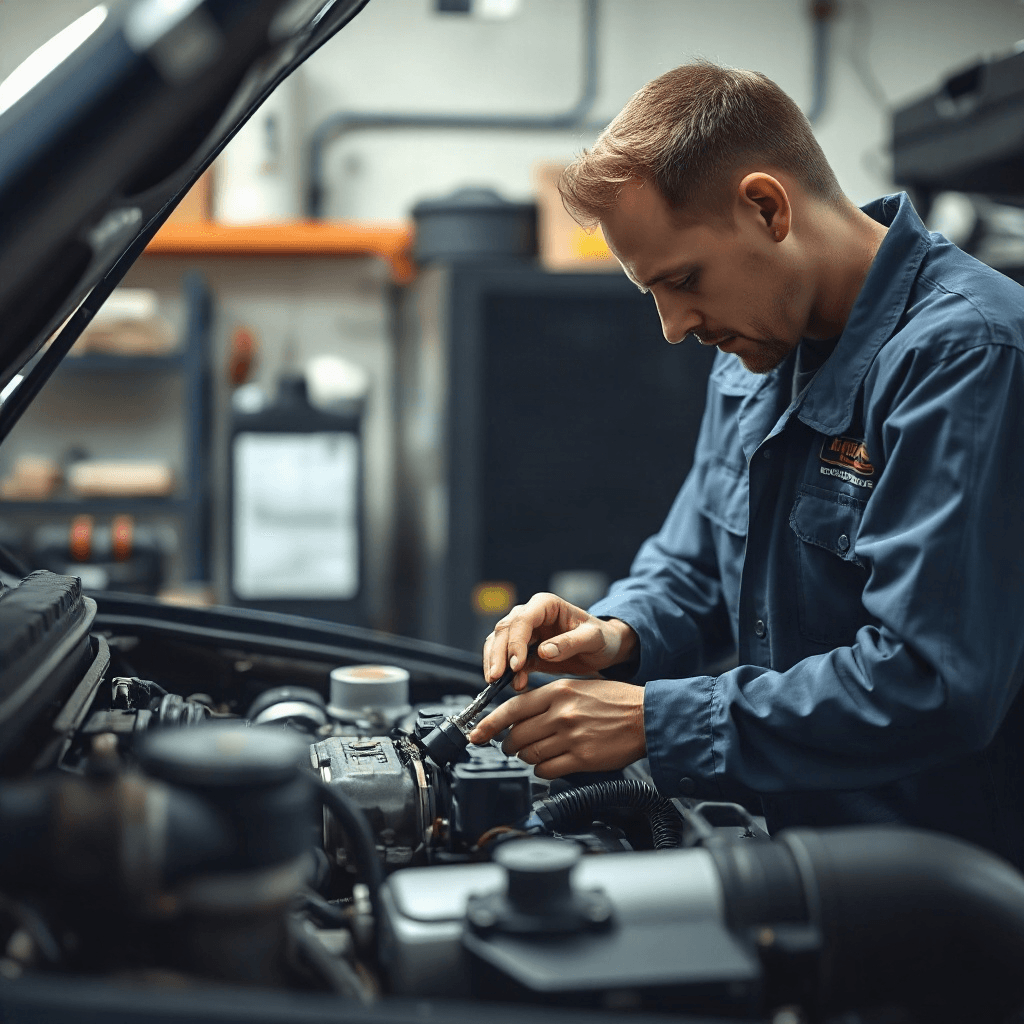
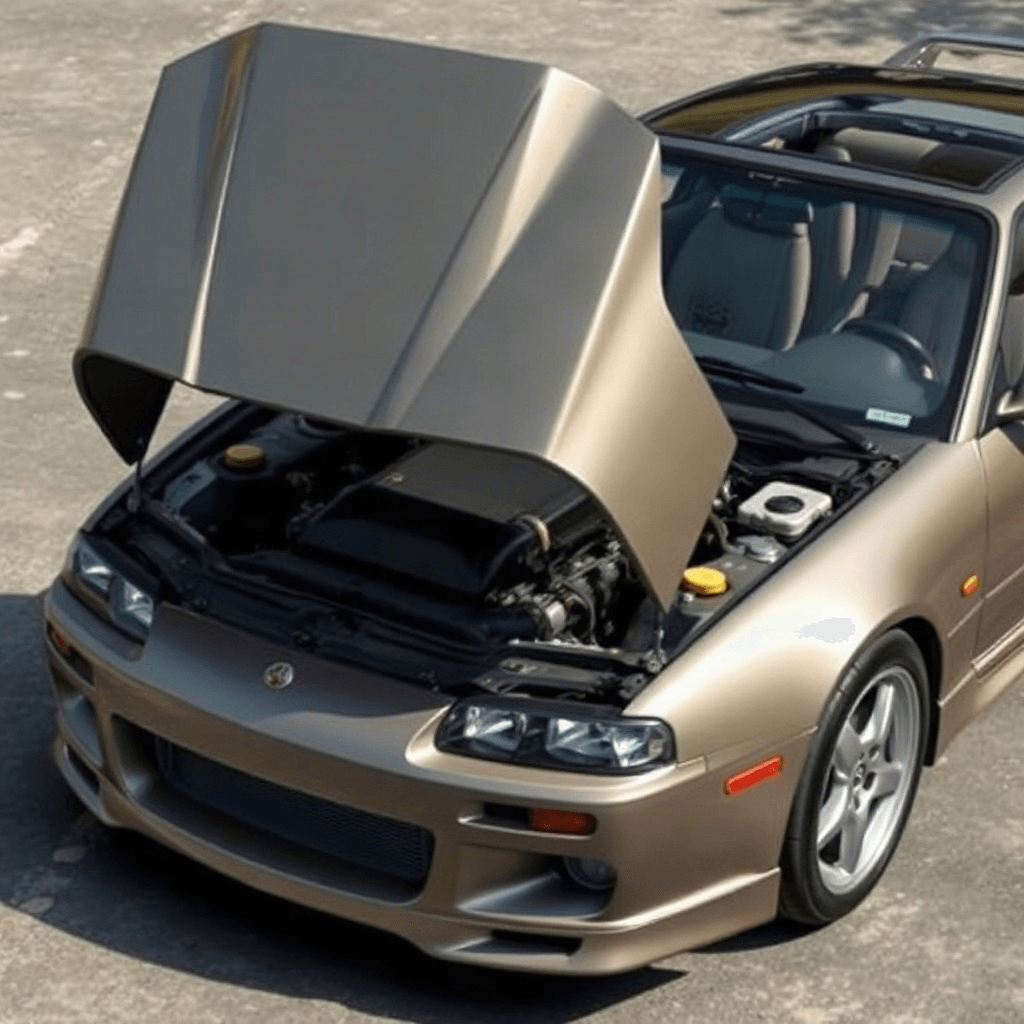
Identifying the root cause of engine stalling when turning the steering wheel requires a systematic diagnostic approach. Initial steps should include checking for any error codes using an OBD-II scanner, as these codes can provide valuable insights into potential issues. Visual inspections of the engine bay for loose connections, damaged components, or fluid leaks can also help pinpoint the problem. In some cases, more in-depth testing of the power steering and idle control systems may be necessary, often requiring professional diagnostic equipment and expertise. [For additional technical insights, refer to our guide on diagnosing engine problems.]
Preventive Measures to Avoid Engine Stalling
Preventing engine stalling involves regular vehicle maintenance and proactive measures to address potential problems before they escalate. Routine checks of the power steering fluid, regular servicing of the idle air control valve, and monitoring the condition of the serpentine belt can significantly reduce the risk of engine stalling. Additionally, staying alert to changes in engine performance and responding promptly to warning signs can help maintain vehicle reliability and safety. By adopting a preventive maintenance approach, drivers can minimize the likelihood of encountering engine stalling issues, ensuring smoother and safer driving experiences.
The Importance of Professional Intervention
While many vehicle issues can be addressed through regular maintenance, situations involving engine stalling when turning the steering wheel often require professional intervention. Certified mechanics possess the tools and expertise necessary to accurately diagnose and repair complex automotive problems. Attempting to fix such issues without professional guidance can lead to further complications and potentially costly repairs. Therefore, seeking professional assistance is highly recommended to ensure that any underlying issues are thoroughly addressed, restoring your vehicle to optimal performance.