Automatic Headlights Not Working: Sensor and BCM Diagnosis

In the realm of modern automotive technology, automatic headlights have become an essential feature, enhancing both safety and convenience for drivers. However, when these systems fail to function correctly, it can lead to significant inconvenience and potential hazards on the road. Understanding the reasons behind such malfunctions is crucial for effective troubleshooting and repair. This article delves into the intricacies of automatic headlight systems, focusing on the role of sensors and the Body Control Module (BCM) in ensuring their proper operation. By examining these components, drivers and technicians alike can better diagnose and address issues, ensuring vehicles remain safe and functional.
Understanding Automatic Headlight Systems
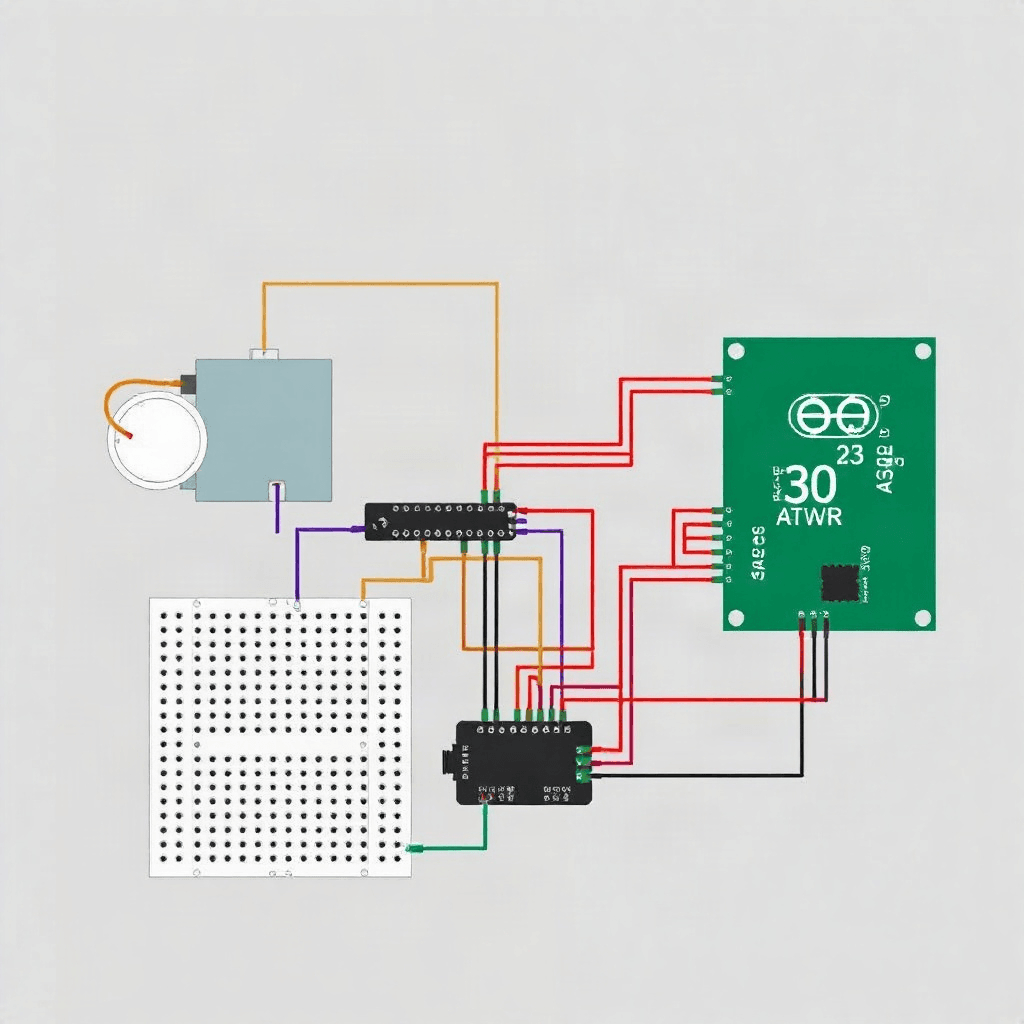
Automatic headlight systems are designed to provide optimal visibility by automatically turning on the vehicle’s headlights in low-light conditions or during nighttime. These systems rely on a combination of sensors and the BCM to function seamlessly. Typically, a light sensor, often mounted on the dashboard or rearview mirror, detects changes in ambient light levels. When the light level drops below a predetermined threshold, the sensor signals the BCM to activate the headlights. This automation enhances driving safety by ensuring that headlights are always on when needed, without requiring manual intervention from the driver.
The Role of Sensors in Automatic Headlights
Sensors play a pivotal role in the operation of automatic headlight systems. Primarily, the ambient light sensor is responsible for detecting light levels surrounding the vehicle. This sensor continuously monitors environmental lighting and communicates with the BCM to adjust the headlight settings accordingly. A malfunctioning sensor can result in headlights that fail to activate in dark conditions or remain on unnecessarily, causing battery drain. Diagnosing sensor issues involves checking for obstructions, ensuring proper alignment, and verifying electrical connections. Regular maintenance and cleaning of the sensor area can prevent many common issues related to sensor malfunction.
The Importance of the Body Control Module BCM
The BCM serves as the central hub for processing signals from various sensors, including those associated with the automatic headlight system. It interprets the data received from the light sensor and executes the command to switch the headlights on or off. A faulty BCM can disrupt this process, leading to erratic headlight behavior. Diagnosing BCM-related issues requires specialized diagnostic tools to scan for error codes and assess the module’s condition. In some cases, software updates or reprogramming may resolve BCM-related problems. If hardware failure is detected, BCM replacement might be necessary to restore proper function.
Common Issues and Troubleshooting Tips
Several common issues can affect the performance of automatic headlight systems. These include sensor misalignment, electrical problems, and BCM malfunctions. When diagnosing these issues, it is crucial to start with the simplest solutions, such as checking fuses and relays associated with the headlight system. Ensuring that the sensor is clean, unobstructed, and correctly positioned can resolve many sensor-related problems. If these initial steps do not resolve the issue, further investigation into the electrical wiring and BCM functionality is warranted. In some cases, consulting the vehicle’s service manual or seeking professional assistance may be necessary to accurately diagnose and repair complex problems.
Preventative Maintenance for Optimal Performance
Regular maintenance is key to ensuring the longevity and reliability of automatic headlight systems. Drivers should periodically clean the sensor area, inspect electrical connections, and test the system’s functionality. Additionally, keeping the vehicle’s software up-to-date can prevent potential BCM issues related to outdated programming. Regularly checking for and addressing any warning lights or error codes can help identify problems before they escalate. By taking these preventative measures, vehicle owners can avoid unexpected headlight failures and maintain optimal performance.
When to Seek Professional Help
While many automatic headlight issues can be resolved through basic troubleshooting and maintenance, there are situations where professional intervention is necessary. Complex electrical problems, persistent BCM errors, or headlight system failures that do not respond to standard fixes should be addressed by a certified technician. Professionals have the tools and expertise needed to perform in-depth diagnostics, ensuring that any underlying issues are accurately identified and repaired. Seeking professional help not only guarantees a thorough resolution but also prevents potential safety hazards associated with malfunctioning headlight systems.