B1540 Code: Hazard Warning Lamp Circuit Fault
The B1540 code, indicating a fault in the hazard warning lamp circuit, is a technical issue that can perplex even seasoned automotive enthusiasts. This diagnostic trouble code (DTC) relates to the malfunction of the vehicle’s hazard warning system—a critical safety feature designed to alert other drivers of potential hazards. Understanding this code is imperative for maintaining the safety and functionality of your vehicle. This article delves into the intricacies of the B1540 code, examining its causes, implications, and solutions. Through a comprehensive analysis, we aim to provide a clear understanding of this specific automotive issue, ensuring that drivers remain informed and equipped to handle such technical challenges.
Understanding the B1540 Code
The B1540 code is an indication of a malfunction within the hazard warning lamp circuit, a crucial component in vehicle safety systems. The hazard lights, often referred to as “emergency flashers,” are designed to flash all turn signal lights simultaneously to warn other drivers of your vehicle’s presence, particularly in precarious situations. When this system fails, the B1540 code is triggered, prompting a need for immediate attention. Technicians rely on onboard diagnostic tools to retrieve this code, allowing them to assess the exact nature of the malfunction. The complexity of modern vehicle electronics necessitates a thorough understanding of such codes, underlining the importance of professional diagnostics in ensuring vehicular safety and reliability.
Causes of the B1540 Code
Various factors can lead to the activation of the B1540 code, each requiring specific attention. One common cause is a fault in the wiring or connectors associated with the hazard lamp circuit. Over time, wires can become frayed or disconnected, disrupting the electrical flow necessary for the system’s operation. Additionally, a malfunctioning flasher relay or a blown fuse can also trigger this code. In some cases, the issue may stem from a defective hazard switch, which fails to activate the lights as intended. Understanding these potential causes is crucial for accurately diagnosing and resolving the issue, preventing further complications and ensuring the continued safety of the vehicle.
Implications of Ignoring the B1540 Code
Ignoring the B1540 code can have significant safety implications, as the hazard warning system plays a vital role in preventing accidents. Without functional hazard lights, other drivers may not be adequately alerted to your vehicle’s presence in hazardous conditions, increasing the risk of collisions. Moreover, unresolved electrical issues can potentially lead to more severe problems within the vehicle’s electronic systems. Timely attention to such codes is not only a matter of compliance with safety regulations but also a proactive measure in preserving the integrity and functionality of your vehicle. Failure to address these issues promptly can result in costly repairs and diminished vehicle reliability.
Diagnosing the B1540 Code
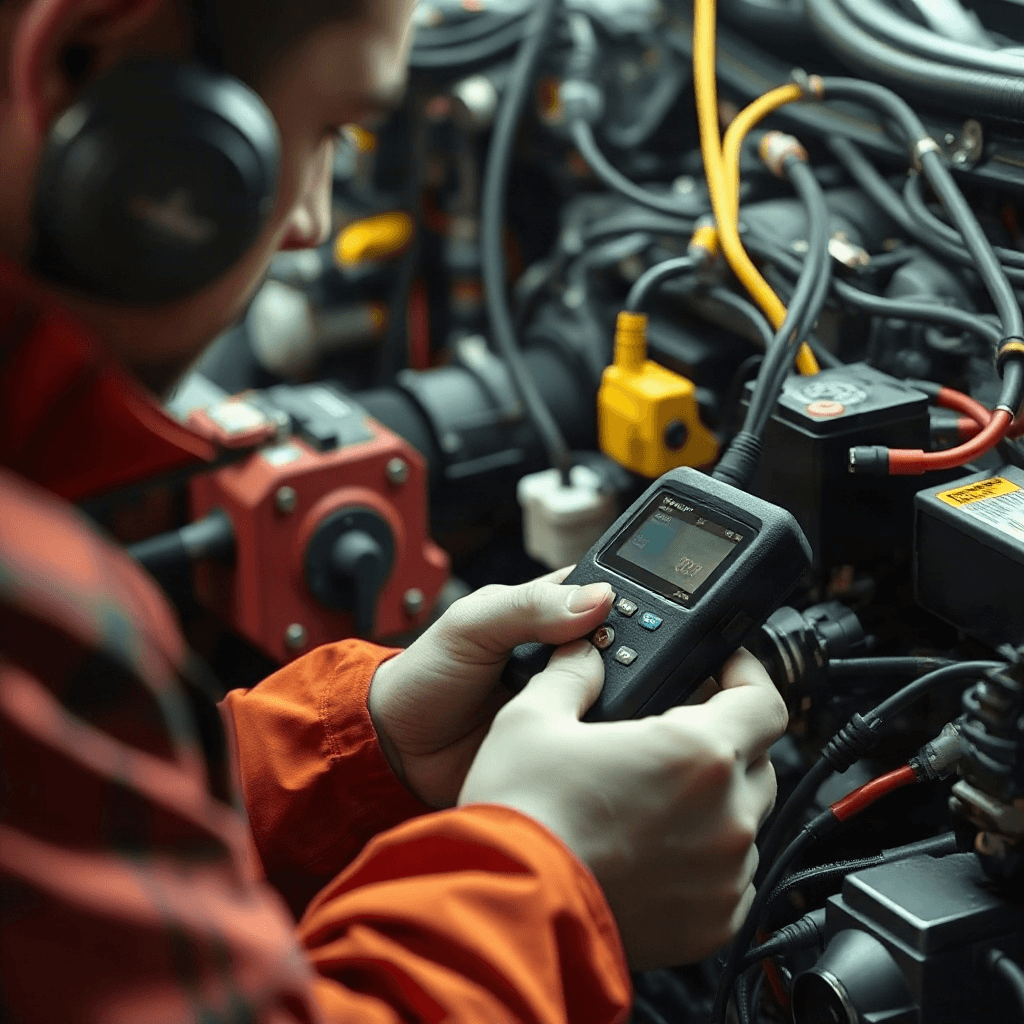
Diagnosing the B1540 code requires a systematic approach, utilizing advanced diagnostic tools to pinpoint the exact cause of the malfunction. Technicians typically begin by scanning the vehicle’s onboard computer for error codes, using specialized equipment to retrieve and analyze data. This process involves checking the condition of wiring and connectors, testing the functionality of the hazard switch, and inspecting the flasher relay and associated components. A comprehensive diagnostic assessment is essential for accurately identifying the source of the problem and implementing effective solutions. Professional expertise and state-of-the-art diagnostic technology are indispensable in navigating the complexities of modern automotive systems.
Solutions for Resolving the B1540 Code
Resolving the B1540 code involves addressing the specific issue identified during the diagnostic process. In cases of wiring or connector damage, technicians may need to repair or replace faulty components to restore electrical continuity within the circuit. If the flasher relay or hazard switch is determined to be defective, replacing these components is necessary to ensure the proper functioning of the hazard warning system. Additionally, technicians may verify the functionality of related electronic systems to prevent future occurrences of the code. Regular maintenance and prompt attention to diagnostic codes are crucial in maintaining the safety and reliability of your vehicle, safeguarding both drivers and passengers.
Preventive Measures and Maintenance
Preventive maintenance is key to avoiding the recurrence of the B1540 code and ensuring the optimal performance of your vehicle’s hazard warning system. Regular inspections of the vehicle’s electrical components can help identify potential issues before they escalate into more severe problems. Ensuring that wires and connectors are secure and free from damage is a fundamental aspect of vehicle maintenance. Moreover, staying informed about your vehicle’s diagnostic codes and understanding their implications can empower drivers to take proactive measures in addressing potential faults. By prioritizing maintenance and promptly responding to warning signals, drivers can enhance the safety and longevity of their vehicles, contributing to a safer driving environment.