Raw Fuel Smell From the Exhaust: Rich-Running Symptoms and Next Steps

The smell of raw fuel emanating from the exhaust is an unmistakable sign that something is amiss with a vehicle’s engine. Often, this odor indicates a rich-running condition, meaning there is an imbalance in the air-fuel mixture where too much fuel is present compared to air. This not only affects the vehicle’s performance but can also lead to increased emissions and potential damage to the engine over time. In this guide, we delve into the symptoms associated with a rich-running engine, their underlying causes, and the steps they should take to address the issue effectively.
Identifying the Symptoms of a Rich-Running Engine
They can often recognize a rich-running engine by a distinctive set of symptoms that manifest during regular vehicle operation. Besides the evident smell of raw fuel from the exhaust, they might notice black smoke or soot coming from the tailpipe, which is a direct consequence of incomplete combustion. Additionally, the engine may exhibit a rough idle or hesitation during acceleration, indicating that the fuel mixture is not being burned efficiently. Another telltale sign is a noticeable decrease in fuel economy, as the excess fuel consumption does not translate into improved performance. If left unchecked, these symptoms can lead to fouled spark plugs and increased wear on the catalytic converter, further compounding the problem.
Understanding the Causes of a Rich-Running Condition
There are several potential causes for a rich-running engine, each requiring a careful diagnostic approach to pinpoint the exact issue. One common culprit is a malfunctioning oxygen sensor, which provides inaccurate readings to the engine control unit, leading to an incorrect air-fuel mixture. Similarly, a faulty mass airflow sensor can misread the amount of air entering the engine, causing the system to inject more fuel than necessary. Fuel injectors that are leaking or not closing properly can also contribute to this condition by allowing excess fuel to enter the combustion chamber. Additionally, a clogged air filter can restrict airflow, resulting in a disproportionately rich mixture.
Diagnostic Tools and Techniques
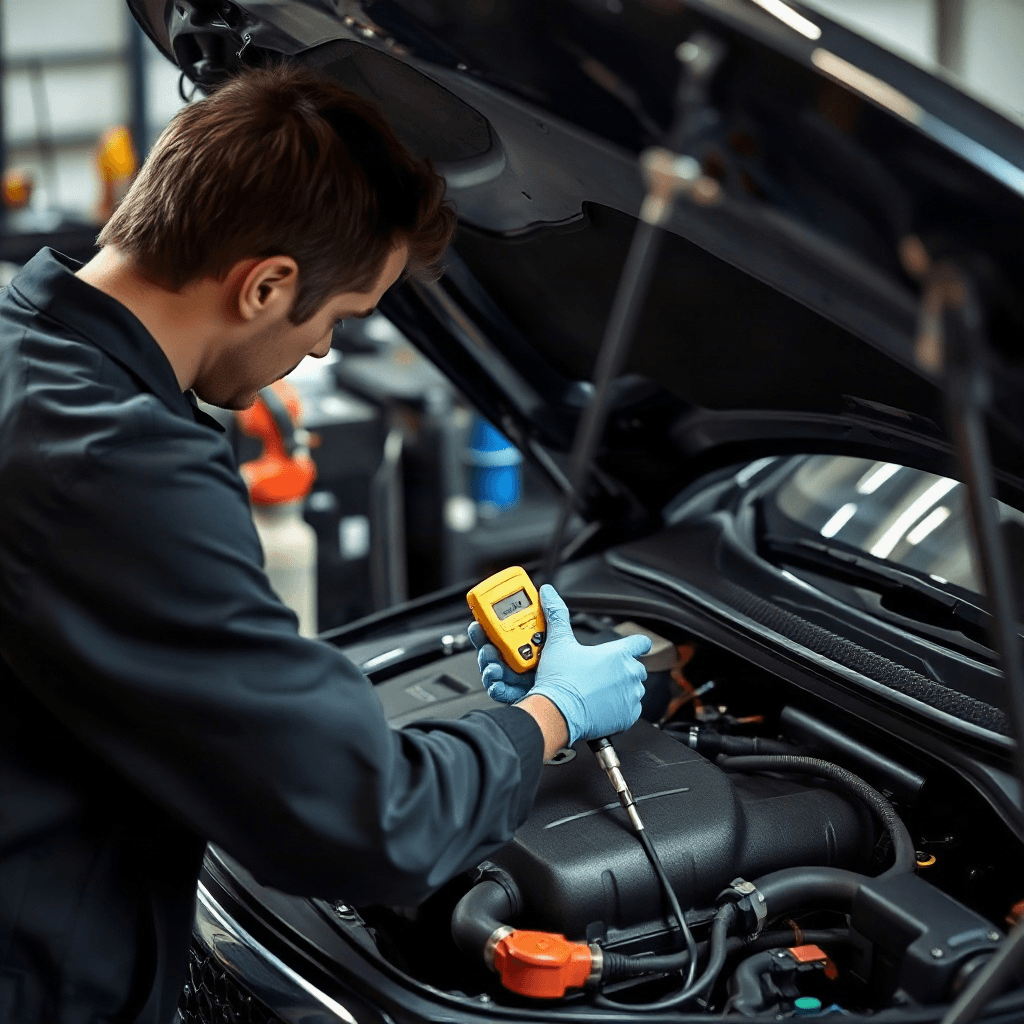
To accurately diagnose a rich-running engine, they should employ a combination of diagnostic tools and techniques. A scan tool can be used to retrieve trouble codes from the vehicle’s onboard computer, providing valuable insights into the potential problems affecting the air-fuel mixture. They should also perform a visual inspection of the air filter, oxygen sensors, and fuel injectors for any signs of wear or damage. Checking the fuel pressure is another critical step, as it can reveal issues with the fuel pressure regulator or the fuel pump. It is essential to approach the diagnostic process methodically to ensure that all potential causes are considered and addressed.
Steps to Correct a Rich Air-Fuel Mixture
Once they have identified the root cause of the rich-running condition, they can take specific steps to correct the issue. Replacing faulty sensors, such as the oxygen sensor or mass airflow sensor, is often the most straightforward solution. Cleaning or replacing the air filter can restore proper airflow, helping to balance the air-fuel mixture. If the problem lies with the fuel injectors, they may need to clean or replace them to ensure they are operating correctly. Additionally, adjusting the fuel pressure regulator can help achieve the optimal fuel pressure, preventing excess fuel from entering the combustion chamber. Addressing these issues promptly is crucial to prevent further damage and restore the vehicle’s performance and efficiency.
Preventative Measures and Maintenance
To avoid the recurrence of a rich-running engine, they should adopt a proactive approach to vehicle maintenance. Regularly inspecting and replacing the air filter, as well as performing routine checks on the oxygen and mass airflow sensors, can help prevent issues with the air-fuel mixture. Keeping the fuel system clean by using high-quality fuel and periodic fuel injector cleaning can also contribute to optimal engine performance. By implementing these preventative measures, they can minimize the risk of experiencing a rich-running condition and ensure their vehicle operates smoothly and efficiently.
When to Seek Professional Assistance
While some causes of a rich-running engine can be addressed with basic mechanical knowledge, there are instances where professional assistance is necessary. If they are unable to diagnose or resolve the issue after performing standard checks and maintenance, it is advisable to consult a qualified mechanic. Professional technicians have access to advanced diagnostic equipment and expertise that can accurately identify and rectify complex issues affecting the air-fuel mixture. Seeking professional help ensures that the problem is resolved correctly and prevents further complications down the line.