B2330 Code: Mirror Position Sensor Fault
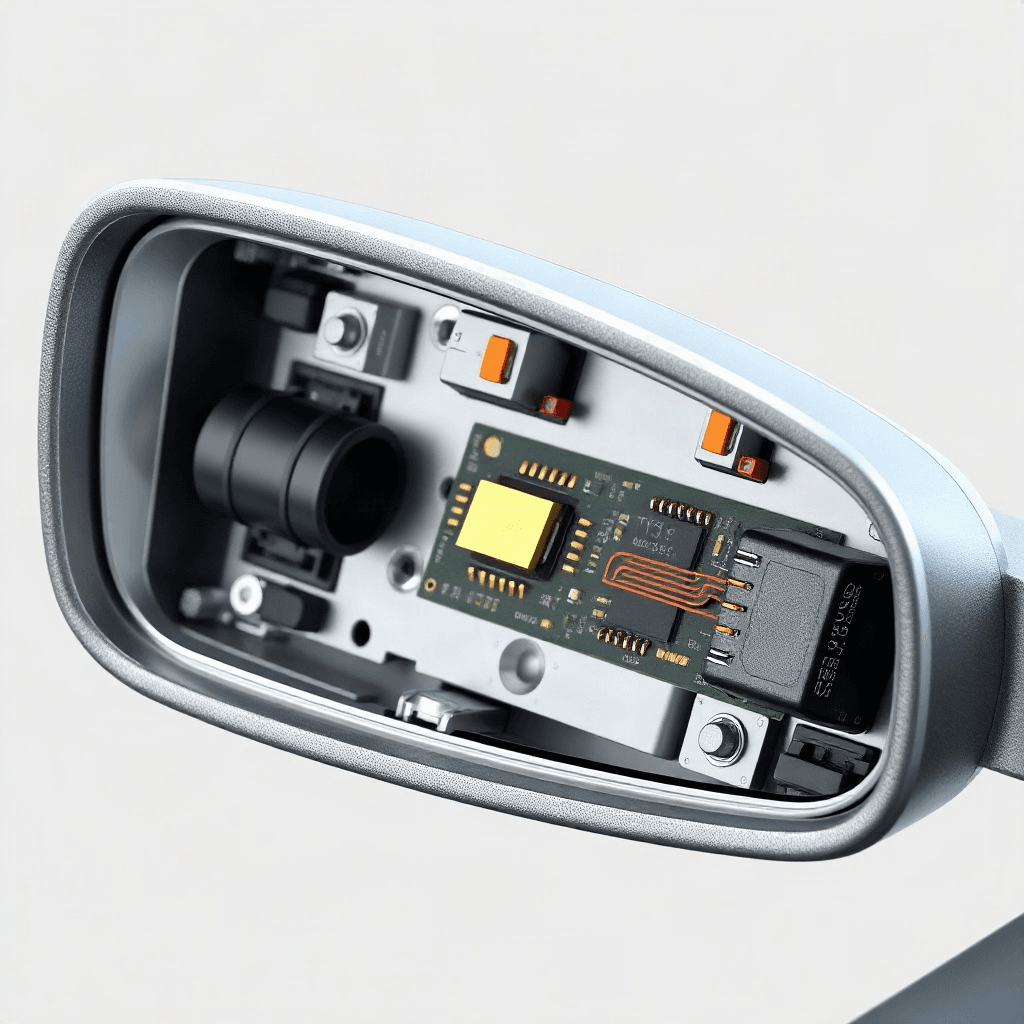
The B2330 code is a diagnostic trouble code (DTC) that indicates a fault in the mirror position sensor of a vehicle. This sensor is a crucial component that allows the car’s computer to determine the exact position of the side mirrors, ensuring they operate correctly. When this code appears, it often results in malfunctioning mirrors that can be both a nuisance and a potential safety hazard. In this comprehensive guide, they will explore the causes, symptoms, and solutions for the B2330 code. By understanding the intricacies of this issue, automotive professionals and enthusiasts alike can approach repairs with confidence and precision.
Understanding the Mirror Position Sensor
The mirror position sensor plays a pivotal role in the functionality of a vehicle’s side mirrors. It provides real-time data to the vehicle’s control modules about the position and angle of each mirror. This information is crucial for automatic adjustments, memory settings, and even for safety features like blind-spot monitoring. When the B2330 code is triggered, it indicates that there is an issue with the signal from the sensor. This could be due to a faulty sensor, a wiring issue, or problems within the control module itself. Understanding how the sensor operates and what can go wrong is the first step in diagnosing the problem.
Identifying Symptoms of the B2330 Code
When a vehicle’s system detects a fault with the mirror position sensor, it may manifest through various symptoms. One of the most common signs is the mirror’s inability to adjust automatically or retain memory settings, causing inconvenience for the driver. Other symptoms might include intermittent mirror adjustments or complete failure of the mirrors to respond to controls. Additionally, a warning light on the dashboard might illuminate, alerting the driver to the malfunctions. Recognizing these symptoms early can help prevent further complications and provide a clear direction for the necessary repairs.
Diagnosing the Mirror Position Sensor Fault
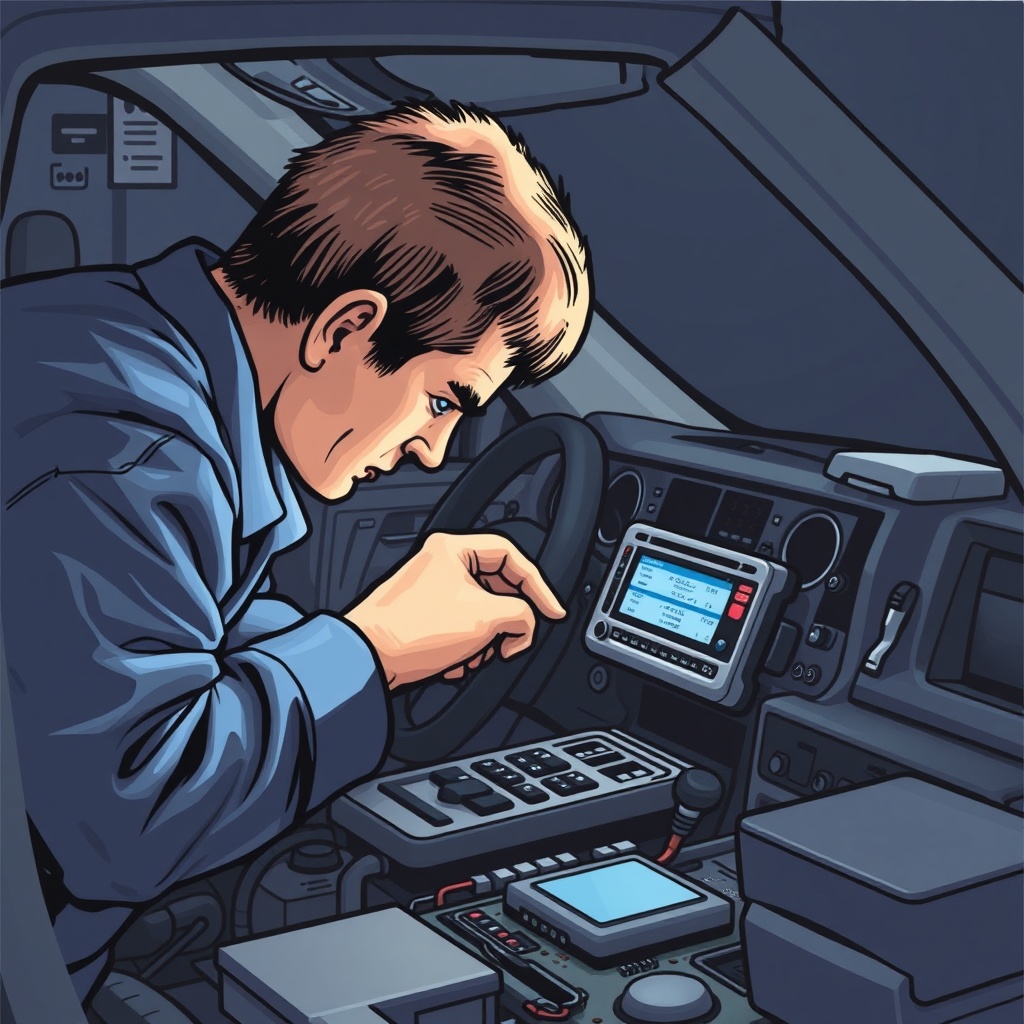
Accurate diagnosis is crucial for resolving the B2330 code effectively. Technicians typically begin by using an OBD-II scanner to confirm the presence of the code and gather additional data. From there, they may inspect the mirror wiring for any signs of damage or disconnection. The sensor itself should be examined for physical damage or wear. If the hardware appears intact, the issue might lie within the vehicle’s control module or software, necessitating further investigation. It’s important to approach this diagnostic process methodically to ensure all potential causes are considered.
Repairing the Mirror Position Sensor Issue
Once the root cause of the B2330 code is identified, the repair process can begin. If the sensor is faulty, replacing it with an OEM part is often the best course of action to ensure compatibility and longevity. Should the problem stem from wiring issues, technicians will need to repair or replace damaged wires to restore proper communication. For issues related to the control module, software updates or reprogramming might be required. Each repair step should be carefully executed to prevent recurring issues and ensure the mirrors function as intended.
Preventing Future Mirror Sensor Faults
Preventive measures can be taken to reduce the likelihood of encountering the B2330 code again. Regular maintenance checks can help ensure that the mirror system components are in good working order. This includes inspecting the wiring for signs of wear and ensuring that the mirrors are not subjected to external forces that could cause misalignment. Additionally, keeping the vehicle’s software up to date can prevent compatibility issues that might trigger sensor faults. By proactively maintaining the mirror system, they can enhance both the functionality and safety of their vehicle.
Integrating Knowledge into Automotive Practices
Understanding and addressing the B2330 code is part of a broader commitment to automotive excellence. By integrating this knowledge into their practice, automotive professionals can enhance their diagnostic and repair skills, offering superior service to their clients. For enthusiasts, this information provides a deeper insight into the vehicle’s systems, enabling them to perform more effective DIY repairs. Whether in a professional setting or at home, a thorough understanding of the mirror position sensor and its related issues empowers them to tackle automotive challenges with confidence.