False ABS Activation After Wheel-Bearing Replacement: Diagnostic Checks

In the intricate symphony of automotive mechanics, the harmony of each component plays a pivotal role in ensuring a smooth performance. However, when one element falters, such as after a wheel-bearing replacement, the repercussions can ripple through the system, leading to unexpected issues like false ABS activation. This phenomenon not only perplexes drivers but also challenges technicians with its deceptive nature. Understanding the underlying causes and diagnostic measures is essential to restoring the vehicle’s quintessential balance. Here, we delve into the complexities of false ABS activation post wheel-bearing replacement, examining the diagnostic checks that guide us toward resolution.
Understanding the Role of Wheel Bearings
Wheel bearings are fundamental to a vehicle’s performance, providing the seamless rotation of wheels with minimal friction. They support the vehicle’s weight and enhance stability, making their condition vital for safe driving. When wheel bearings are replaced, the precise alignment and installation are crucial. An improper fit or a faulty bearing can lead to a cascade of issues, including the false triggering of the Anti-lock Braking System (ABS). This occurs because the ABS relies on sensors that can be affected by misaligned or defective bearings, causing erroneous signals that mimic wheel lockup situations. Recognizing this interplay is the first step in diagnosing false ABS activation.
The Interplay Between ABS and Wheel Bearings
The Anti-lock Braking System is designed to prevent wheel lockup during sudden braking, thereby enhancing vehicle control. It utilizes sensors located near the wheel bearings to monitor wheel speed. When these sensors detect a discrepancy, such as that caused by a compromised bearing, they can mistakenly activate the ABS. This results in pulsating brakes or increased stopping distances, symptoms that can lead to potential hazards if not addressed promptly. Understanding this dynamic interaction between the ABS and wheel bearings is crucial for identifying the root cause of false activations and determining the correct diagnostic approach.
Diagnostic Tools and Techniques
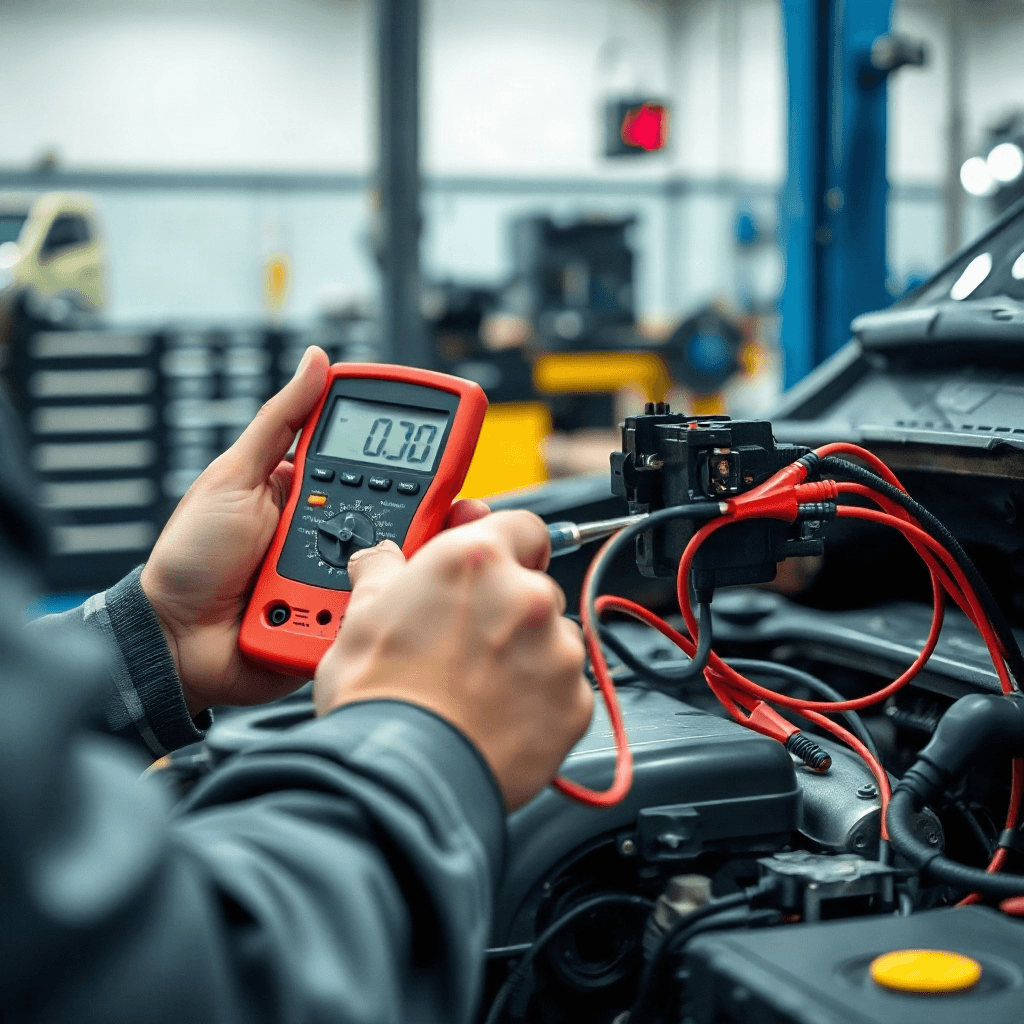
To effectively diagnose false ABS activation, technicians employ a variety of tools and techniques. These include advanced diagnostic scanners that read error codes and provide real-time data on the vehicle’s braking system. A visual inspection of the wheel bearings and ABS sensors is also imperative, checking for any signs of wear, misalignment, or damage. Additionally, technicians often perform road tests to replicate the issue under controlled conditions, allowing for a comprehensive analysis of the braking system’s performance. Such meticulous diagnostic checks are essential for pinpointing the exact cause of the problem, ensuring that any interventions are both precise and effective.
The Importance of Sensor Calibration
Sensor calibration is a critical aspect of resolving false ABS activation. After a wheel-bearing replacement, ensuring that the ABS sensors are correctly calibrated is paramount. Miscalibrated sensors can misinterpret wheel speed data, leading to unnecessary ABS interventions. Technicians must verify sensor placement and alignment, making adjustments as needed to conform to manufacturer specifications. This process often involves resetting the vehicle’s onboard computer to recognize the new sensor parameters, thus preventing erroneous signals and restoring proper ABS functionality. Accurate sensor calibration is a cornerstone of effective diagnostic practices, safeguarding against future issues.
Preventative Measures and Maintenance
While addressing false ABS activation is crucial, implementing preventative measures can help avert such issues in the first place. Regular maintenance of the braking system and wheel bearings is vital, including routine inspections and timely replacements. Adhering to manufacturer guidelines for parts and service can significantly reduce the risk of complications. Training for technicians on the latest diagnostic tools and techniques is equally important, ensuring they are equipped to handle the intricacies of modern automotive systems. By prioritizing preventative care, both drivers and technicians can maintain the integrity of the vehicle’s braking system and avoid the pitfalls of false ABS activation.
Conclusion Restoring Automotive Harmony
The resolution of false ABS activation after wheel-bearing replacement is a testament to the intricate balance required in automotive systems. Through a comprehensive understanding of the relationship between components, meticulous diagnostic checks, and preventative practices, technicians can restore the vehicle’s harmony. As vehicles continue to evolve, so too must our approaches to maintenance and repair, embracing the challenges with precision and expertise. For drivers, the assurance of a reliable and responsive braking system is paramount, underscoring the value of thorough diagnostics and skilled intervention. Together, these efforts ensure that the symphony of automotive mechanics plays on, unimpeded by discord.