How to Distinguish Pending, Stored, and Permanent OBD-II Codes During Diagnosis

The On-Board Diagnostics II (OBD-II) system is a crucial component of modern vehicles, providing real-time data and diagnostic trouble codes (DTCs) that help in identifying and troubleshooting issues. Understanding the different types of OBD-II codes—pending, stored, and permanent—is essential for effective vehicle diagnostics and maintenance. In this article, we delve into these distinct types of codes, how they function, and their significance in automotive diagnostics. This knowledge is indispensable for automotive technicians and enthusiasts aiming to maintain optimal vehicle performance and safety.
Understanding OBD-II Diagnostic Codes
OBD-II diagnostic codes are at the core of modern vehicle diagnostics. These codes are generated by the vehicle’s onboard computer system when it detects a malfunction. The system continuously monitors the engine and other critical components to ensure they operate within specified parameters. When a deviation occurs, the system logs a diagnostic trouble code (DTC) that can be retrieved using a scan tool. These codes are categorized into three primary types: pending, stored, and permanent. Each type serves a specific purpose and provides insights into the vehicle’s condition. Understanding these categories is vital for accurate diagnosis and timely repairs.
The Role of Pending Codes
Pending codes are an initial indication of a potential issue. When the OBD-II system detects a fault for the first time, it generates a pending code. This type of code signifies that a malfunction has been identified, but it has not yet been confirmed as a persistent problem. Pending codes may resolve themselves if the condition does not recur, or they may transition into stored codes if the issue persists. They are crucial for early detection of intermittent problems, allowing technicians to monitor the situation before it escalates. By addressing pending codes promptly, unnecessary wear and tear on vehicle components can be prevented.
Significance of Stored Codes
Stored codes, also known as confirmed codes, indicate a verified problem that requires attention. These codes are logged when the same fault is detected across multiple driving cycles, confirming it as a consistent issue. Stored codes trigger the vehicle’s malfunction indicator light (MIL), alerting the driver to the problem. They remain in the system until the issue is resolved and the code is cleared. Technicians rely on stored codes to diagnose and repair problems accurately. Understanding stored codes is crucial for ensuring vehicle reliability and preventing more significant mechanical failures.
Importance of Permanent Codes
Permanent codes are a relatively new addition to the OBD-II system, designed to ensure emissions-related repairs are properly addressed. Once a stored code is cleared, a permanent code may remain to verify that the fault has been corrected and emissions compliance is maintained. These codes cannot be erased by disconnecting the battery or using a scan tool; they are automatically cleared only when the vehicle’s onboard system confirms the repair’s success over several driving cycles. Permanent codes play a vital role in emissions control and ensure that repairs meet environmental standards.
How to Read and Interpret Codes
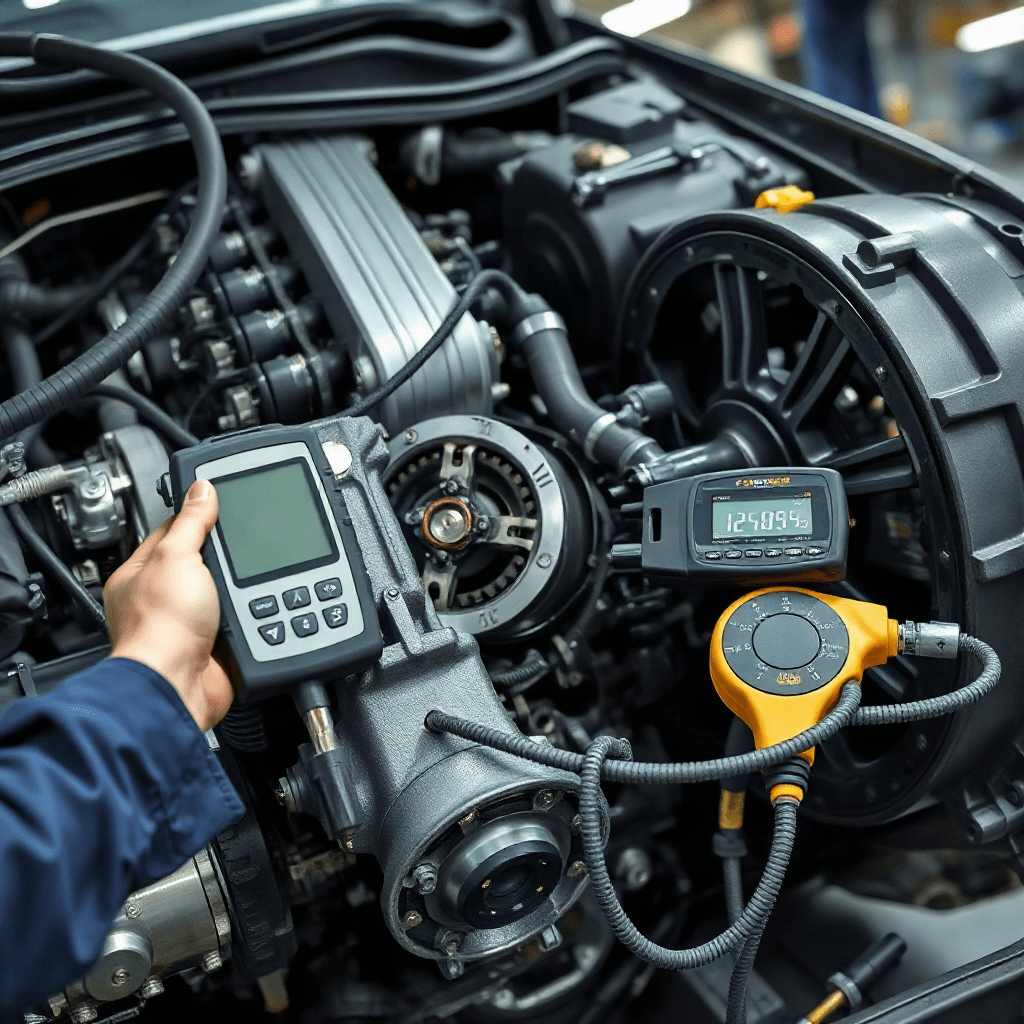
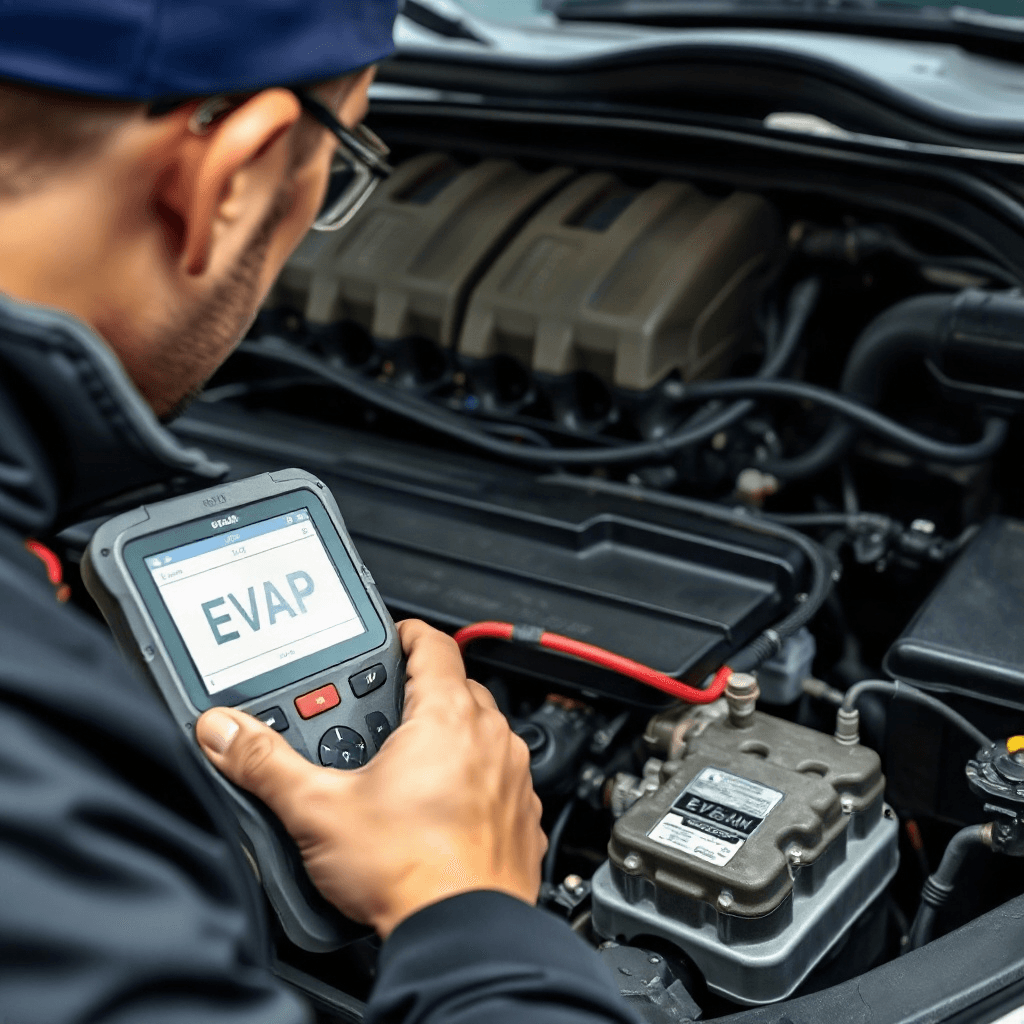
Reading and interpreting OBD-II codes require the use of a compatible scan tool. These tools connect to the vehicle’s diagnostic port and retrieve the stored data, displaying it in a user-friendly format. Each code consists of a letter followed by a series of numbers, which provide specific information about the malfunction. The letter indicates the system affected (e.g., P for powertrain), while the numbers pinpoint the exact nature of the issue. Understanding the coding structure is essential for accurate diagnostics and repairs. Technicians must also consider the vehicle’s make, model, and year, as codes can vary across different manufacturers.
Best Practices for Vehicle Diagnosis
Effective vehicle diagnosis involves more than just reading codes; it requires a comprehensive approach. Technicians should consider the vehicle’s service history, conduct visual inspections, and perform functional tests to corroborate the findings from the OBD-II system. Utilizing manufacturer-specific diagnostic procedures and staying updated with the latest automotive technology advancements can enhance diagnostic accuracy. Additionally, regular maintenance and timely repairs based on OBD-II codes can prevent minor issues from developing into major problems, ensuring the vehicle remains safe and efficient.