Parking Brake Fails to Hold: Cable Adjustment and Caliper Inspection
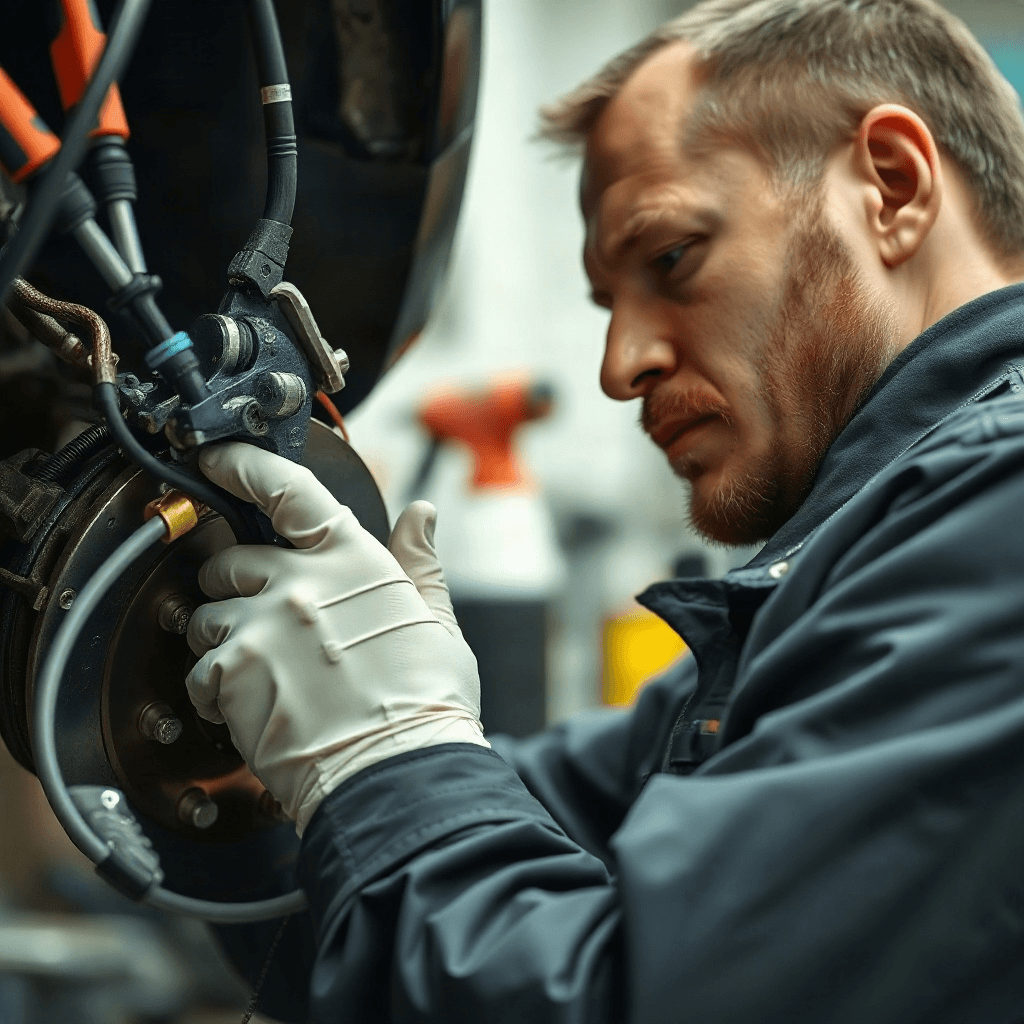
When your parking brake fails to hold, it can be both a perplexing and frustrating situation. At first, you might think it’s a minor inconvenience, but soon it becomes clear that ignoring the issue could lead to bigger problems, especially when parked on slopes. A thorough understanding of the parking brake system, including the brake cable and caliper inspection, is crucial. As we delve into this narrative, we’ll explore the intricacies and the necessary steps to tackle this problem effectively.
Understanding the Parking Brake System
The parking brake, often known as the emergency brake, is an essential component of your vehicle’s safety system. It is designed to secure your vehicle when parked, preventing it from rolling away. However, like any other mechanical system, it is prone to wear and tear. The brake cable, a critical part of this system, can stretch over time, leading to a less effective hold. Imagine pulling the brake lever and feeling no resistance — a clear sign that adjustment is needed. This subtle failure often goes unnoticed until it’s too late, leaving the car vulnerable to unexpected movements.
The Role of Brake Cable Adjustment
Adjusting the brake cable is a task that requires attention to detail. The cable itself connects the handbrake lever to the brake system, and over time, it may lose tension. This slack can be dangerous, especially on a steep incline. When engaging the parking brake, there should be a firm resistance; if not, an adjustment is necessary. The process involves tightening the cable to restore its original tension. While it may sound simple, improper adjustment can lead to either underperformance or even damage to the system. Therefore, understanding the balance is crucial for ensuring safety.
Inspecting the Calipers
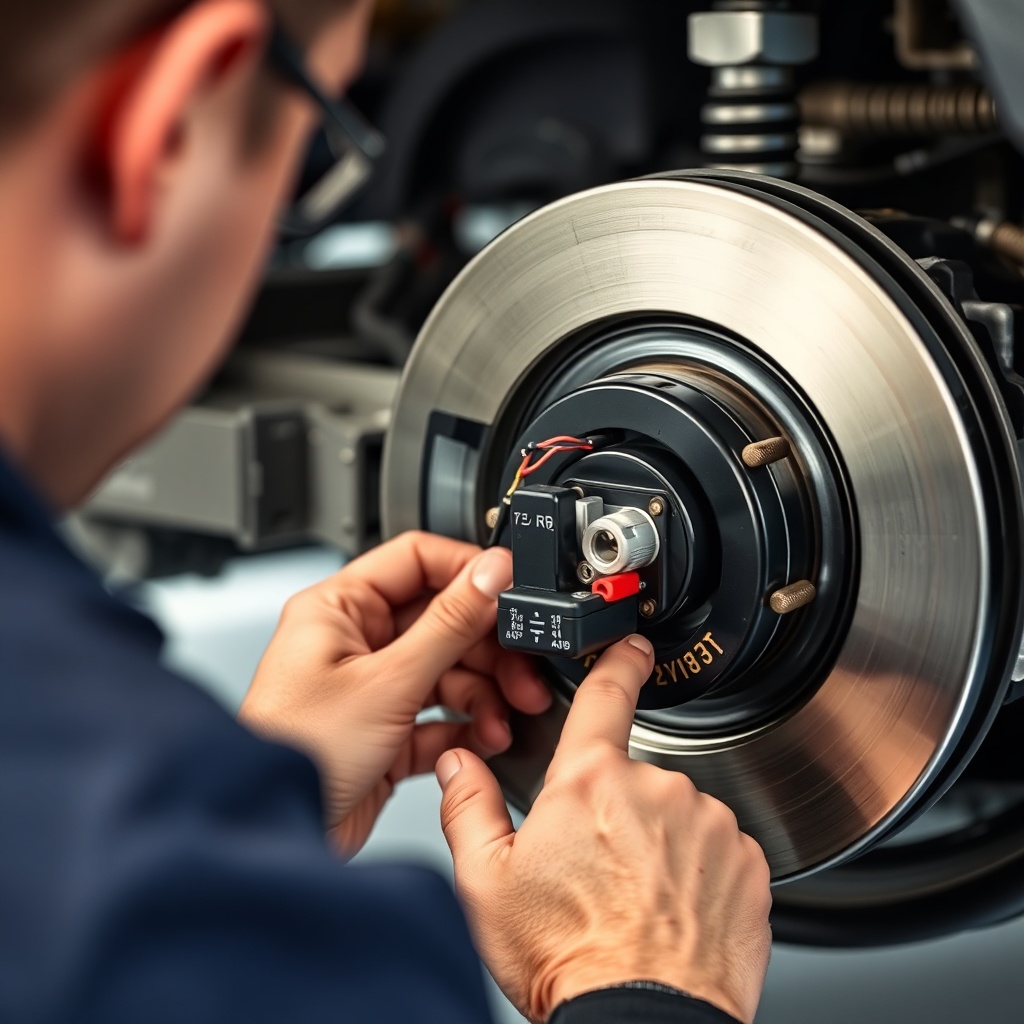
Caliper inspection is another vital step in addressing parking brake issues. The calipers play a pivotal role in squeezing the brake pads against the rotor to create the necessary friction. Over time, calipers can become corroded or seized, reducing their effectiveness. A thorough inspection involves checking for signs of wear, rust, and ensuring that the calipers move freely. A stuck caliper can lead to uneven braking and diminished control, especially when relying on the parking brake. Regular maintenance and inspection can prevent these issues from escalating, ensuring a reliable braking system.
Common Signs of Parking Brake Failure
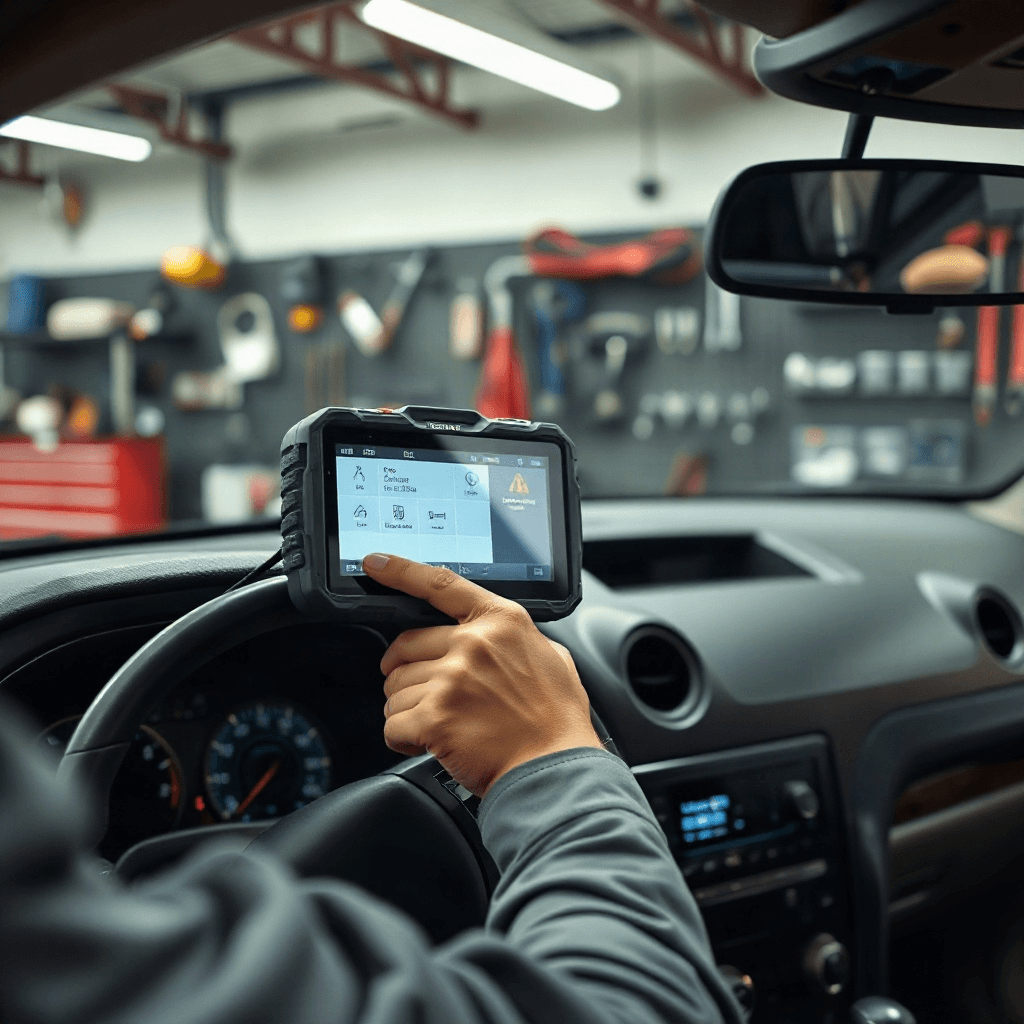
Recognizing the early signs of parking brake failure can prevent potential mishaps. One of the most apparent signs is the brake not holding the car in place, especially on an incline. Additionally, if you notice a spongy feel when pulling the lever or unusual noises, it might be time for an inspection. These symptoms indicate underlying issues with the brake cable or calipers. Addressing these early can save you from costly repairs and ensure the safety of your vehicle and its occupants.
DIY vs Professional Repair
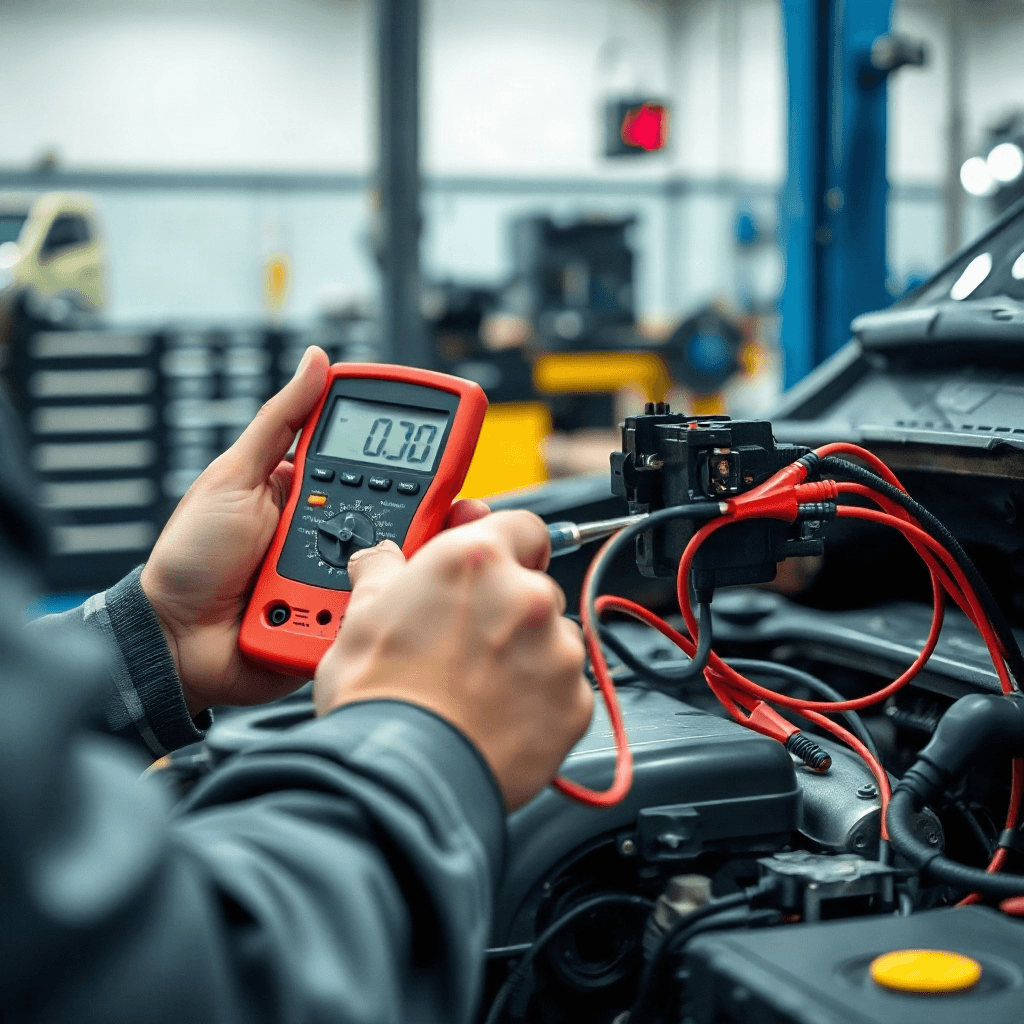
Deciding between a DIY approach or professional repair can be challenging. On one hand, adjusting the brake cable and inspecting the calipers can be managed by those with mechanical aptitude. However, the precision required might be daunting for a novice. On the other hand, seeking professional help ensures that the job is done correctly and safely. Professionals have the experience and tools necessary to diagnose and fix the problem efficiently. Weighing the cost versus the potential risk is essential when choosing your approach.
Preventative Maintenance Tips
Preventative maintenance is the key to avoiding parking brake issues. Regularly checking the tension of the brake cable and the condition of the calipers can extend the life of your parking brake system. It’s also wise to use the parking brake regularly, even when parked on flat surfaces, to keep the system in good working condition. Routine checks can detect early signs of wear, allowing for timely interventions. Remember, a well-maintained parking brake system not only ensures safety but also contributes to the overall health of your vehicle.
[For more insights on vehicle maintenance, check out this detailed guide on [car brake system care].]