How to Repair a Broken Automotive Wire with a Sealed Splice
Repairing a broken automotive wire can seem daunting at first, but with the right tools and techniques, it becomes a manageable task. The method I will focus on involves using a sealed splice, which ensures a durable and waterproof connection. As a professional in automotive repair, I understand the importance of maintaining the integrity of a vehicle’s electrical system. Whether you’re a seasoned mechanic or a DIY enthusiast, understanding how to repair automotive wiring is essential for vehicle maintenance and safety.
Understanding the Problem with Automotive Wiring
Automotive wiring can suffer from various issues such as corrosion, physical damage, or wear and tear over time. These issues can lead to electrical failures, which may impact the performance of the vehicle or even cause safety concerns. Identifying the problem is the first step in any repair process, and this requires a meticulous inspection of the wiring system. Look for signs of damage like frayed wires, exposed copper, or any discoloration, which is often indicative of corrosion. Once the issue is diagnosed correctly, you can proceed with the appropriate repair method, ensuring the longevity and reliability of the vehicle’s electrical system.
Tools and Materials Required for Repair
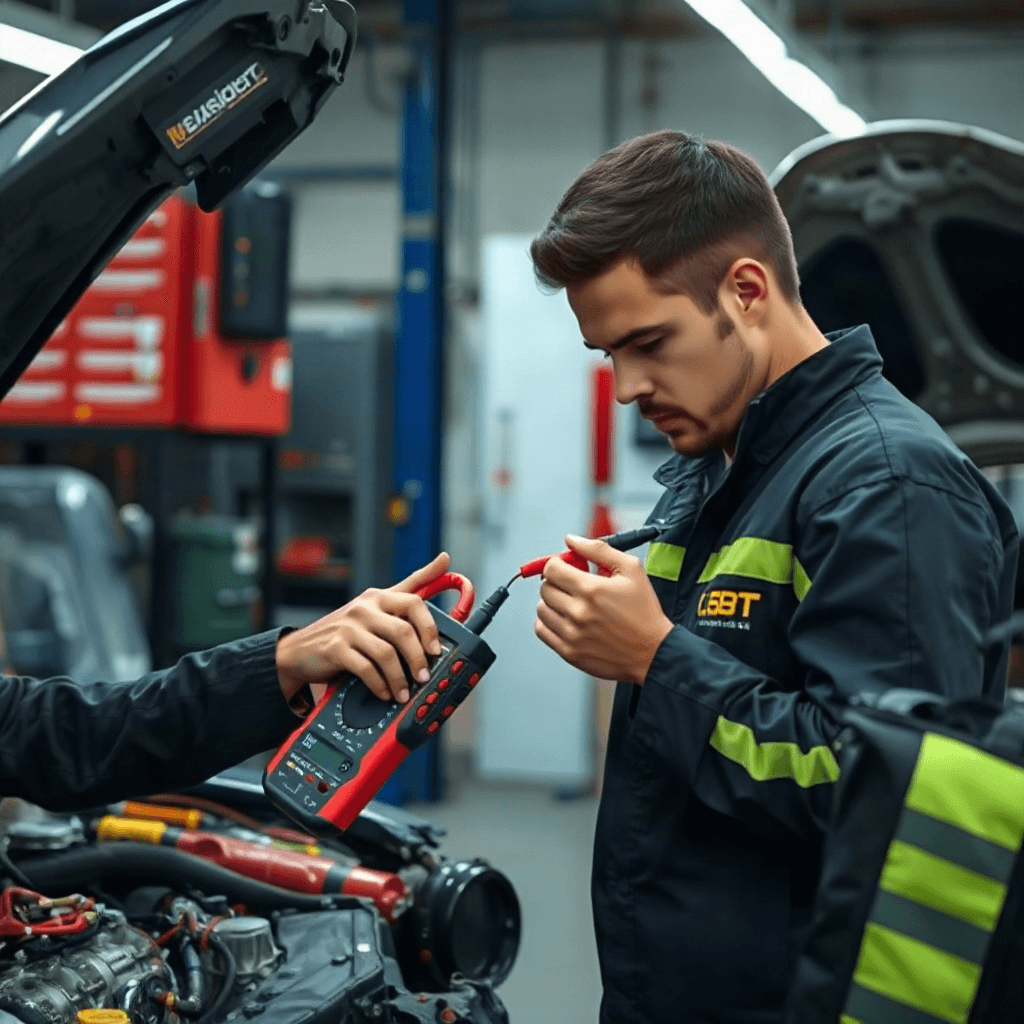
Before embarking on the repair, it is crucial to gather the necessary tools and materials. Essential tools include wire strippers, crimping tools, a heat gun, and, most importantly, the sealed splice connectors. These connectors are designed to withstand harsh automotive environments. Additionally, having a multimeter on hand can be beneficial for testing the electrical continuity before and after the repair. Preparing your workspace with proper lighting and safety gear, such as gloves and goggles, is also recommended to avoid any injuries or accidents during the repair process.
Step-by-Step Guide to Using a Sealed Splice
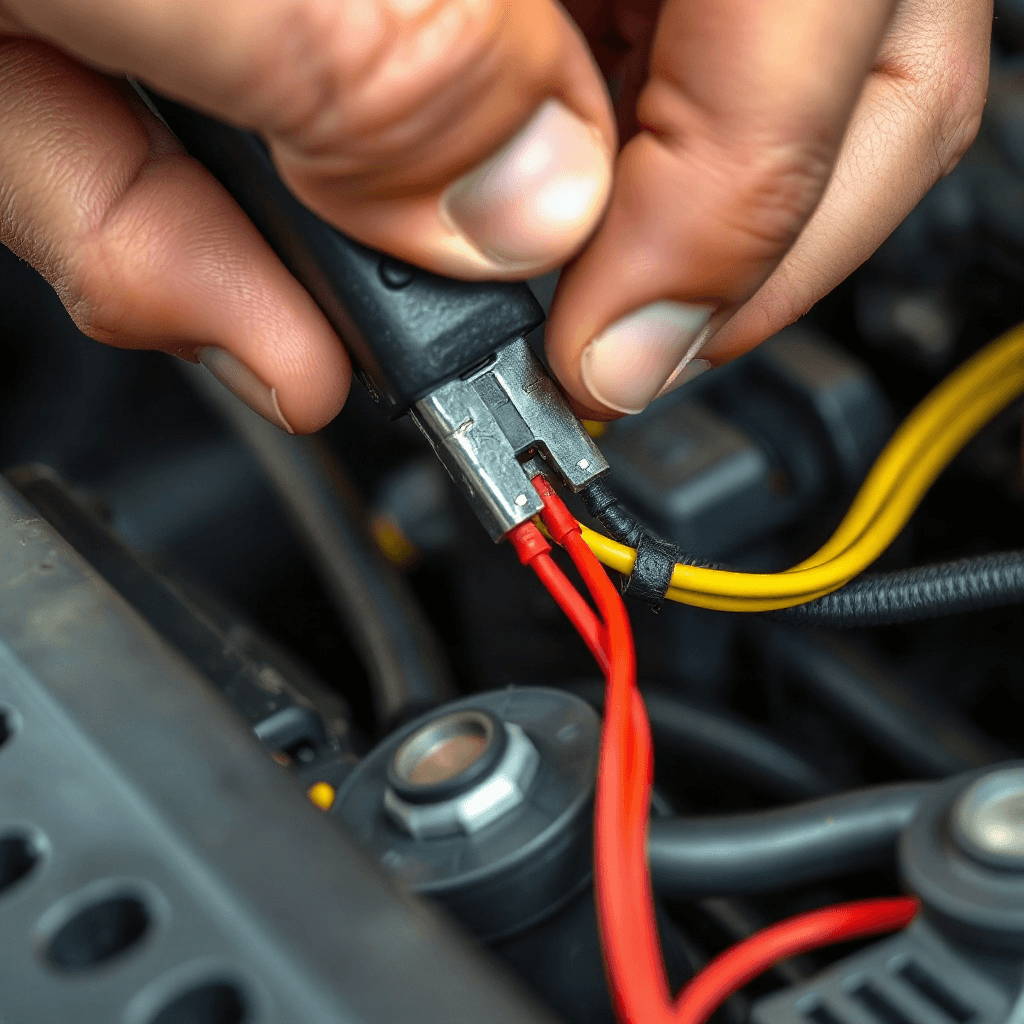
The repair process begins by safely disconnecting the battery to prevent any electrical hazards. Next, use the wire strippers to remove the insulation from both ends of the broken wire, exposing about half an inch of copper. Slide the sealed splice connector onto one end of the wire, then join the wires by twisting the exposed copper ends together. Using the crimping tool, secure the splice connector around the twisted wires. Once crimped, apply the heat gun carefully to shrink the connector’s tubing, ensuring a watertight seal. This process not only repairs the wire but also provides robust protection against future environmental factors.
Testing and Evaluating the Repair
Once the sealed splice is in place, testing the repair is imperative. Reconnect the battery and use a multimeter to check for electrical continuity across the repaired wire. This ensures that the current can pass through without any interruptions. Furthermore, inspect the splice for any signs of improper sealing or damage. It is important to verify that the repair is successful and that the electrical system is functioning as expected. This step provides peace of mind knowing that the wiring is not only fixed but also protected against potential failures.
Preventative Measures for Future Wiring Issues
While repairing a broken wire is a valuable skill, preventing such issues from occurring is equally important. Regular maintenance and inspection of your vehicle’s wiring can help identify potential problems before they escalate. Keeping the wiring clean and free from moisture, corrosion, and physical damage is crucial. Using protective covers and conduits can add an extra layer of defense. Additionally, being mindful of the routing of wires during any modifications or repairs can prevent unnecessary stress on the wiring system, enhancing its durability and reliability.
Advantages of Using a Sealed Splice
The sealed splice method offers numerous benefits over traditional wire repair techniques. It provides a secure and waterproof connection that is resistant to environmental factors such as moisture, dirt, and vibration, which are common in automotive environments. This method also ensures a low-resistance electrical connection, crucial for the optimal performance of the vehicle’s electrical system. Utilizing sealed splices can extend the lifespan of the repair, reducing the need for frequent maintenance and offering peace of mind to vehicle owners. As an advocate for best practices in automotive repair, I highly recommend incorporating sealed splices in any wiring repair to ensure a safe and reliable outcome.
[kelime] provides further insights into automotive maintenance strategies and tips.