How to Test an EVAP Purge Valve with a Hand Vacuum Pump
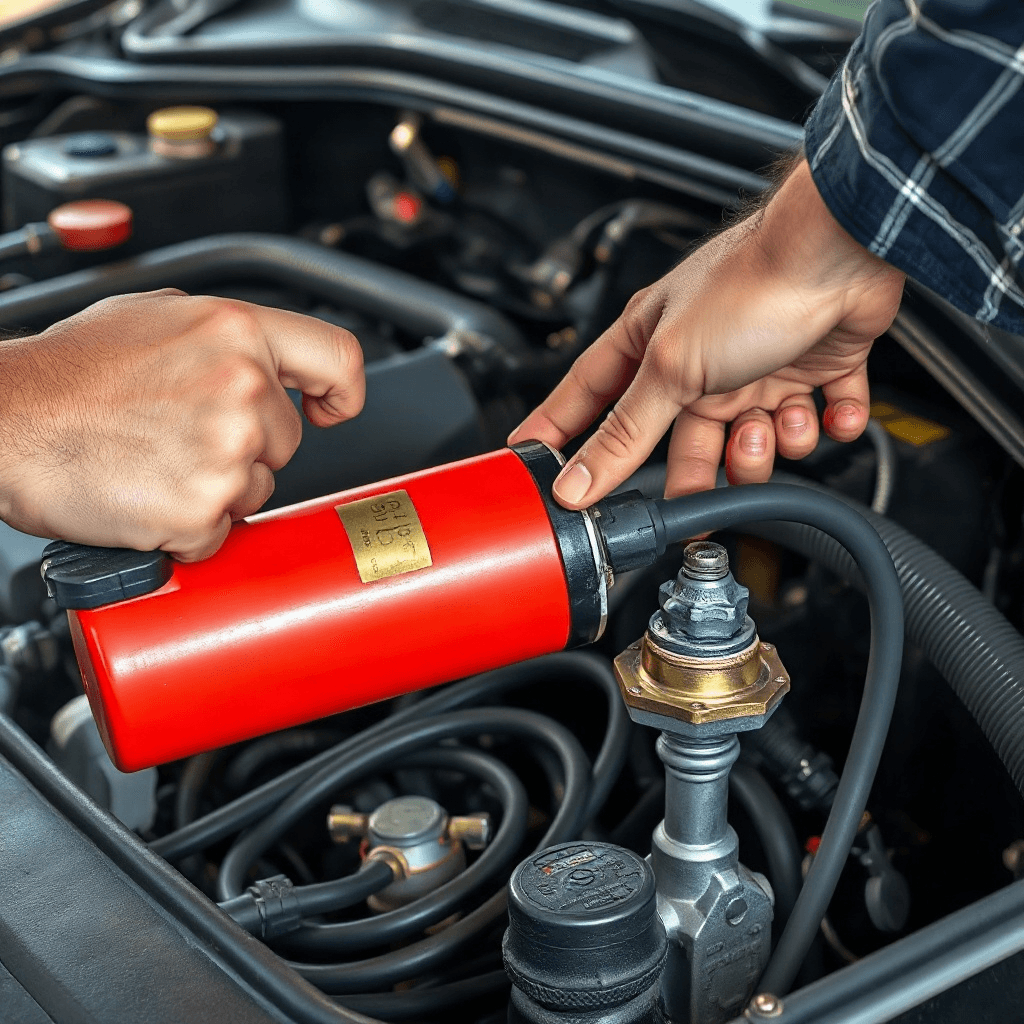
Testing an EVAP purge valve with a hand vacuum pump is a crucial procedure to ensure the proper functioning of your vehicle’s evaporative emission control system. As a seasoned journalist and content editor with technical expertise, I find it essential to address this topic comprehensively. The EVAP system plays a vital role in capturing and recirculating fuel vapors, preventing them from escaping into the atmosphere. Understanding how to test the purge valve is not just vital for vehicle maintenance but also for environmental protection. This guide will walk you through the process in six detailed sections, each focusing on a specific aspect of the test.
Understanding the EVAP System
The EVAP system, or Evaporative Emission Control System, is designed to prevent the release of fuel vapors from the fuel system into the atmosphere. This system captures these vapors and routes them back into the engine for combustion. The purge valve is a critical component of this system, responsible for controlling the flow of vapors from the charcoal canister to the engine intake manifold. A malfunctioning purge valve can lead to various issues, such as increased emissions or a check engine light. Understanding how this system operates provides the foundation for performing a successful test.
Gathering Essential Tools and Equipment
Before testing the EVAP purge valve, it’s imperative to gather the necessary tools and equipment. You’ll need a hand vacuum pump, which is specifically designed for automotive applications. This tool allows you to apply a vacuum to the valve and observe its response. In addition to the vacuum pump, a few other tools, such as pliers and a multimeter, may be required to disconnect electrical connectors and measure voltage, respectively. Ensuring you have all the necessary tools at your disposal will streamline the testing process and help you avoid unnecessary delays.
Preparing the Vehicle for Testing
Preparation is key to conducting an accurate test on the EVAP purge valve. Begin by ensuring the vehicle is parked on a level surface and that the engine is turned off. It’s advisable to disconnect the battery to prevent any inadvertent electrical issues during the process. Locate the purge valve, which is typically found near the engine’s intake manifold or along the fuel line. Consulting the vehicle’s service manual can provide specific details about the location and layout of the valve. Proper preparation will make the testing process more efficient and safer.
Conducting the Vacuum Test
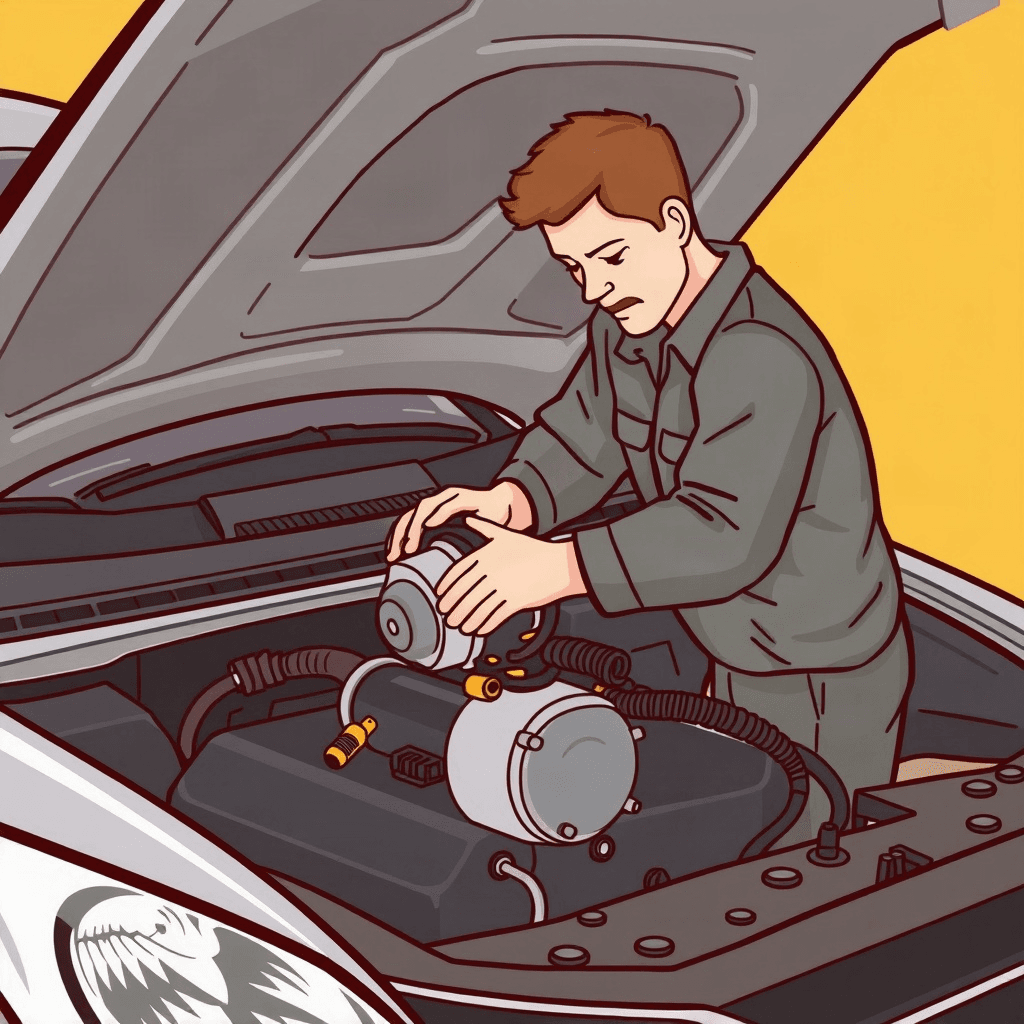
With the vehicle prepared and the necessary tools in hand, it’s time to conduct the vacuum test. Connect the hand vacuum pump to the purge valve. Begin by applying vacuum pressure and observe the valve’s response. A properly functioning valve should hold the vacuum without any leakage. If the valve fails to maintain the vacuum, it may be indicative of a malfunction. Additionally, listen for any unusual sounds, such as hissing, which can suggest leaks or internal damage. This step is crucial for diagnosing the health of the purge valve accurately.
Analyzing Test Results and Diagnosing Issues
After completing the vacuum test, analyze the results to diagnose potential issues. A valve that does not hold vacuum may require cleaning or replacement. In some cases, electrical issues, such as faulty wiring or connectors, can affect the valve’s operation. Use a multimeter to check for proper voltage and continuity in the electrical connections. Understanding the test results enables you to pinpoint the root cause of any problems and take appropriate corrective actions. Accurate diagnosis is essential for maintaining the integrity of the EVAP system and ensuring vehicle performance.
Implementing Solutions and Preventative Measures
Once the issues have been diagnosed, it’s time to implement solutions. If the purge valve is faulty, replacing it with a new one will restore the system’s functionality. Ensure that all connections are secure and that the valve is properly installed. As a preventative measure, regularly inspect the EVAP system components for wear and tear. Routine checks and maintenance can prevent future issues and enhance the overall efficiency of your vehicle’s emission control system. Taking proactive steps will not only ensure compliance with environmental regulations but also improve your vehicle’s longevity.
[Related topics can be explored further in our article on the importance of routine vehicle maintenance and emission testing.]