Mercedes-Benz P0103: Diagnose a High MAF Circuit Signal
When it comes to modern automotive diagnostics, understanding specific error codes is crucial for maintaining vehicle performance and reliability. The Mercedes-Benz P0103 code is one such diagnostic trouble code (DTC) that often perplexes vehicle owners and technicians alike. This code indicates a high input signal from the Mass Air Flow (MAF) sensor circuit, a critical component responsible for ensuring the optimal air-to-fuel ratio in your engine. Addressing this issue promptly is vital because an imbalanced air-to-fuel mixture can lead to poor engine performance, increased emissions, and even potential engine damage. In this article, we will delve into the intricacies of diagnosing and resolving a high MAF circuit signal in Mercedes-Benz vehicles, providing a comprehensive guide for enthusiasts and professionals.
Understanding the Role of the MAF Sensor
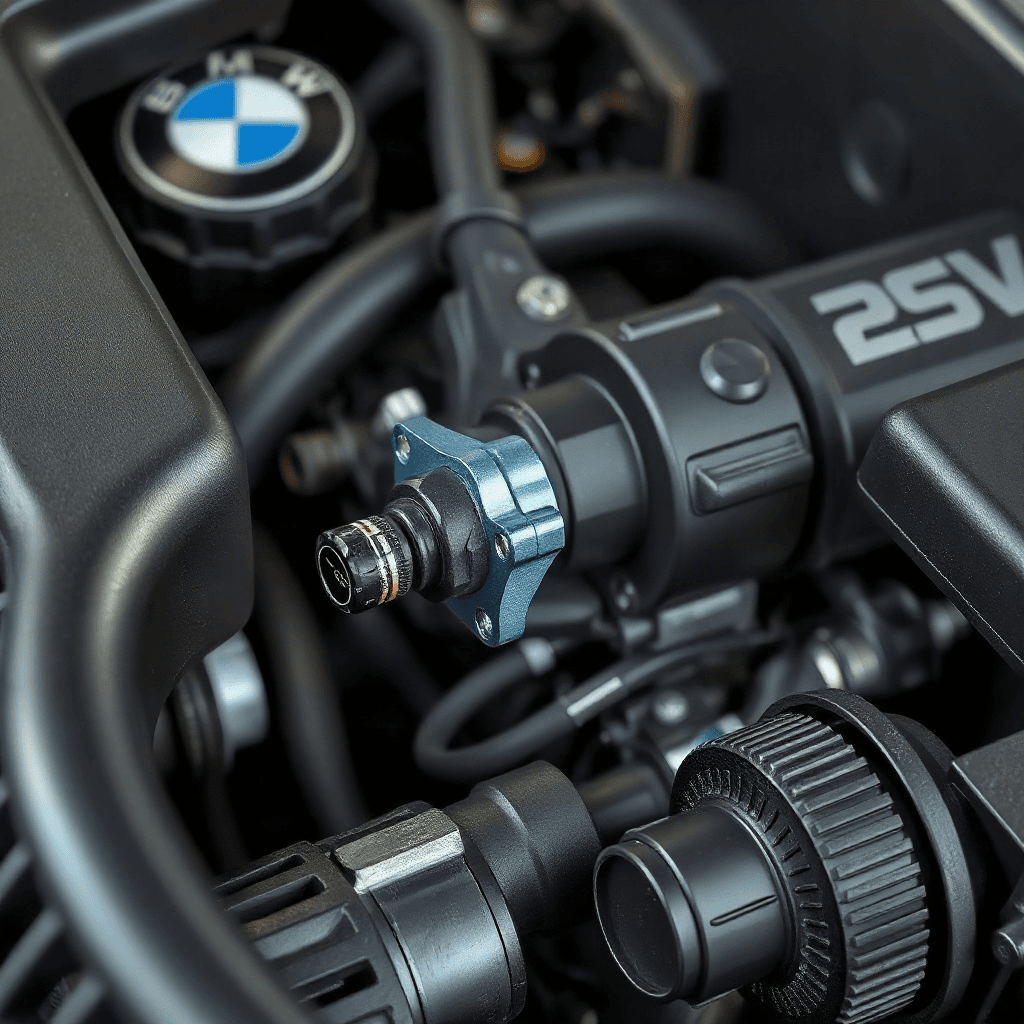
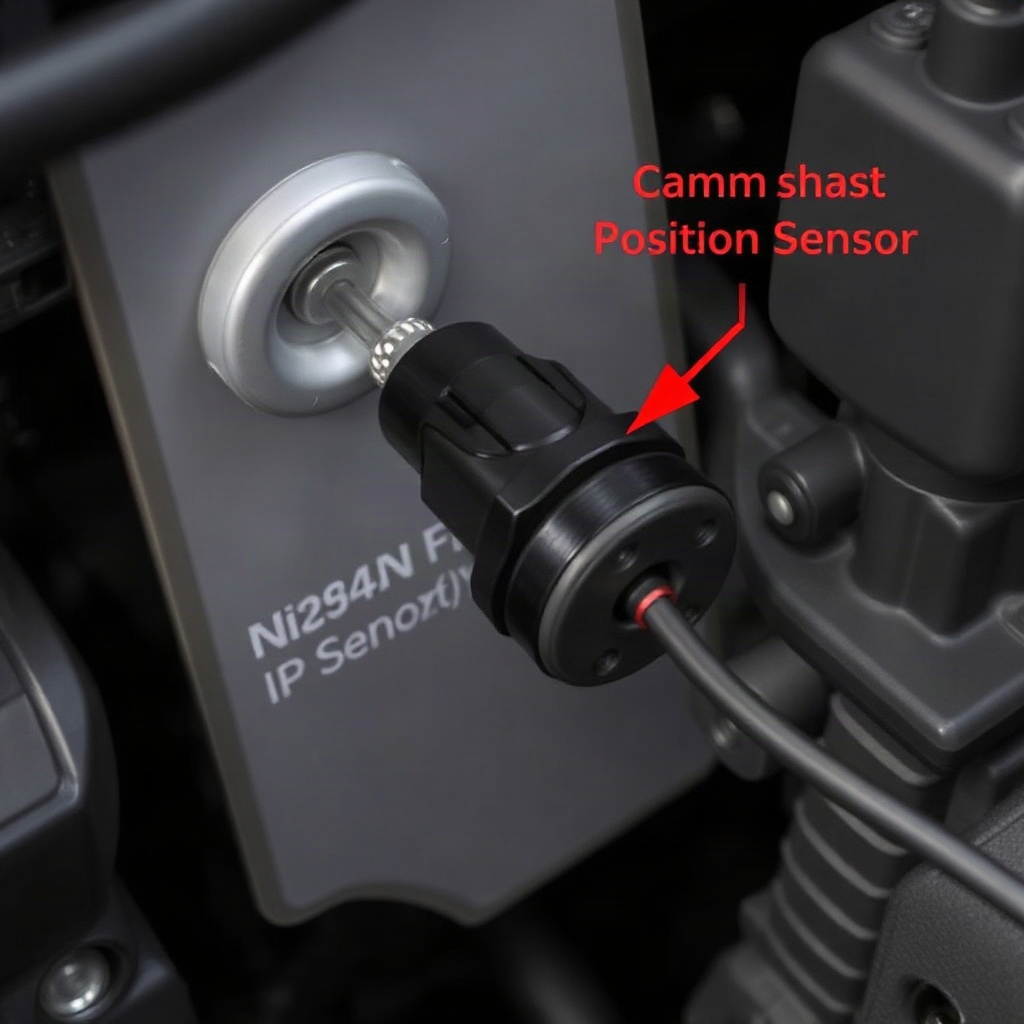
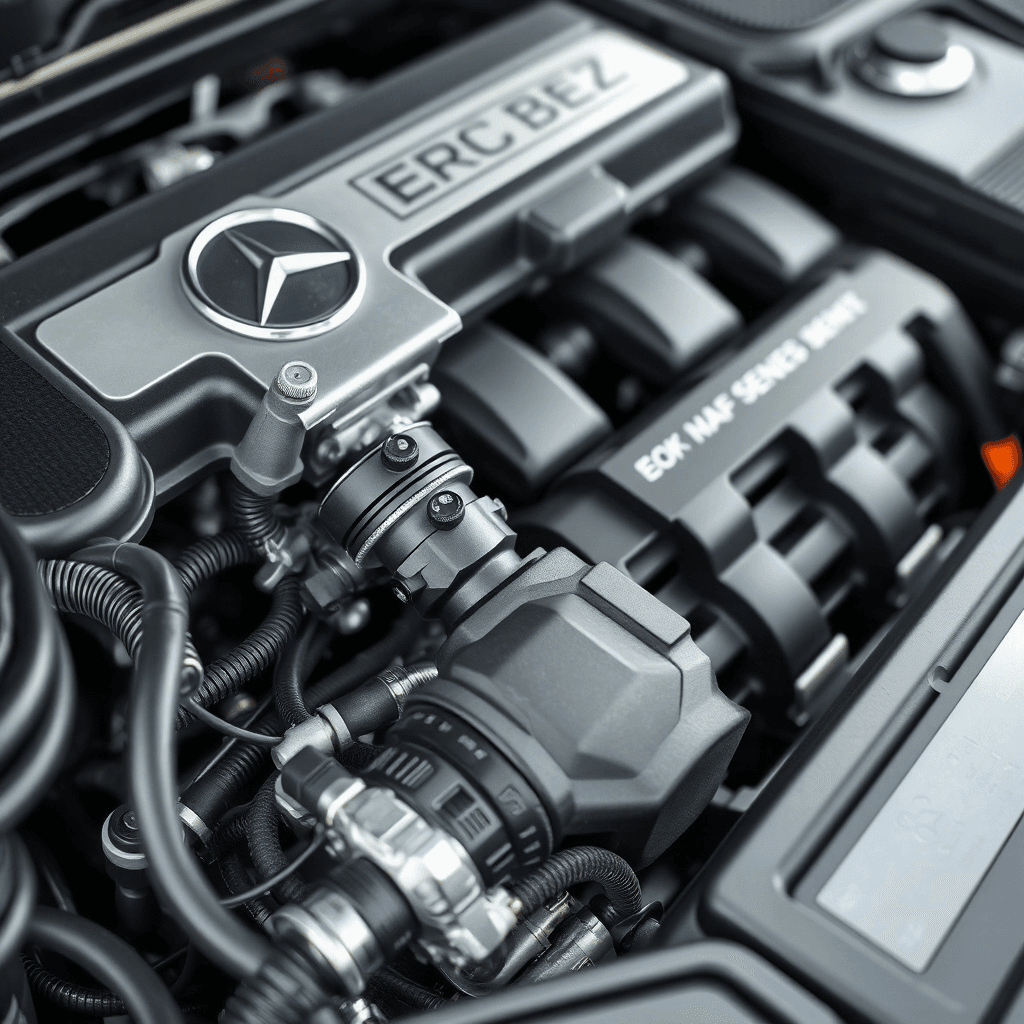
The Mass Air Flow (MAF) sensor is an essential component in the engine’s air intake system, measuring the amount of air entering the engine. This data is crucial for the engine control unit (ECU) to calculate the appropriate amount of fuel to inject, ensuring optimal combustion and performance. In Mercedes-Benz vehicles, the MAF sensor’s precision is paramount, as any deviation can disrupt the air-fuel mixture, leading to inefficiencies. The sensor typically uses a hot wire or film element that changes resistance as air flows over it. The ECU monitors these changes to determine the airflow rate. A malfunctioning MAF sensor can result in inaccurate data, triggering the P0103 error code and potentially causing drivability issues such as rough idling, stalling, or reduced power output.
Identifying Symptoms of a Faulty MAF Sensor
Recognizing the symptoms of a faulty MAF sensor is the first step toward diagnosing the P0103 error code. Common indicators include a noticeable decrease in fuel efficiency, as the engine may run rich or lean due to incorrect air-fuel ratios. Drivers may also experience rough idling or stalling, particularly when the vehicle is at a stop or during acceleration. Another telltale sign is an illuminated check engine light, which should prompt immediate attention. Moreover, the vehicle may exhibit poor acceleration and reduced overall performance. These symptoms highlight the importance of addressing MAF sensor issues promptly to prevent further complications and ensure optimal engine health.
Diagnosing the P0103 Code
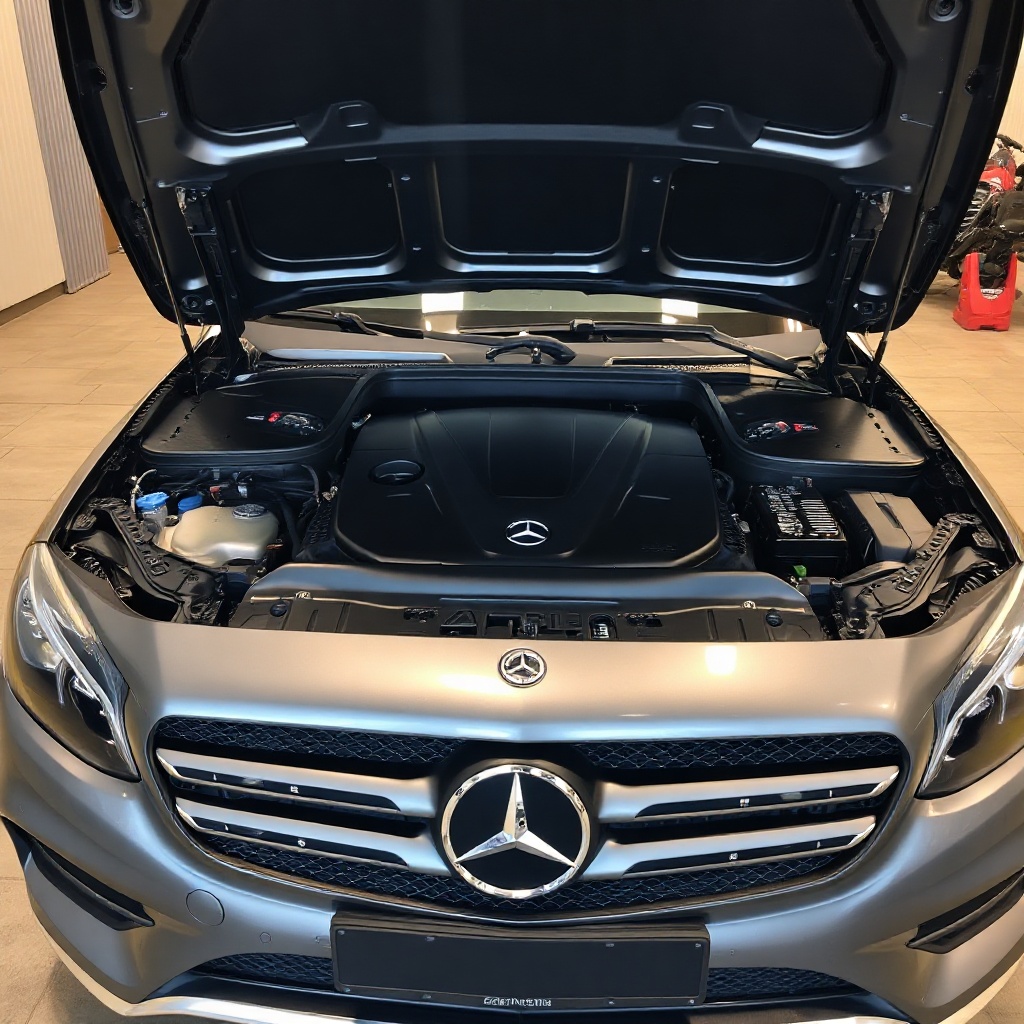
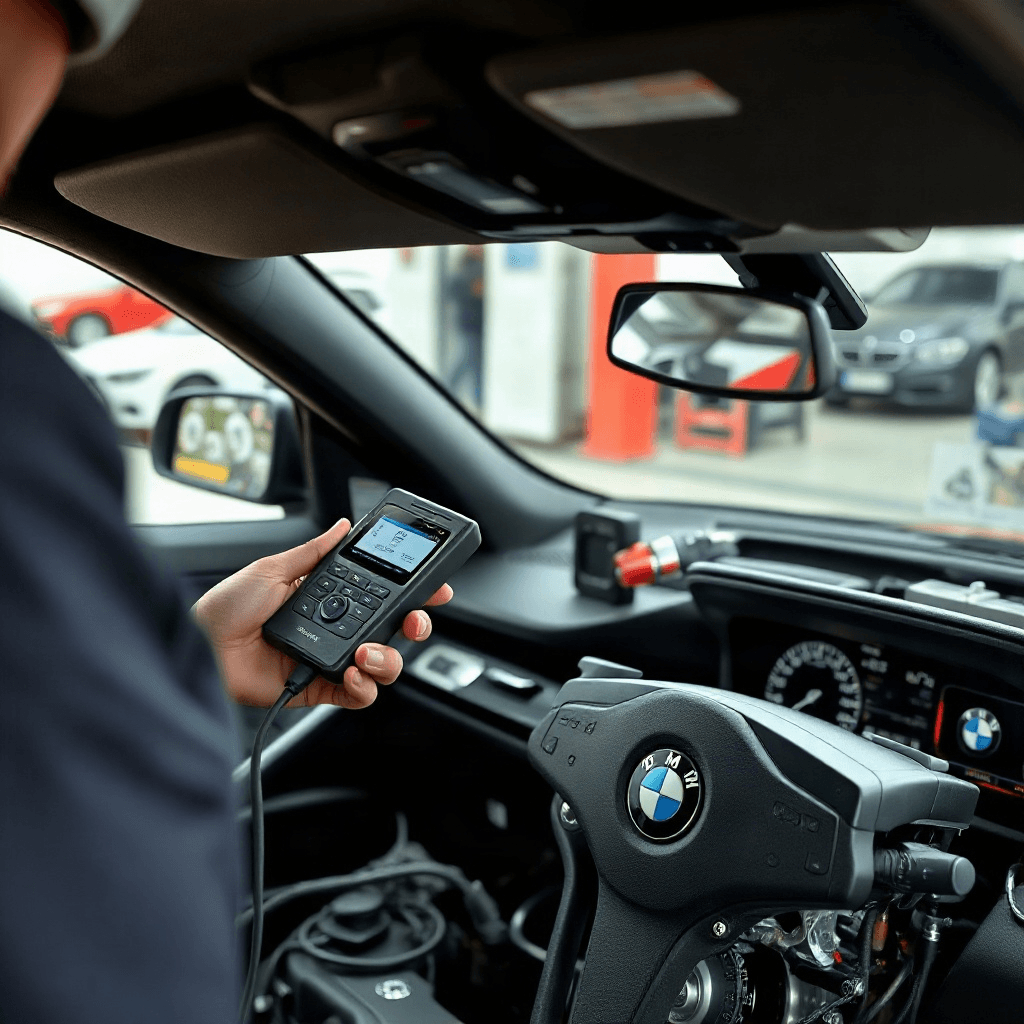
Diagnosing the P0103 code involves a systematic approach to confirm the root cause of the high input signal. First and foremost, using an OBD-II scanner to retrieve and analyze the DTC is essential. Additionally, inspecting the MAF sensor and its electrical connections for any signs of damage, corrosion, or disconnection is crucial. It’s also advisable to check the air filter for blockages, as a clogged filter can restrict airflow and affect sensor readings. In some cases, the issue may stem from a vacuum leak or an exhaust gas recirculation (EGR) system malfunction, both of which can alter the air intake dynamics. A thorough examination of these components will provide a clearer picture and help isolate the fault.
Addressing and Resolving the Issue
Once the diagnosis is complete, addressing the P0103 error code involves either cleaning or replacing the MAF sensor. If the sensor is merely dirty, using a specialized MAF sensor cleaner can restore its accuracy. However, if the sensor is damaged or faulty, replacement is the best course of action. Ensuring that all related components, such as the air filter and intake ducts, are in good condition is also vital to prevent recurrence. Additionally, after replacing the sensor or making any repairs, it’s important to clear the error codes using an OBD-II scanner and conduct a test drive to confirm the issue is resolved. Regular maintenance and periodic inspections can prevent future occurrences of MAF sensor-related problems.
Preventive Measures for Future Protection
Implementing preventive measures can significantly reduce the likelihood of encountering the P0103 error code again. Regularly replacing the air filter according to the manufacturer’s recommendations ensures unrestricted airflow to the engine. Additionally, periodic cleaning of the MAF sensor, especially in dusty or polluted environments, can maintain its accuracy. Monitoring fuel quality and avoiding contaminated fuel can also prevent deposits that might affect sensor performance. Moreover, staying vigilant for any minor changes in vehicle performance can help in early detection of potential issues. By adopting these practices, Mercedes-Benz owners can ensure the longevity and efficiency of their vehicles while minimizing the risk of unexpected faults.
Conclusion and Further Resources
In conclusion, the Mercedes-Benz P0103 code, indicating a high MAF circuit signal, is a critical diagnostic trouble code that requires prompt attention. Understanding the role of the MAF sensor, recognizing the symptoms of failure, and employing a systematic diagnostic approach are key steps in resolving the issue. By addressing the root cause and implementing preventive measures, vehicle owners can maintain optimal engine performance and reliability. For those seeking further information on related diagnostic procedures, [explore this comprehensive guide] to delve deeper into Mercedes-Benz repair strategies and best practices.