BMW OBD-II Diagnosis: Match a Powertrain Fault to the Correct Control Module
In the world of automotive technology, the ability to diagnose and address powertrain faults accurately is crucial for maintaining vehicle performance and safety. BMW, a leading luxury automobile manufacturer, employs advanced On-Board Diagnostics (OBD-II) systems that enable technicians and car enthusiasts alike to identify and rectify issues efficiently. This article delves into the nuances of BMW’s OBD-II diagnostic system, focusing on how to match a powertrain fault to the correct control module, an essential skill for ensuring optimal vehicle operation.
Understanding BMWs OBD-II System
BMW’s OBD-II system is an integral part of modern vehicle diagnostics, designed to monitor and report on various components of the car’s powertrain. It provides a standardized interface for accessing and interpreting fault codes that indicate the health and performance of the vehicle’s engine and transmission systems. The OBD-II system is equipped with a range of sensors and control modules that work in tandem to deliver precise diagnostic data. This system is not only vital for professional technicians but also invaluable for DIY enthusiasts who wish to maintain their vehicles effectively. By leveraging this sophisticated technology, one can quickly pinpoint issues, reducing the time and cost associated with traditional diagnostic methods.
The Role of Control Modules in Diagnosis
Control modules are the brain centers of modern vehicles, responsible for managing various functions through electronic signals. In BMWs, these modules include the Engine Control Module (ECM), Transmission Control Module (TCM), and others that oversee specific vehicle operations. Each module monitors inputs from sensors and adjusts outputs to ensure the car runs smoothly. When a powertrain fault is detected, the relevant control module logs the fault code within the OBD-II system, enabling technicians to trace the problem back to its source. Understanding the function and interconnection of these modules is crucial for accurately diagnosing issues and ensuring the longevity of the vehicle.
Interpreting BMW OBD-II Fault Codes
Interpreting fault codes is a critical skill in the diagnostic process, as these codes provide detailed insights into the vehicle’s operational issues. BMW’s OBD-II system uses a set of standardized diagnostic trouble codes (DTCs) that correspond to specific malfunctions. These codes are typically alphanumeric, with the first character indicating the type of system affected, such as the powertrain or body control. By understanding the structure and meaning of these codes, technicians can quickly determine the nature of the fault and the corresponding control module. This knowledge is essential for developing an effective repair strategy and ensuring the vehicle’s reliability.
Strategies for Matching Faults to Control Modules
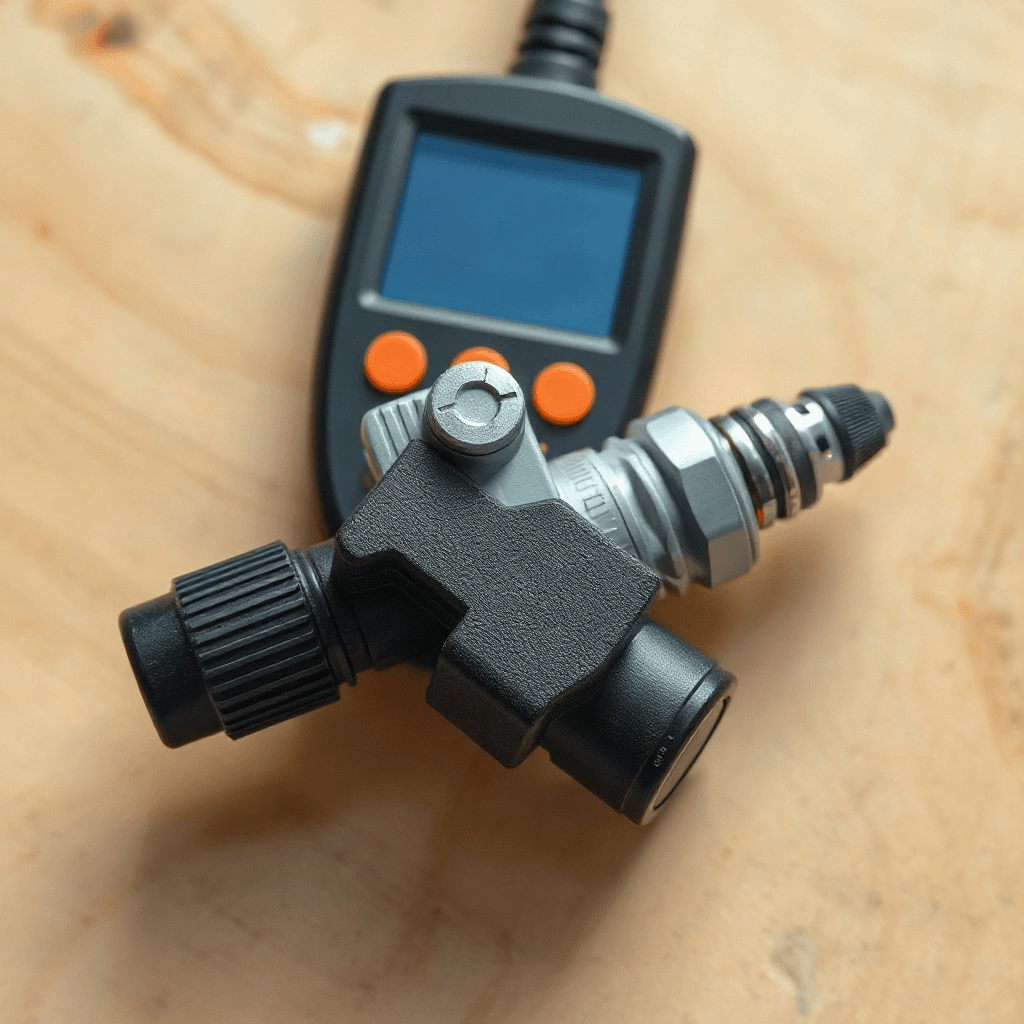
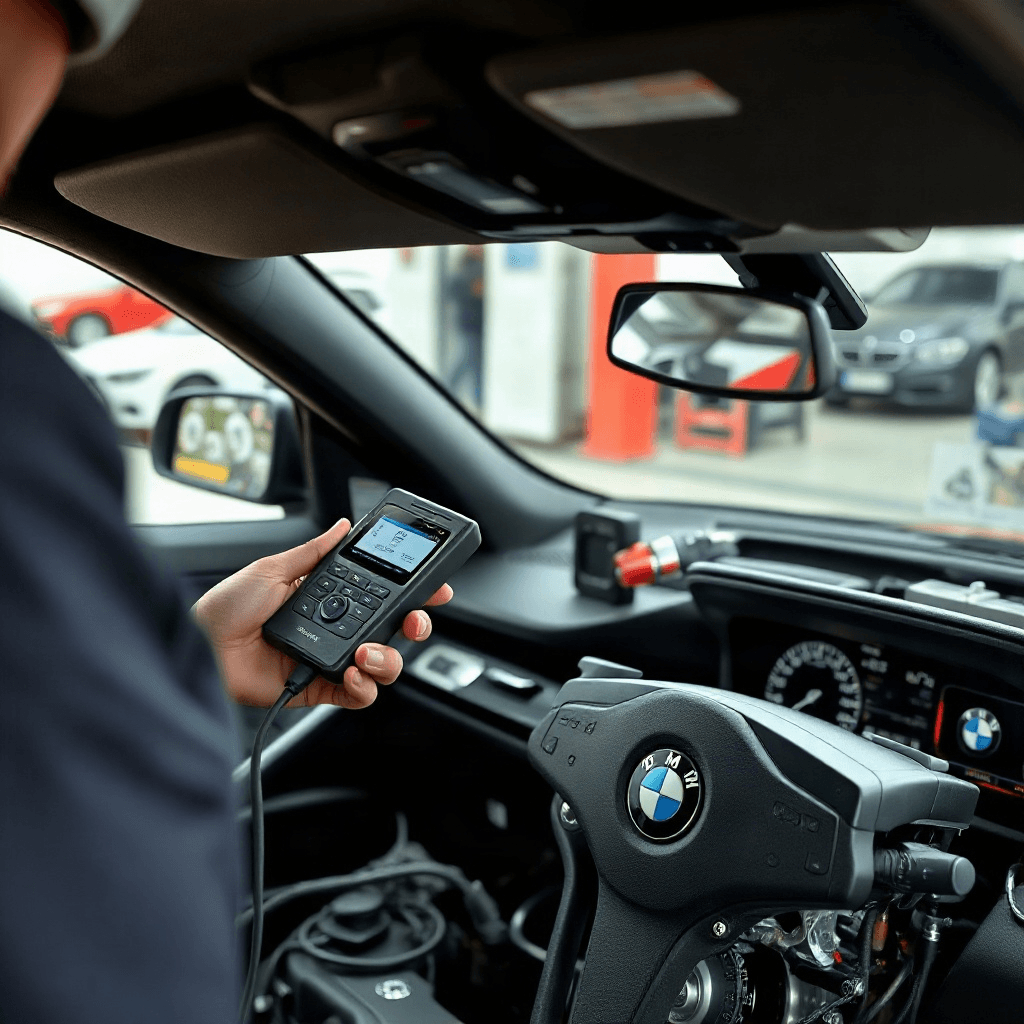
To effectively match a powertrain fault to the correct control module, a systematic approach is necessary. Begin by retrieving the fault codes using an appropriate OBD-II scanner, which will display any codes related to the vehicle’s current issues. Next, consult the vehicle’s service manual or an online database to interpret these codes and identify the relevant control module. Consider any symptoms the vehicle is exhibiting, as these can provide additional clues about the source of the problem. By combining this information, a clear picture of the fault’s origin can be formed, allowing for targeted repairs and minimizing unnecessary component replacements.
Common Powertrain Faults and Solutions
Several common powertrain faults can occur in BMW vehicles, each requiring specific diagnostic and repair approaches. Issues such as misfiring cylinders, transmission slippage, or faulty oxygen sensors are frequently encountered and can often be traced back to specific control modules. For instance, a misfire fault may be logged by the ECM, while transmission issues would be recorded by the TCM. By accurately identifying the fault code and associated control module, technicians can implement the appropriate corrective measures, whether that involves replacing a sensor, recalibrating the module, or performing more extensive repairs.
The Importance of Regular Diagnostics
Regular diagnostics and maintenance are crucial for preventing powertrain issues and ensuring a BMW vehicle’s longevity. By routinely scanning the OBD-II system, potential problems can be detected early, saving time and money on repairs. Additionally, staying informed about the latest diagnostic techniques and software updates is essential for keeping up with advances in automotive technology. For both professionals and enthusiasts, understanding BMW’s OBD-II system and its control modules is key to maintaining a vehicle’s performance and reliability over time.