P0715 Code: Input/Turbine Speed Sensor Circuit Malfunction
The world of automotive engineering is vast and intricate, where every component plays a crucial role in the seamless operation of a vehicle. Among these components, the input/turbine speed sensor often remains in the shadows, yet it is vital for the transmission system. This sensor’s failure is signaled by the P0715 code, a diagnostic trouble code (DTC) that indicates a malfunction in the circuit. Understanding this code requires not only technical knowledge but also an appreciation for the delicate dance between mechanics and electronics that powers modern vehicles. In this narrative, we delve into the nuances of the P0715 code, exploring its implications and resolutions.
Understanding the InputTurbine Speed Sensor
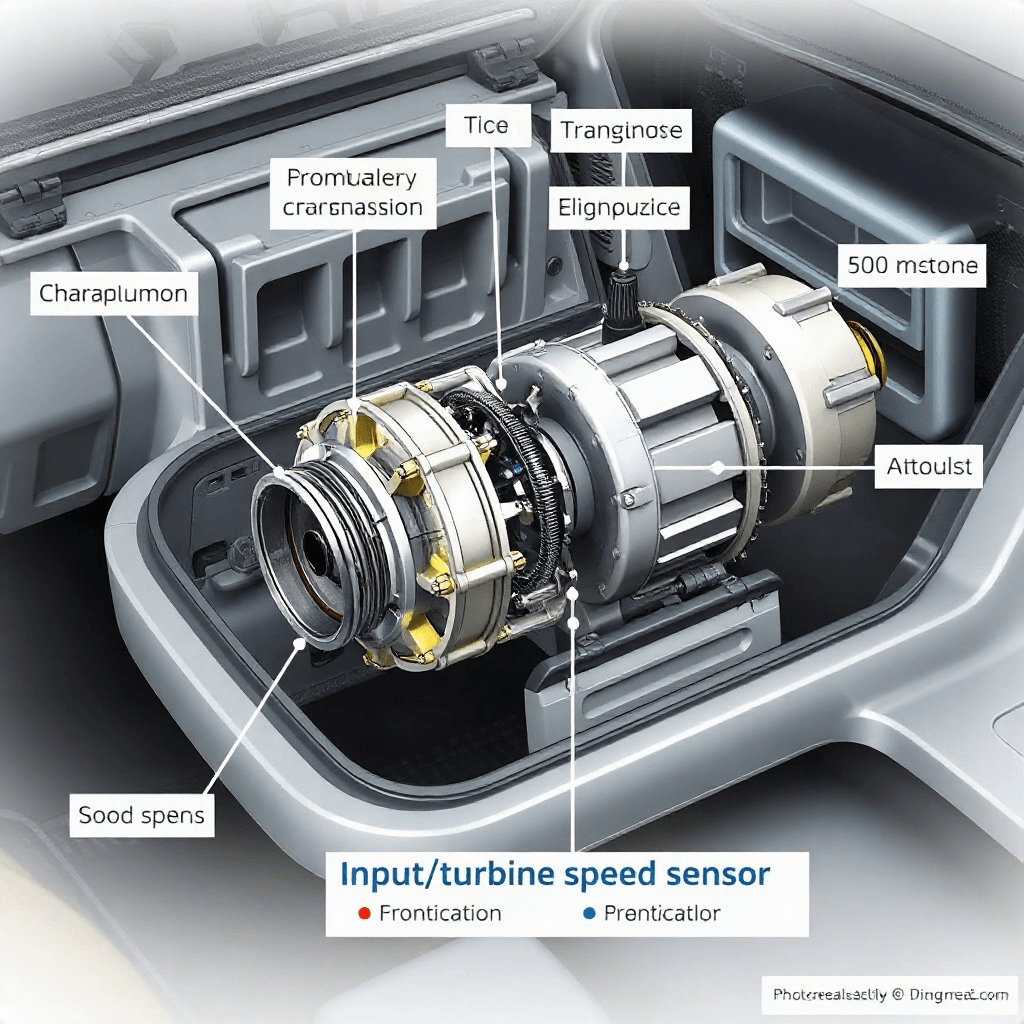
The input/turbine speed sensor is a critical component of the vehicle’s transmission system. Its primary function is to monitor the rotational speed of the input shaft. This data is then sent to the engine control module (ECM), which uses it to determine the optimal gear shift timing and maintain fuel efficiency. When the sensor is functioning correctly, it ensures that the transmission operates smoothly. However, when the sensor malfunctions, it triggers the P0715 code, leading to a series of complications that can affect the overall performance of the vehicle.
The Significance of the P0715 Code
The appearance of the P0715 code is more than just a small hiccup in the vehicle’s operation. It serves as a warning sign that the input/turbine speed sensor circuit is not functioning as it should. This malfunction can result in erratic transmission behavior, poor fuel economy, and increased emissions. For drivers, this translates to a potential loss of power, difficulty in shifting gears, and an overall decline in vehicle performance. The code acts as a digital cry for help, urging immediate attention to prevent further damage.
Diagnosing the Circuit Malfunction
Diagnosing a P0715 code involves a systematic approach, employing both digital scanners and manual inspections. Technicians begin by using an OBD-II scanner to confirm the presence of the code and gather additional data from the vehicle’s ECM. Following this, they conduct a visual inspection of the wiring and connectors associated with the input/turbine speed sensor. Any signs of wear, corrosion, or damage can point to the source of the malfunction. Additionally, technicians may measure the resistance in the sensor circuit to ensure it falls within the manufacturer’s specifications.
Remedies and Resolutions
Resolving a P0715 code requires addressing the underlying cause of the sensor malfunction. This might involve replacing damaged wiring or connectors, recalibrating the ECM, or, in some cases, replacing the speed sensor itself. Each solution demands precision and expertise, as even minor errors can lead to further complications. Once repairs are completed, a test drive and a subsequent scan are essential to ensure the code does not reappear. This meticulous process underscores the importance of professional intervention in diagnosing and resolving circuit malfunctions.
Preventive Measures and Maintenance
Preventing a recurrence of the P0715 code involves a combination of regular vehicle maintenance and attentive driving habits. Routine inspections of the transmission system and its components can help identify potential issues before they escalate. Moreover, adhering to the manufacturer’s recommended service intervals ensures that the vehicle remains in optimal condition. Drivers can also play a part by avoiding aggressive driving, which can place undue stress on the transmission system and its sensors. Such preventive measures not only prolong the lifespan of the vehicle but also enhance its overall performance.
The Broader Impact of Sensor Failures
Sensor failures like the P0715 code have implications that extend beyond the individual vehicle. In the broader context of automotive technology, they highlight the increasing reliance on electronic components and the challenges that come with this dependency. As vehicles become more advanced, the integration of sensors and electronic systems will continue to grow, necessitating ongoing education and adaptation for technicians and drivers alike. Understanding and addressing sensor malfunctions is, therefore, a crucial aspect of modern vehicle maintenance and a testament to the evolving nature of automotive engineering.